
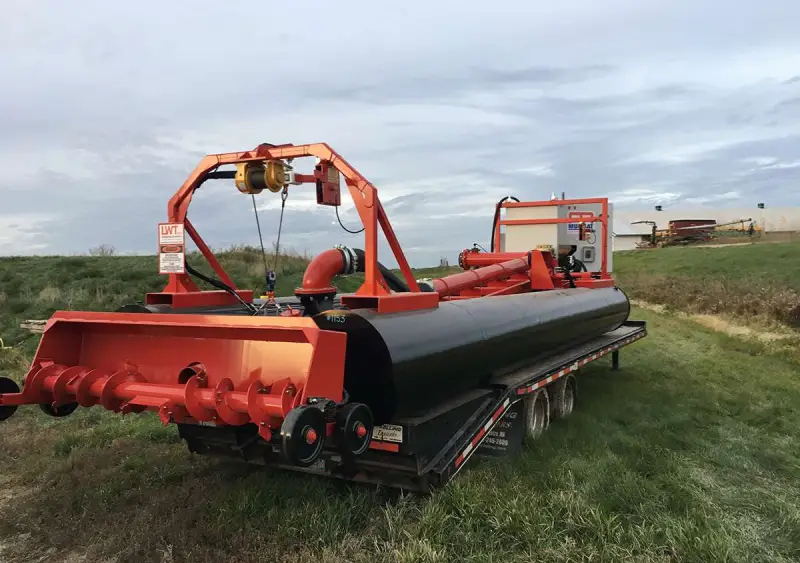
Several companies are now deploying fleets of fully autonomous mining dredges that require minimal human intervention. These fleets are powered by AI-driven systems, allowing for real-time mapping, sediment tracking, and optimized extraction. This innovation is reshaping how the mining industry approaches underwater resource recovery.
Innovation Hubs In Europe And Australia
Automated dredge advancements are heavily concentrated in tech-forward regions such as the Netherlands and Western Australia. These locations have fostered engineering firms and universities collaborating to push boundaries in sustainable and automated mining practices, positioning them as global leaders in dredging robotics.
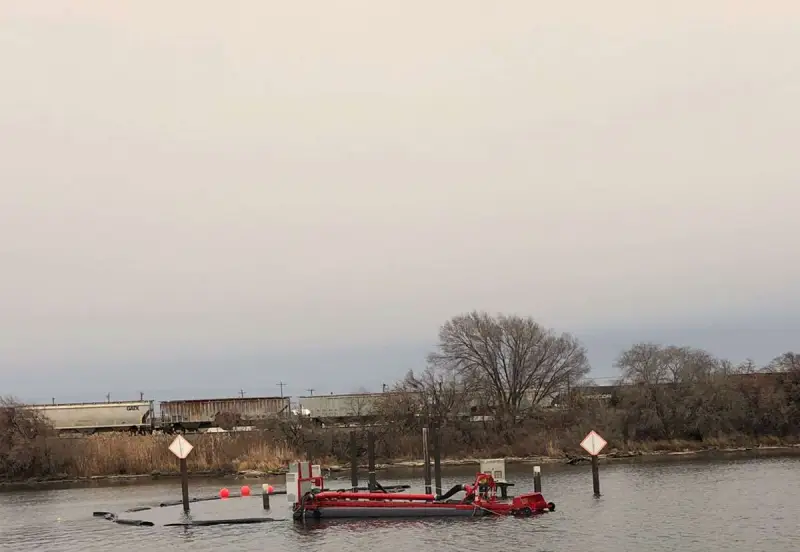
The Rise Of AI-Controlled Submersible Units
AI is enabling underwater robotic dredges to adapt to terrain and react to environmental changes in real time. This capability dramatically improves efficiency and precision in resource extraction. Companies leading this trend are integrating machine learning into both navigation and extraction systems to stay competitive.
Battery-Powered Mining Robots Are Gaining Ground
As environmental concerns grow, robotic dredge manufacturers are shifting toward electric or hybrid power solutions. These cleaner-energy machines help reduce emissions while maintaining operational strength. Leaders in this space are offering battery-swapping systems that extend run times without increasing environmental footprints.
North American Firms Investing In Smart Dredging
Major mining equipment suppliers in North America are now incorporating robotic dredge solutions into their fleets. These firms are not only designing machinery but also providing smart dredging software that integrates with fleet management systems to enhance monitoring, tracking, and performance analysis.
Focus On Deep Water Resource Recovery
Some companies are focusing specifically on deep-sea mining using robotic dredges capable of operating at extreme depths. These machines are designed to withstand pressure while collecting valuable resources such as rare earth elements, which are increasingly important in tech manufacturing and green energy solutions.
Open-Source Tech Changing The Game
Innovators are beginning to share modular robotic dredge components and software under open-source licenses. This approach is accelerating development and encouraging small and mid-sized companies to experiment with affordable automation. The democratization of robotic mining technology is expanding who gets to lead in this space.
Real-Time Analytics And Remote Supervision
The ability to remotely operate and monitor robotic dredges through satellite connections and real-time analytics is becoming a major selling point. Companies that offer integrated dashboards and predictive maintenance tools are leading the way by enhancing safety and uptime across mining operations.
Collaborations With Oceanography Institutes
A few standout leaders are partnering with marine science institutions to develop more environmentally conscious dredging robots. These collaborations help balance profit with preservation, using data to avoid sensitive habitats while maintaining high efficiency in mining activities.
Exporting Robotic Mining Tech To Emerging Markets
Leading robotic dredge developers are expanding into markets like Southeast Asia and Africa, offering turnkey solutions to developing economies. These exported technologies bring efficient, low-labor extraction methods to regions with growing industrial needs, positioning these companies as global solution providers.
Conclusion
The race to lead in robotic mining dredges is global, tech-driven, and rapidly evolving. From AI control systems to sustainable energy solutions, companies at the forefront are redefining underwater mining. Their innovations promise not only greater efficiency but also a more responsible approach to natural resource extraction.

