

Online mental health counseling proves especially effective for individuals dealing with anxiety and depression, particularly when symptoms make it difficult to leave the house or attend in-person appointments. The comfort and privacy of home allow clients to feel safer and more open. Remote therapy reduces the stress of commuting, minimizes social anxiety triggers, and supports better engagement over time. Therapists can also use flexible digital tools, like journaling apps or video check-ins, to reinforce progress. With fewer obstacles to showing up, clients are more likely to stick with treatment and benefit from consistent support in their healing journey.
Offering Consistent Support for Remote Clients
For those living in rural, underserved, or isolated areas, or those who frequently travel for work, Mental health counseling online creates a crucial bridge to professional help. Instead of being limited by location or clinic availability, clients can access licensed therapists from anywhere. This is particularly useful for expats, digital nomads, or people in communities without mental health specialists. Consistent access to care—regardless of geography—ensures continuity in treatment and reduces gaps that can hinder recovery. Online platforms also offer multilingual and culturally aware therapists, improving access for diverse populations who may struggle to find appropriate support locally.
Providing Flexibility for Busy Schedules
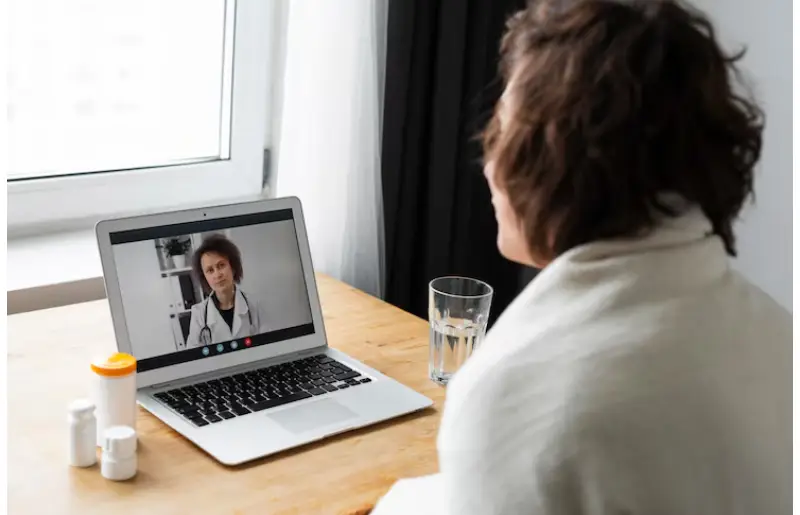
One of the strongest advantages of online counseling is flexibility. Clients with demanding work hours, caregiving responsibilities, or busy lifestyles often find it difficult to attend in-person sessions during standard hours. Online therapy allows them to book early-morning, evening, or weekend appointments from their phone or computer. This adaptability removes a major barrier to consistent care and encourages people to prioritize mental health even with limited availability. Many platforms also offer asynchronous support options, like messaging therapists or submitting session reflections, which keeps therapy effective even outside scheduled video calls.
Supporting Youth and College Students
Teenagers and college students are particularly comfortable in digital environments, which makes online counseling a natural fit. With academic stress, peer pressure, and social challenges on the rise, many young people need mental health support but feel intimidated by traditional settings. Online therapy reduces stigma and increases the likelihood of early intervention. Students can attend sessions between classes or from dorm rooms, helping them manage stress, transitions, and identity concerns more effectively. It also allows parents and guardians to stay involved in younger teens’ care when appropriate, fostering collaboration between home and therapist.
Managing Chronic Stress or Burnout
Professionals, caregivers, and others suffering from long-term stress or burnout can benefit from the immediate and accessible nature of online counseling. The option to speak to a licensed therapist from the comfort of one’s own home can be deeply restorative, especially when daily responsibilities feel overwhelming. Online therapy fits into tight schedules and avoids the fatigue of commuting, which is especially useful when energy levels are low. Many therapists offer targeted strategies for managing stress, such as mindfulness training or cognitive behavioral tools, through virtual platforms that clients can integrate easily into their day-to-day life.
Enhancing Access for Individuals with Physical Limitations
People with mobility challenges or chronic physical health conditions often face additional obstacles when trying to access traditional counseling. Online sessions eliminate the need for travel, waiting rooms, or physical discomfort during visits. Therapy becomes more accessible and less taxing, allowing individuals to focus on emotional well-being rather than logistical barriers. This form of counseling is also adaptable to the use of assistive technology and tailored communication methods. As a result, people with disabilities are empowered to receive the same high-quality mental health care as those who can attend in-person sessions with ease.
Supporting Mental Health During Life Transitions
Major life changes—such as divorce, relocation, job loss, or bereavement—can trigger emotional upheaval that requires professional support. Online therapy provides immediate access during these critical moments when time and stability are limited. Clients can seek guidance without disrupting their routines further, and therapists can offer tools to process emotions, develop coping strategies, and adapt to new circumstances. The convenience and privacy of online platforms make it easier to prioritize mental health even in the midst of personal or professional chaos. Continued access to support during transitions helps people find resilience and clarity.
Reducing Stigma in Conservative Communities
In communities where seeking therapy is still stigmatized, online counseling offers a discreet and judgment-free alternative. Clients can receive support without fear of being seen entering a clinic or facing questions from neighbors or family members. The privacy of remote therapy allows individuals to explore their feelings and concerns in a safe, confidential space. This is particularly helpful in conservative cultures or small towns where mental health conversations are less normalized. Over time, virtual access helps build trust in the therapeutic process and encourages more people to seek the help they need without shame or fear.
Offering Culturally Diverse Therapist Options
Clients often prefer therapists who understand their cultural background, language, or values. Online platforms make it easier to find therapists who match those needs, especially for individuals in locations where local practitioners lack that representation. Whether someone is seeking therapy in their native language or someone who shares their religious or cultural framework, online counseling broadens access to culturally competent care. This alignment builds trust and understanding, improving therapy outcomes. For international or migrant populations, it creates a much-needed space where identity and mental health can be addressed holistically.
Complementing Traditional In-Person Therapy
Some individuals benefit from a blended approach that includes both online and occasional in-person sessions. This hybrid model is ideal for clients who need flexibility but also want face-to-face interaction at certain stages of treatment. Online therapy can fill gaps between office visits, maintain continuity during travel, or provide follow-up care post-discharge. Therapists may also use virtual tools like mood tracking apps, video journals, or worksheets that enhance engagement. By combining both methods, clients can personalize their healing journey and stay more connected to their therapist through life’s fluctuations.
Conclusion
Online mental health counseling is most effective when it removes barriers to care—whether due to geography, time, stigma, or physical limitations. Its flexibility, privacy, and adaptability make it a powerful tool for a wide range of individuals, from students to seniors. As long as therapy is personalized and the client feels supported, online platforms can offer the same depth, trust, and progress as in-person sessions. The key lies in matching the right approach to the individual’s unique needs.

