
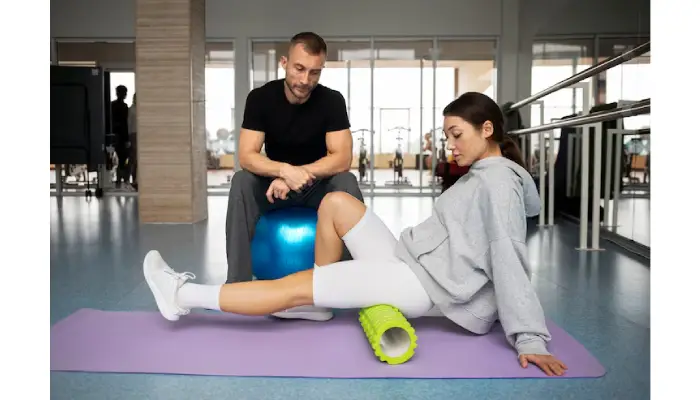
A sports therapy session usually starts with a thorough assessment, where the therapist gathers medical history and checks pain levels. They evaluate joint mobility, muscle strength, posture, and may analyze movement or gait to find any dysfunctions. After this, treatment goals are set together, focusing on pain relief or improving performance. The hands-on part often includes massage and joint mobilization to ease stiffness and improve circulation. Various treatments, like heat or cold therapy, might be applied as well. Exercises for strength, flexibility, and balance follow the next steps to aid recovery. Lastly, education on injury care is given along with progress monitoring for adjustments needed in future sessions.
Initial Assessment and Evaluation of Injury and Movement
The first part of a Burlington sports therapy session involves a thorough assessment to understand the athlete’s condition. The therapist begins by gathering a detailed medical and injury history, including any past injuries and treatments, to get a full picture of the athlete’s health background. They will ask about current symptoms, such as where the pain is located, how intense it feels, and what movements or activities trigger it. Next, the therapist evaluates the joint range of motion to spot any stiffness or limitations that could affect recovery. Muscle strength is tested in key areas related to the injury or sport to identify weaknesses. Flexibility is assessed to find muscles that may be tight or shortened, which can influence movement patterns. Posture is observed to detect any imbalances or alignment issues that might contribute to the problem. Functional movement screening, which can include simple exercises like squats or lunges, is used to reveal faulty movement mechanics. If the injury affects walking or running, a gait analysis may be performed to identify abnormalities. Balance and proprioception are also checked to assess how well the nervous system controls movement. All these findings are then summarized to pinpoint the root causes of the injury or limitation, setting the foundation for creating an effective treatment plan.
- Collect detailed medical and injury history including previous injuries and treatments.
- Ask about current symptoms, pain location, intensity, and triggers.
- Evaluate joint range of motion to identify stiffness or limitations.
- Test muscle strength in key muscle groups related to the injury or sport.
- Assess flexibility to find tight or shortened muscles.
- Observe posture for imbalances or alignment issues that may affect movement.
- Perform functional movement screening such as squats or lunges to spot movement faults.
- Conduct gait analysis if walking or running abnormalities are suspected.
- Check balance and proprioception to assess neuromuscular control.
- Summarize findings to pinpoint root causes and prepare for treatment planning.
Setting Goals and Creating a Treatment Plan
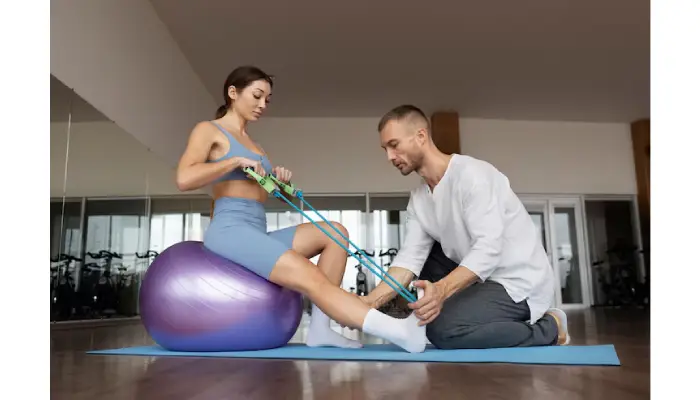
After the initial assessment, the therapist works closely with the athlete to set clear and realistic goals. These goals depend on what the athlete prioritizes, whether it’s relieving pain, restoring function, or boosting performance. Together, they establish short-term targets like increasing joint range of motion or reducing discomfort, as well as long-term aims such as regaining full strength or returning to competitive play. The therapist outlines a timeline for recovery that takes into account the injury’s severity and the athlete’s schedule, including training and competition demands. They decide how often sessions should occur and how long each will last, balancing effective treatment with the athlete’s availability. Specific treatment methods, like manual therapy techniques and exercise progression, are planned to match the goals and sport requirements. Injury prevention strategies are also integrated to lower the risk of setbacks. Communication is set up to track progress and make adjustments as needed, ensuring the plan stays flexible and realistic as healing advances. For example, a runner recovering from a hamstring strain might focus on pain management initially, followed by strength targets and gradual return to sprint drills timed around their race season.
Manual Therapy Techniques Used in Sessions
During a sports therapy session, manual therapy plays a key role in addressing muscle and joint issues that affect performance and recovery. Therapists often use soft tissue massage to ease muscle tightness and boost blood flow, which helps muscles relax and heal faster. Joint mobilization is applied to improve joint movement and reduce stiffness, especially when an injury limits mobility. Muscle manipulation targets trigger points, those tight, painful spots within muscles, to release tension and alleviate pain. Stretching techniques are incorporated to lengthen muscles that have become shortened from injury or overuse, helping restore flexibility. For deeper, more chronic muscle tension, deep tissue techniques are employed to work through layers of muscle and connective tissue. Therapy is tailored to focus on specific muscle groups affected by the injury or repetitive strain, ensuring targeted relief. When swelling is present, manual lymphatic drainage may be used to encourage fluid movement and reduce edema. Therapists adjust pressure and methods based on the athlete’s pain tolerance to maintain comfort and cooperation throughout the session. These manual techniques are often combined with other treatments to support tissue healing and overall recovery. Clear explanations of each technique are provided so the athlete understands what to expect, fostering trust and active participation in the healing process.
Use of Heat, Cold, and Electrical Therapies
During a sports therapy session, various physical modalities are used to support healing and manage pain efficiently. Heat therapy is commonly applied before manual treatments to relax tight muscles and boost blood flow, making tissues more pliable and responsive. After hands-on work, cold therapy is often used to reduce inflammation and numb soreness, especially in acute injury stages. Electrical stimulation plays a key role in encouraging muscle contraction, which helps with healing and muscle re-education, particularly if weakness or muscle atrophy is present. Ultrasound therapy may also be used to promote deeper tissue repair within muscles and tendons by enhancing cellular activity. Supportive techniques like traction or taping are applied to stabilize joints and reduce strain during recovery. Therapists carefully tailor the type and duration of these modalities based on whether the injury is acute or chronic, sometimes combining them to maximize pain relief and functional improvement. Throughout, skin response is closely monitored to prevent burns or irritation, and therapists explain the benefits and sensations to the athlete beforehand to ensure comfort and understanding.
Exercise Routines for Strength and Flexibility
During a sports therapy session, exercise routines are carefully designed to target the athlete’s specific needs. Stretching exercises focus on tight muscles identified during the initial assessment to improve flexibility and reduce stiffness. Strengthening exercises concentrate on weak or injured muscle groups, often using resistance bands, weights, or bodyweight depending on the athlete’s ability. Core stability exercises are included to support overall biomechanics and help maintain proper posture during movement. Balance and proprioception drills play a key role in enhancing coordination and lowering the risk of re-injury by retraining the body’s awareness. Posture correction exercises aim to improve alignment, which is vital for efficient and safe movement patterns. These exercises are progressed gradually in difficulty, intensity, and volume to ensure steady improvement without overload. The entire routine is tailored to the demands of the athlete’s sport, ensuring relevance and effectiveness. Educating the athlete on proper form is essential to maximize benefits and prevent further injury. Additionally, a home exercise program is developed to complement in-session work, encouraging consistency and faster recovery outside the clinic.
Sports-Specific Functional Training and Conditioning
During this phase of a sports therapy session, the focus shifts to exercises and drills that closely mimic the movements and skills required in the athlete’s sport. This helps bridge the gap between basic rehabilitation and actual performance demands. Plyometric exercises, such as jump squats or bounding drills, are often used to build power and explosiveness. Agility and speed drills tailored to the athlete’s sport improve quickness and reaction time, while endurance training supports stamina for prolonged play. If abnormal biomechanics were identified, gait or running patterns are retrained to ensure efficient and safe movement. The therapist incorporates cutting, jumping, or pivoting maneuvers in a controlled environment to practice these high-risk moves safely. Simulated sport scenarios help rebuild confidence and mental readiness. Training intensity is carefully adjusted based on the healing stage and how the athlete feels. Functional movement patterns are emphasized to integrate strength and flexibility gains into sport-specific actions. This targeted conditioning prepares the athlete to return fully to their sport by matching the physical demands they will face in competition or play.
Providing Education and Injury Management Tips
During a sports therapy session, the therapist takes time to explain the nature of your injury and what to expect in terms of recovery. This helps set realistic expectations and keeps you informed about the healing process. You’ll learn how to maintain proper posture and body mechanics, which reduces unnecessary strain and supports recovery. Adjusting daily activities is another key topic; the therapist may advise modifying or avoiding certain movements that could worsen your injury. Pain management strategies are shared too, including methods to control discomfort at home, such as using ice or heat appropriately. An important part of the session is educating you on home exercise routines, both why they matter and how to perform them correctly, to ensure continued progress between visits. Nutritional advice is often included, highlighting the role of good hydration and balanced diet in supporting tissue repair. Rest and quality sleep are emphasized as vital for recovery, with recommendations on how to optimize these. The therapist also points out warning signs that might require medical re-evaluation, helping you stay alert to any complications. Ergonomic tips are provided to improve your setup at work or during daily tasks, minimizing future strain. Finally, you’re encouraged to monitor your own progress and communicate any setbacks or changes, fostering a partnership in your rehabilitation journey.
Monitoring Progress and Adjusting Treatments
During a sports therapy session, monitoring progress is essential to ensure the treatment remains effective. Therapists perform repeated assessments to measure changes in pain, range of motion, and muscle strength. They pay close attention to any improvements or new symptoms the athlete reports. For example, if an athlete experiences less pain but notices stiffness, the therapist might modify manual therapy techniques to better address tissue response. Exercise intensity is adjusted accordingly, either increased to challenge the athlete or decreased to avoid overloading recovering tissues. Treatment frequency and session length can also be changed based on progress. Objective measures like functional tests help gauge readiness to move to the next phase of rehab or return to sport. Goals are reviewed regularly and updated as the athlete improves, keeping the therapy focused and relevant. Athlete feedback plays a key role in tailoring sessions to their needs and comfort. All changes are carefully documented to maintain continuity of care. Finally, therapists plan transitions from rehabilitation to maintenance or performance phases, ensuring the athlete is prepared for long-term success and injury prevention.
Ending the Session with Cool-Down and Next Steps
As the session winds down, the therapist guides the athlete through gentle stretching or relaxation exercises to help reduce muscle tension and promote recovery. Light massage or the application of heat may be used to ease any lingering tightness and improve blood flow. This cool-down phase is essential to help the body transition from activity to rest smoothly. Following this, the therapist reviews what was achieved during the session, discussing any challenges or areas that need extra attention. Together, they set clear, specific short-term goals to focus on before the next visit. Scheduling follow-up appointments is also addressed to ensure consistent progress according to the treatment plan. The athlete is reminded of home exercises and self-care routines, such as proper hydration, rest, and recovery strategies, which are crucial for maximizing results. Open communication is encouraged, giving the athlete a chance to ask questions or express concerns. If necessary, the therapist will suggest adjustments to the athlete’s activity or sport participation to prevent further injury and support healing. This final step ensures the athlete feels informed, supported, and prepared for the next phase of their rehabilitation or performance journey.
Frequently Asked Questions
1. What kind of assessment does a therapist do at the start of a sports therapy session?
At the beginning, the therapist usually asks about your injury history, pain levels, and activity to understand your condition. They may also do physical tests to check movement, strength, and any areas of tightness or weakness.
2. How does manual therapy help during a sports therapy session?
Manual therapy involves hands-on techniques like massage, joint mobilization, and stretching. These methods help reduce muscle tension, improve joint movement, and increase blood flow, which can speed up recovery and reduce pain.
3. What role do exercises play in a sports therapy session?
Therapists guide you through specific exercises tailored to your injury or condition. These exercises focus on restoring strength, flexibility, and balance, which are essential to prevent further injury and improve overall function.
4. How is pain managed throughout a sports therapy session?
Pain management may include techniques like heat or cold therapy, gentle massage, or specific movements to relieve discomfort. The therapist will adjust the session based on your tolerance to ensure progress without causing more pain.
5. What should I expect in terms of advice or follow-up after a sports therapy session?
After the session, the therapist often provides guidance on at-home care such as stretches, exercises, and posture tips. They may also recommend rest or modifications in your activity and schedule follow-up sessions to monitor your recovery.
TL;DR A sports therapy session starts with a full assessment of injury and movement to identify problems. Goals are set and a personalized treatment plan is created. Treatment includes hands-on techniques like massage and joint mobilization, plus heat, cold, or electrical therapies. Exercises focus on strength, flexibility, and balance, while sports-specific training helps prepare for return to activity. Education on injury care and prevention is provided, and progress is regularly monitored with adjustments as needed. Sessions end with cool-downs and planning for next steps, ensuring a comprehensive approach to recovery and performance.

