
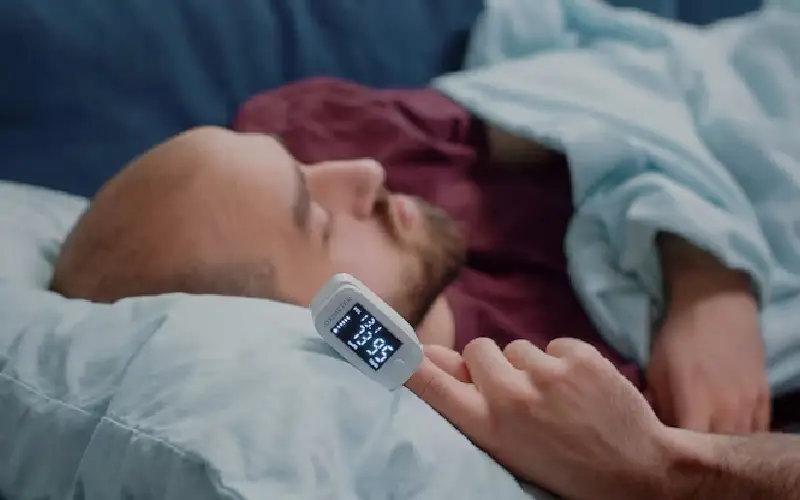
Sleep apnea affects millions worldwide, yet many remain undiagnosed due to the inconvenience and cost of traditional sleep studies. Enter the at home sleep apnea test—a revolutionary approach that’s transforming how we detect and manage this pervasive sleep disorder. This article explores the ins and outs of at home sleep apnea testing, helping you understand its benefits, how it works, and why it could be the key to unlocking better sleep and better health.
Understanding Sleep Apnea and Its Impact on Health
Sleep apnea is a common yet often overlooked disorder characterized by interrupted breathing during sleep. These breathing pauses can last from a few seconds to minutes and may occur dozens or hundreds of times a night. The most common form, obstructive sleep apnea (OSA), happens when the throat muscles intermittently relax and block the airway.
The consequences of untreated sleep apnea are significant. Beyond daytime fatigue and irritability, it can lead to serious health issues such as high blood pressure, heart disease, stroke, diabetes, and even cognitive decline. However, many people don’t realize they have sleep apnea because its symptoms can be subtle or easily mistaken for other conditions.
Traditionally, diagnosing sleep apnea requires an overnight stay at a sleep center, undergoing polysomnography—a comprehensive test monitoring brain waves, blood oxygen, heart rate, breathing, and muscle activity. While effective, this method is expensive, time-consuming, and often inconvenient, leading to delays in diagnosis.
What is an At Home Sleep Apnea Test?
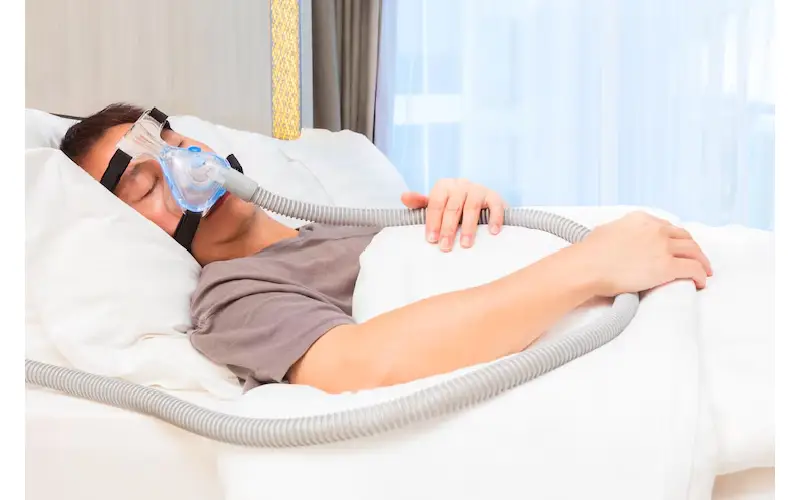
The at home sleep apnea test offers a simpler, more accessible alternative to in-lab sleep studies. This test allows individuals to collect critical sleep data in the comfort and privacy of their own home using portable devices.
These devices are designed to monitor key indicators such as oxygen levels, airflow, respiratory effort, and heart rate during sleep. While not as comprehensive as in-lab polysomnography, home tests focus on detecting obstructive sleep apnea—the most common and treatable form.
The process typically involves:
- Receiving a testing kit by mail or picking it up from a healthcare provider.
- Attaching sensors to your body as instructed—usually around the chest, finger, and nose.
- Wearing the device overnight during your normal sleep routine.
- Returning the device for analysis or uploading the data to a secure platform.
- Receiving results and recommendations from your healthcare provider within days.
This convenience dramatically lowers the barrier to diagnosis and accelerates the path to treatment.
Benefits of Choosing an At Home Sleep Apnea Test
Opting for an at home sleep apnea test comes with several compelling advantages:
Convenience and Comfort
Sleeping in a familiar environment improves the quality and reliability of the test results. Many people find it easier to fall asleep at home than in an unfamiliar lab setting surrounded by wires and machines.
Cost-Effectiveness
Home sleep apnea tests are generally less expensive than in-lab studies. Insurance plans often cover them, making diagnosis more affordable and accessible to a wider population.
Time Efficiency
Booking a sleep lab appointment can take weeks or months. With home testing, individuals can start the process immediately and receive results faster, speeding up diagnosis and treatment.
Accessibility
For those living in rural areas or with mobility issues, home testing eliminates the need for travel to a specialized center. This wider accessibility means more people can be screened for sleep apnea.
Privacy
Some people may feel uncomfortable undergoing sleep studies in clinical environments. At home testing allows patients to maintain privacy and control over the testing experience.
How to Prepare and What to Expect During an At Home Sleep Apnea Test?
Preparing for an at home sleep apnea test is straightforward but important for accurate results:
- Follow Instructions Carefully: Each device comes with detailed instructions on sensor placement and usage. Proper application ensures the data collected is reliable.
- Avoid Alcohol and Sedatives: These substances can alter breathing patterns and affect the test’s accuracy.
- Maintain a Regular Sleep Schedule: Try to replicate your usual bedtime routine to get the most representative results.
- Keep a Sleep Diary: Some providers recommend logging your sleep habits, symptoms, and any disturbances to provide context to the data.
On the night of the test, you’ll wear the device as directed and go about your normal sleeping habits. After completion, the device is either mailed back or connected to an app for data upload. Healthcare professionals then review the data to determine if sleep apnea is present and its severity.
Limitations and When to Seek Further Evaluation
While at home sleep apnea tests are highly effective for detecting moderate to severe obstructive sleep apnea, they do have limitations:
- They may not detect other sleep disorders such as central sleep apnea, periodic limb movement, or narcolepsy.
- They provide less detailed information compared to in-lab polysomnography.
- Inconclusive or borderline results may necessitate a follow-up in-lab study.
If you experience persistent symptoms like loud snoring, daytime sleepiness, morning headaches, or witnessed breathing interruptions, it’s important to consult a sleep specialist who can guide you on the best diagnostic approach.
The Future of Sleep Diagnostics: Digital Health and At Home Testing
The rise of digital health technologies is accelerating innovations in at home sleep apnea testing. Emerging devices integrate with smartphones and wearable technology to provide continuous, user-friendly monitoring. Artificial intelligence is enhancing data analysis, enabling more accurate and personalized diagnosis.
These advancements promise to further democratize access to sleep health assessments, enabling earlier interventions and better management of sleep apnea, ultimately improving patient outcomes.
Conclusion
Sleep apnea is a serious condition with wide-reaching health consequences, yet many remain undiagnosed due to traditional testing hurdles. The at home sleep apnea test represents a groundbreaking shift in sleep diagnostics—offering a convenient, affordable, and accessible way to identify this disorder in the comfort of your own bed.
By embracing these innovations, more individuals can achieve timely diagnosis and effective treatment, unlocking restorative sleep and enhancing overall quality of life. If you suspect sleep apnea, exploring an at home test with your healthcare provider may be the first step towards a healthier, more energized tomorrow.

