
Fiberglass columns are one of the most versatile building materials available today. They are used in numerous public and commercial buildings, as well as in residential designs. Fiberglass columns are becoming popular for their strength, fire resistance, lightweight design, and aesthetic quality. Due to being highly durable, they are known to not only provide excellent support for existing structures but are able to also serve as the foundation for new structures. As fiberglass materials are continually evolving and refining, more individuals and companies are beginning to uncover the vast potential when it comes to the design of fiberglass columns. In this report, the advantages, installation process, design options, cost, maintenance, and safety considerations of fiberglass columns will be discussed in detail.
What Are Fiberglass Columns?
Fiberglass columns are modular columns made of composite materials that are combined with glass fibers. These columns are most commonly used in structural applications and are capable of withstanding a wide range of environmental conditions. They are designed and produced to be both lightweight and strong, allowing for easy and flexible transportation. Fiberglass columns are also fire-resistant, due to their non-combustible properties.
Benefits Of Fiberglass Columns
Fiberglass columns offer a number of advantages to builders. First, due to being lightweight, they are easier to install compared to traditional options, such as concrete columns. Second, they are more cost-efficient than other building materials, as fiberglass columns are available in custom sizes and shapes according to the specific needs of the project. Third, fiberglass columns are highly durable and are known to last longer than other building materials, and require no special maintenance. In addition, fiberglass columns allow for a great degree of flexibility in terms of design, making it possible to customize the design according to the project’s specifications.
Installation Process For Fiberglass Columns
The installation process of fiberglass columns depends upon the specific uses of the structure. Most commonly, fiberglass columns are either bolted or strapped into place. If using bolting or strapping, epoxy-based adhesives can be used to provide extra strength. Additionally, fiberglass columns can be installed using a dry stacking method, in which pre-manufactured parts are connected and stacked together. As the installation process may differ depending on the project, it is recommended to consult with a professional to ensure that the installation is done correctly.
Design Options For Fiberglass Columns
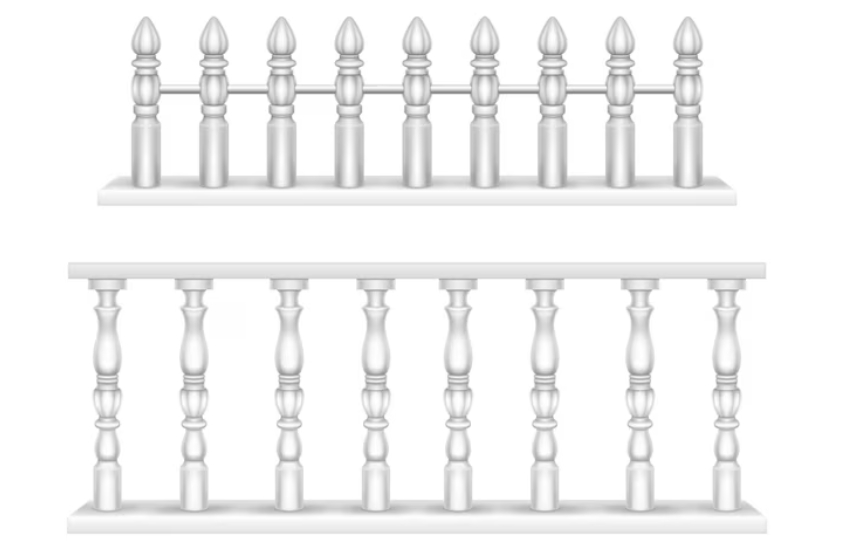
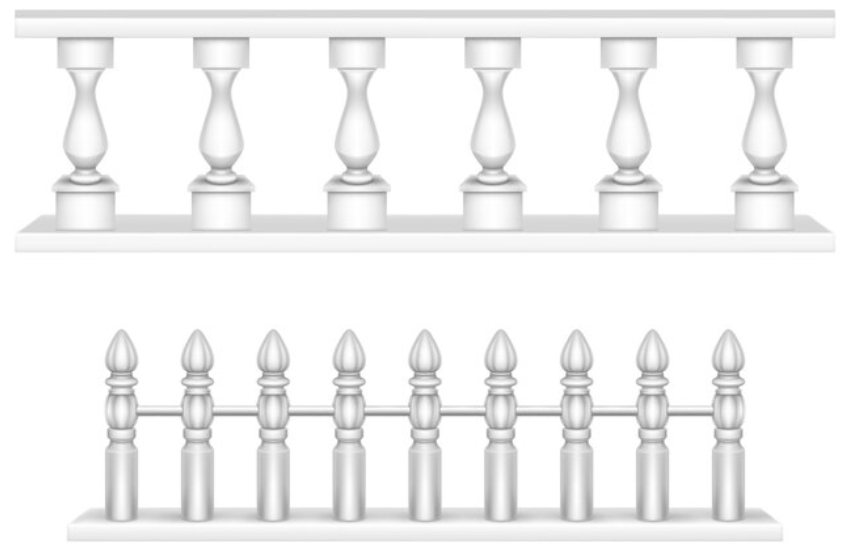
Fiberglass columns offer a durable and attractive option for any home or commercial project. Design options for fiberglass columns are nearly limitless and range from traditional round or fluted designs to fully customized patterns and colors. Some of the most popular options include pre-made round, tapered, and columnar shapes as well as Arts and Crafts styles with decorative caps and bases. Additionally, both interior and exterior columns are available and can be painted or stained to match any existing building color scheme. For a truly unique look, complex square and octagonal shapes can even be achieved by combining multiple columns. To maximize visual impact, coordinating architectural trim is often incorporated to finish off the architectural details.
Cost Of Fiberglass Columns
The cost of fiberglass columns can vary depending on the type of fiberglass material used, the size of the column, and the supplier. Generally, a 6-inch round fiberglass column can cost anywhere from $80 to $300. For a larger 8-foot-tall column measuring 24 inches in diameter, the price could range from $1250 to $2500. In addition to the cost of the column itself, installation is usually required and can add an additional cost. Depending on the complexity of the project, the cost of installation can range anywhere from $400 to $2000 and higher. Other considerations that may add to the overall cost include finishing and painting, which could add hundreds of dollars more. Ultimately, the total cost for fiberglass columns could run anywhere in the range of $1000 and up.
Maintenance Of Fiberglass Columns
Fiberglass columns require regular maintenance to ensure long life and to maintain their appearance. An annual inspection should be done to check for any cracking because of UV exposure or stress from wind or weight; any damage must be repaired immediately. The columns should be regularly cleaned to remove any dirt and debris. A mild detergent and water solution or a vinyl cleaner specially designed for fiberglass should be used. Special care should be taken to avoid any strong solvents or abrasives while cleaning. Touch-up paint or gel coat may be applied to the columns to keep them looking new. For excess wear and tear, professional refinishing services may be considered. For more detailed maintenance, a professional should be consulted in order to keep the columns looking great for years to come.
Safety Considerations For Fiberglass Columns
As with any building material, fiberglass columns should always be installed properly and inspected regularly to ensure safety. Loose or damaged parts should be replaced immediately, and any hazards or signs of structural alteration should be addressed right away. Additional safety precautions, such as proper ventilation and exhaust systems, should be employed when installing fiberglass columns.
Conclusion
Fiberglass columns are becoming increasingly popular due to their durability and aesthetic quality. They offer a great degree of design flexibility and cost-efficiency, making them ideal for many different applications. Additionally, they are fire-resistant, lightweight, and require minimal maintenance. With these factors contributing to their popularity, it is easy to see why so many individuals and companies are starting to recognize the vast design potential of fiberglass columns.

