
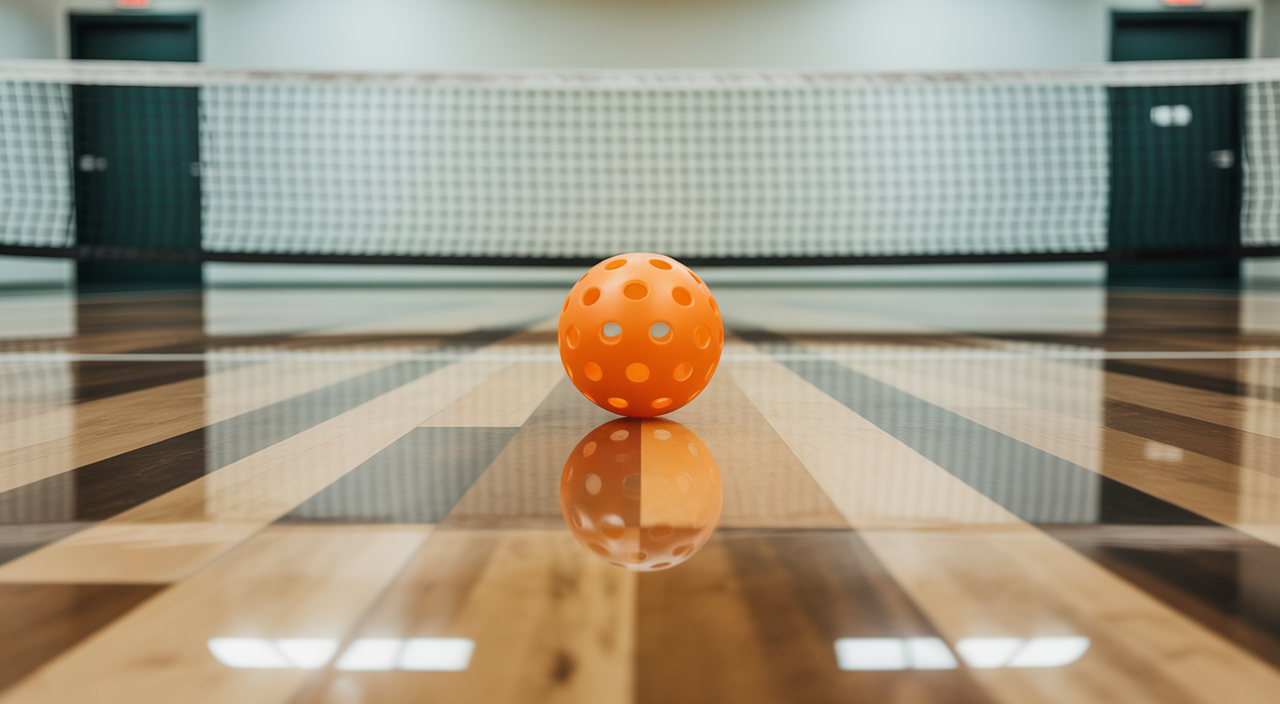
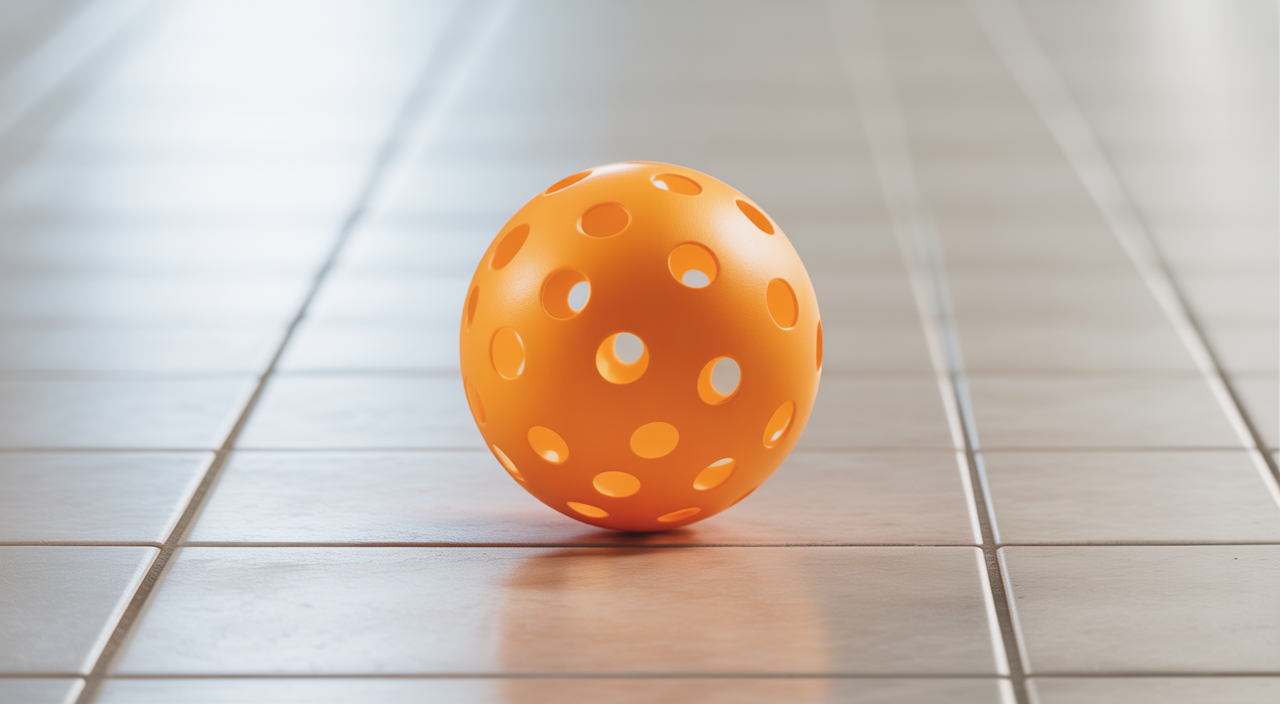
Why do pickleballs for tile surface matter so much?
If you play in an indoor gym with a smooth tile court, you already know it feels very different from outdoor concrete or even wooden floors. The ball skids, the sound echoes, and some balls crack faster than you expect. Choosing the right pickleballs for tile surface can make your games smoother, quieter, and more enjoyable.
Most players and facility managers look for three things: a consistent bounce, low noise, and strong durability. The good news is that modern indoor pickleballs are designed with tile in mind. With a little knowledge, you can pick a ball that performs well and also keeps your court in good shape.
This guide breaks down how tile affects play, how to judge ball quality, and why 26-hole indoor balls, especially bright orange ones, are becoming a favorite choice for gyms and community centers.
Understanding the challenges of tile courts
Tile is harder and less forgiving than wood. Because of this, indoor pickleball ball performance on tile can feel “livelier” and a bit faster. A good ball should bounce high enough to stay fun, but not so high that rallies become wild or hard to control.
Noise is another big concern. Tile reflects sound, which means every hit can sound louder. Low-noise pickleballs help reduce echo, which is important in housing complexes, schools, and community halls. The right ball can keep neighbors and other facility users happy.
There is also a safety angle. Some balls can skid or slide too much on a very smooth tile surface. A quality ball keeps its grip, so players can read the bounce and move safely without sudden slips.
How we look at bounce, noise, and durability
When comparing pickleball balls for hardwood and tile, it helps to think in simple tests. Bounce, noise, and wear are the three big areas to check before buying in bulk for your club or building.
- Bounce height: Drop the ball from a fixed height and check whether it bounces to a similar level each time. A consistent bounce is key for clean rallies and fair play.
- Noise level: Some facilities use a sound meter to check how loud each strike is. Even without tools, you can notice quickly if one ball sounds sharper or more “poppy” on tile than another.
- Durability: After a few sessions, look for cracks, deep scuffs, or misshapen spots. A durable indoor ball should survive many games on hard tile without deforming.
Clubs and coaches often keep a few different indoor balls and rotate them in practice to see which ones players prefer on their specific court.
Why Core Athletics Indoor Orange 26-Hole balls stand out
Many players looking for the best pickleballs for indoor courts now prefer 26-hole designs. These balls are lighter than outdoor versions and have fewer, larger holes, which makes them better suited to calm indoor air and smooth tile.
Core Athletics Indoor Orange 26-Hole balls use a tough plastic that keeps its shape even after long sessions. The 26-hole pattern gives a stable flight and predictable bounce. On tile, this balance helps reduce sudden skids while still keeping rallies quick and exciting.
The bright orange color is not just about looks. In large indoor halls, colored lines, lights, and walls can make it difficult to track a light or pale ball. High-visibility orange stands out clearly, which helps older players, beginners, and referees follow every shot.
Tile-specific benefits: bounce, noise, and court care
On tile, some balls feel too “hard,” which can increase noise and feel harsh on the paddle. A well-designed indoor ball aims for a softer, more controlled sound on contact. This is especially important where noise complaints are a risk.
Because tile is so hard, weaker balls may crack earlier. Strong, seamless construction and good material composition help indoor balls handle that repeated impact. When balls last longer, it reduces replacement costs for clubs and housing societies.
Another plus is court protection. Quality indoor balls are smooth and do not leave heavy scuff marks on tile. This keeps the court looking clean and reduces maintenance for facility managers.
Buyer’s guide: how to choose pickleballs for tile surface
Before you order a box of balls for your gym or society, keep these points in mind so you get the best value for money and happy players.
- Material and build: Look for balls made from durable, one-piece plastic rather than fragile, two-piece designs. This helps reduce cracks on hard tile.
- Hole count: Indoor balls usually have 26 larger holes, while outdoor ones often have 40 smaller holes. For tile courts, 26-hole pickleball advantages include better control, less wind impact indoors, and a softer, more predictable feel.
- Color and visibility: Bright colors like orange or neon shades work well under indoor lights. They stand out against tile and boundary lines.
- Noise level: If you play in an apartment complex or school, quieter balls help keep everyone comfortable. Look for reviews that mention “soft sound” or “low-noise pickleballs.”
- Price vs life span: Cheaper balls that crack fast can cost more over time. Durable indoor pickleballs that last longer often turn out to be the smarter investment.
Care tips for tile courts and your indoor balls
Proper care of both your court and your balls can extend their life and protect your investment. A little attention each week goes a long way.
- Clean the court: Sweep or wipe tile regularly to remove dust and small stones. This helps the ball grip better and reduces the chance of micro-scratches on the surface.
- Store balls indoors: Keep them in a cool, dry place away from direct sunlight. Excessive heat can warp plastics over time.
- Rotate your stock: Do not use the same few balls every day. Rotate sets so wear is even across all balls.
- Know when to replace: If a ball feels soft, loses shape, or shows a hairline crack, replace it. This keeps play safe and fair.
Facility managers in India and beyond who handle multiple courts often set a simple rule, like checking and replacing balls every few months, depending on usage levels.
FAQs about pickleballs for tile surface
Q1. Can indoor pickleballs damage tile courts?
In normal use, quality indoor balls do not damage tile. They are made from lightweight plastic and spread impact over a small area. Damage usually happens only if the tile already has cracks or if there are sharp particles on the floor. Keeping the court clean and using proper indoor balls is the safest approach.
Q2. How long do 26-hole indoor balls last on tile?
For most community centers and societies, a good set of 26-hole balls can last several months of regular play. High-intensity clubs that run daily sessions may replace them more often. Watch for signs like cracks, flat spots, or sudden changes in bounce to know when it is time for a new batch.
Q3. Can I use outdoor balls on an indoor tile court?
You can, but it is not ideal. Outdoor balls tend to be harder, faster, and louder, which can be uncomfortable on shiny tile. Indoor balls are designed to be a bit softer with fewer holes, giving better control and a more pleasant sound. For most indoor gyms, a ball made specifically for tile surfaces is the better choice.
To explore a complete range of indoor gear, you can also check helpful options such as high-performance pickleball paddles that pair well with indoor balls or review detailed specs on specialized indoor pickleball balls before you decide.

