
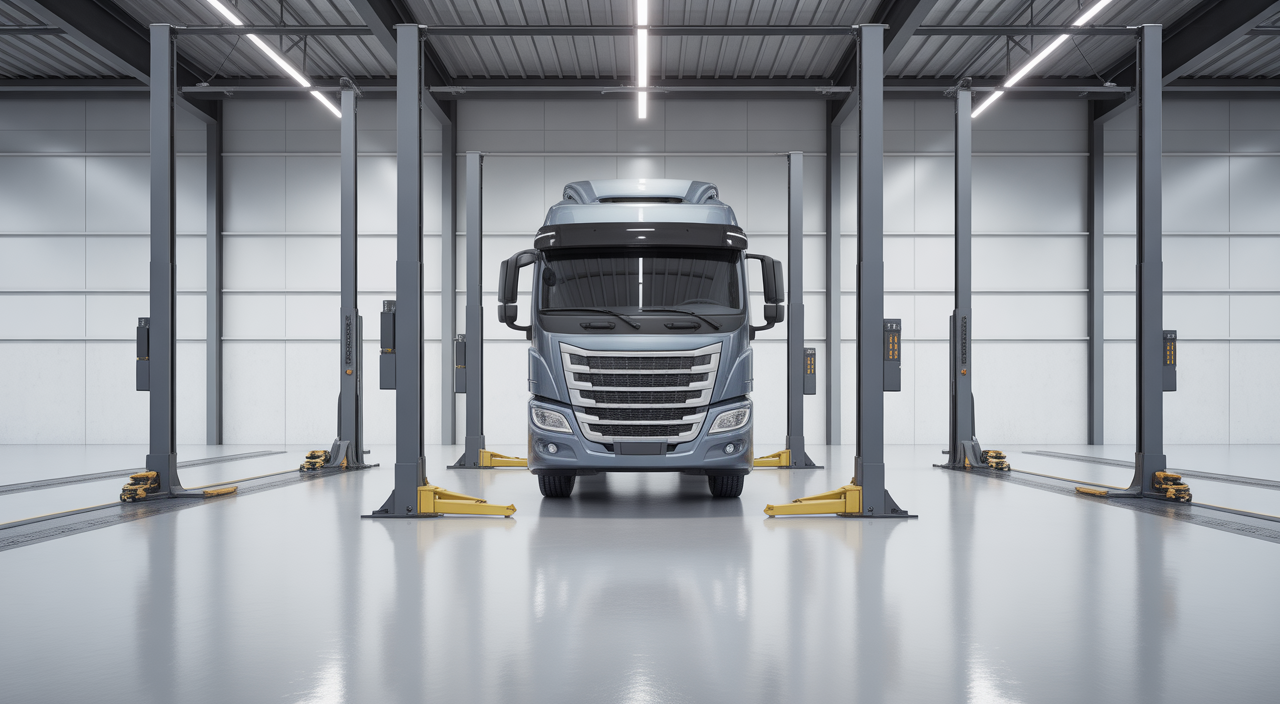
What is a mobile column lift and why are so many workshops switching to it?
A mobile column lift is becoming a core tool in modern vehicle maintenance. From fleet depots to industrial plants, teams want faster, safer and more flexible ways to raise heavy vehicles and equipment. This guide walks through how these lifting systems work, what to check before buying and how to get the best long-term value.
Instead of relying only on fixed pits or large overhead cranes, many operations now add mobile lifting and positioning equipment. It lets them move columns where they are needed, handle different vehicle types and use floor space more efficiently. With the right choice, you can reduce downtime, improve safety and delay or avoid big building upgrades.
This article keeps things simple, with clear tips you can use whether you run a small workshop or manage a large industrial facility.
What is a mobile column lift?
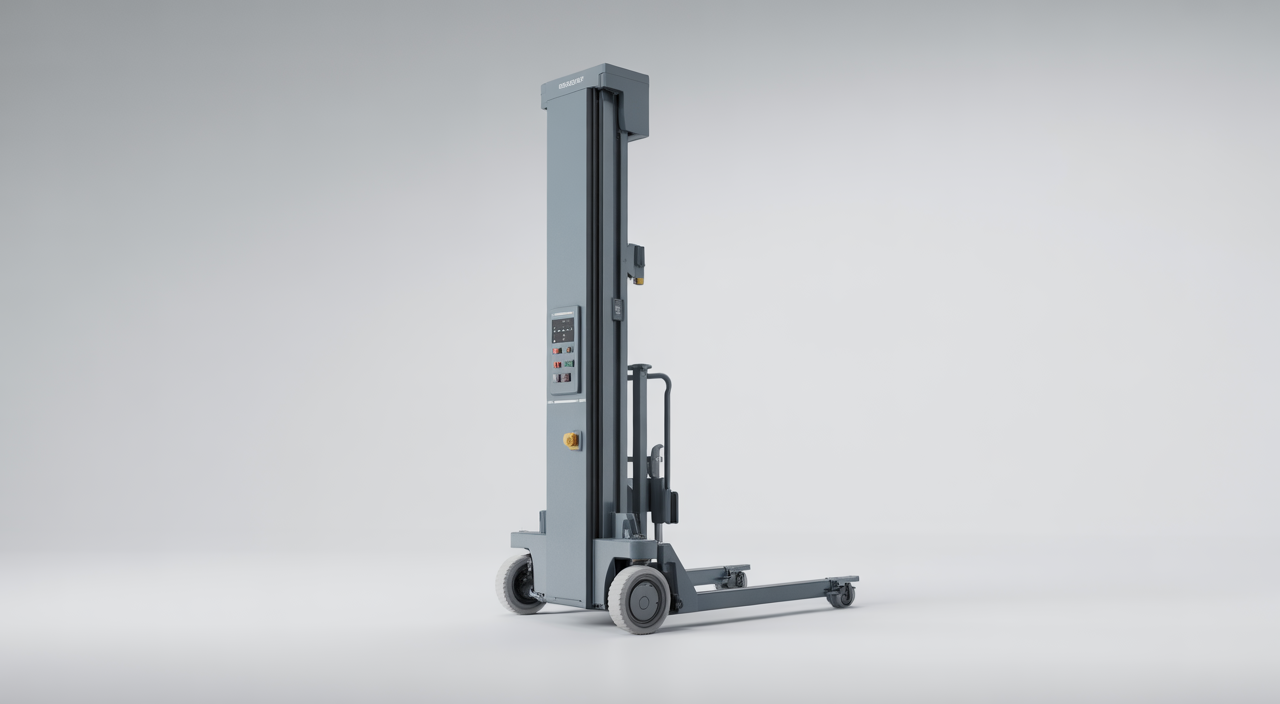
A mobile column lift is a set of individual lifting columns that work together as a synchronized lifting system. Each column has its own drive unit, controls and support arms that contact the vehicle or equipment. You can link several columns to lift trucks, buses, rail cars or heavy industrial platforms.
Unlike a fixed pit lift, these columns do not stay in one place. You can roll them to a bay, align them with the wheels or lifting points, lock them and then raise the load. Compared with overhead cranes, they need less structural steel in the building and often less licensing and civil work.
Top 5 benefits of mobile column lifts
1. Mobility and rapid deployment
Mobility is the main reason many managers choose this solution. You can move columns between bays, shift them to a different building or even support outdoor maintenance on suitable surfaces. This is very useful for mixed fleets or seasonal work where needs change during the year.
Set-up is usually quick. Operators wheel the columns into position, lock them, connect the control system and start lifting. This saves time compared with complex rigging or shuffling vehicles between fixed stations.
2. High load capacity and synchronization
Modern industrial lift columns can handle very high loads, often several tonnes per column. By using four, six or eight units together, you reach capacities suitable for trucks, buses, construction machines or rail vehicles.
The key is synchronized lifting. Electronic controls monitor each column so all move at the same speed. This keeps the load level and prevents twisting, which protects both the vehicle and the equipment.
3. Enhanced safety features
Safety is central to any portable vehicle lift. Good systems include mechanical locking, emergency stop buttons and overload protection. Many wireless mobile lift systems also include anti-collision features that stop columns if they detect unsafe conditions.
Clear visual and audio signals, stable bases and guided lifting points help operators stay within vehicle lift safety standards and internal safety rules. This builds confidence for both workers and safety officers.
4. Modular and scalable for growth
A mobile column lifter is a modular tool. You can start with a set of four columns for standard vehicles, then add more as your fleet grows. The same columns can support different wheelbases or equipment sizes by changing spacing and configuration.
This is very helpful for operations that plan to add electric buses, specialized trucks or off-road equipment in the future. One investment can support many types of assets.
5. Reduced facility modification costs
Fixed pits and large overhead cranes often require major civil work, permits and longer shutdowns. In contrast, many mobile systems need only a solid, level floor and adequate power supply.
This can cut capital costs and allow step-by-step upgrades instead of one big project. It is also easier to move or resell mobile equipment if your site layout changes later.
Key features to evaluate before buying
When comparing options, focus on technical points that truly affect daily work and total cost of ownership.
- Load capacity and lift height: Check maximum load per column, total load and the usable lift height for your tallest vehicles.
- Power system: Some solutions use fully electric drives, others use hydraulic lift modules. Electric mobile column lifts often offer smoother control and cleaner operation.
- Control method: Look for wireless synchronized column lifts with clear controls, group selection and secure communication.
- Battery life and charging: For battery-powered lift columns, check runtime on a full charge, charge time and whether there is opportunity charging while idle.
- Compliance: Make sure the system follows relevant vehicle lifting standards and local regulations in your region.
How the right mobile equipment positioner adds value
A well-designed mobile equipment positioner can do more than just lifting. It can also help align machinery, support assembly work and handle repetitive positioning tasks in production.
Systems with precise electronic control, strong safety interlocks and rugged construction can serve automotive, rail and aerospace facilities with equal ease. To explore detailed specs and project ideas, you can review the product details on the official site under specialized lifting and positioning solutions.
How to choose the right mobile column lift for your facility
Start with a clear list of your vehicles and equipment. Note their weight, wheelbase, typical maintenance tasks and how often they enter the workshop. This helps you decide how many columns you need and what capacity is safe.
Next, look at the life cycle cost. A higher-quality system with strong batteries, low maintenance and good local support may cost more upfront but save money in downtime, repairs and energy. Some suppliers share tools or worksheets that act like a lifting equipment ROI calculator to guide these decisions.
Also consider service contracts, spare parts availability and training support. Well-trained operators extend the life of your equipment and reduce risk.
Installation and maintenance best practices
Installation is usually straightforward but still needs planning. Confirm floor strength, power supply, parking areas for stored columns and safe traffic flow around lifted vehicles. Mark working zones clearly so people keep a safe distance during operation.
Industrial lift maintenance should follow a simple schedule. Check locking mechanisms, cables, hydraulic lines (if present), wheels and control panels at regular intervals. Keep a logbook for inspections, repairs and training sessions.
Clean contact points and sensors, follow the lubrication schedule and replace worn parts before they fail. Many issues are easy to solve early if you follow the recommended checklist.
Compliance and safety
Every country has its own rules, but the goals are the same: protect people and property. Make sure your process includes risk assessments, safe operating procedures, clear signage and refresh training.
It is also wise to run internal safety audits. Walk through the full lifting cycle, from approach to lockout, and confirm that each step matches both manufacturer guidance and national safety codes.
Simple case-style examples
- City bus depot: After switching from pits to mobile lifts, a depot could service more buses in parallel and cut waiting time for routine checks.
- Rail maintenance shed: By using multiple columns, teams gained better access to undercarriage parts and reduced manual handling.
- Aerospace workshop: Precision positioning equipment allowed safer access to high sections and improved inspection quality.
Each of these examples shows how better access and flexibility translate into higher throughput and safer work.
FAQs about mobile column lifts
Q1. How much load capacity do I need for a mobile column lift?
The capacity depends on your heaviest vehicle or equipment. Take the total weight, add a safety margin and divide by the number of columns you plan to use. Always choose a system that comfortably exceeds this figure and follow the limits in the manual.
Q2. Can a mobile column lift work on slightly uneven floors?
Most systems need a solid, level surface for safe operation. Small variations are often acceptable, but large slopes or soft ground are not suitable. If your floor is not ideal, discuss it with the supplier and consider site preparation before installation.
To explore product options and technical details further, you can also visit the section on material handling solutions for manufacturing environments and see how different lifting systems fit into a complete workflow.

