
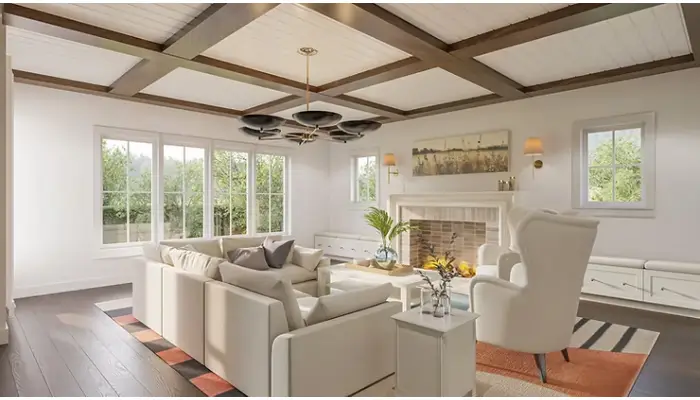
In today’s fast-paced world, the architectural industry is constantly evolving. While architects and designers are always on the lookout for innovative tools that streamline the creative process, one of the most revolutionary advancements in recent years is architectural visualization. Specifically, 3D rendering has emerged as an indispensable tool that has reshaped how designers and clients engage with building concepts. In this article, we’ll explore how architectural visualization studios are leveraging 3D rendering to improve the design process and deliver unparalleled results to clients.
What is Architectural Visualization?
Architectural visualization, often referred to as 3D rendering or CGI (computer-generated imagery), is the process of creating digital representations of architectural designs. These representations range from basic models to highly detailed, photorealistic images or animations that bring the design to life. While architectural blueprints and sketches have been around for centuries, they often lack the clarity and impact that high-quality 3D renderings can provide.
An architectural visualization studio combines cutting-edge technology with design expertise to create these visual masterpieces. With tools like CAD (computer-aided design) software, 3D modeling programs, and photorealistic rendering engines, designers can present their visions with accuracy and stunning detail. This allows both designers and clients to better understand the final product before construction begins.

The Role of 3D Rendering in the Design Process
One of the key benefits of architectural visualization is the ability to bring complex designs to life in ways that traditional sketches and blueprints cannot. This section will delve into the various stages of the design process where 3D rendering plays a crucial role.
1. Idea Generation and Conceptualization
At the beginning of any architectural project, designers often have a rough idea of what the final design will look like. However, these initial sketches can sometimes be ambiguous, making it difficult for clients to envision the space. This is where 3D rendering truly shines. By translating a designer’s ideas into a three-dimensional visual format, clients can immediately grasp the scale, proportion, and layout of the proposed design.
These early-stage renderings can help both the designer and client refine their vision, leading to more productive conversations and quicker consensus. For instance, an architectural visualization studio might create a basic rendering of a building’s exterior, allowing the client to comment on elements like the façade, materials, and lighting. These interactive feedback loops ensure that everyone is on the same page and avoids costly design changes down the line.
2. Refining Design Details
Once the initial concept is agreed upon, 3D renderings become essential for refining the finer details of the design. From the materials used in the building to the lighting schemes that create the right ambiance, 3D rendering allows for accurate simulations. Architectural visualization studios can showcase how different materials, textures, and finishes will appear in the real world, even before they are physically implemented.
For example, a designer might use 3D rendering to test different flooring options in a living room, experimenting with the effects of natural light and shadow to see how the room will feel at different times of day. This level of precision would be nearly impossible to achieve through traditional means alone.
3. Client Communication and Engagement
Effective communication with clients is a cornerstone of any successful design project. However, in many cases, clients may struggle to interpret technical drawings, which can lead to misunderstandings and frustration. 3D renderings bridge this communication gap by providing a clear, visual representation of the final product.
Architectural visualization studios are highly skilled in ensuring that these renderings not only represent the design accurately but also tell a compelling visual story. The ability to present a realistic, immersive image of the finished project can give clients a sense of ownership and excitement about the design. With this enhanced understanding, clients are more likely to feel confident in the direction of the project and engage in productive feedback that drives the design forward.
The Impact of 3D Visualization on Project Timelines and Budgets
One of the primary advantages of using architectural visualization is its ability to streamline project timelines and control budgets. Traditional methods of design, including revisions to sketches and physical models, can be time-consuming and costly. In contrast, 3D rendering offers a faster, more efficient way to iterate and make changes.
1. Faster Revisions and Design Tweaks
With the ability to modify digital renderings quickly, architectural visualization studios can make adjustments on the fly. Whether it’s tweaking the placement of windows or experimenting with different lighting conditions, these adjustments can be done much faster than with physical models. This efficiency translates to faster design iterations and fewer delays, allowing projects to stay on track and meet deadlines.
2. Cost-Effective Design Decision Making
3D renderings can also help save money by allowing designers and clients to make more informed decisions early on in the process. Instead of waiting for expensive physical models to be built or completing multiple rounds of revisions, digital models can be updated instantly at a fraction of the cost. As a result, there is less waste in terms of time and resources, which can significantly reduce project expenses.
Additionally, architectural visualization studios can use 3D renderings to conduct virtual walkthroughs and simulations, which helps avoid costly mistakes and rework during construction. By catching potential issues early, these digital previews ensure that the final product stays true to the original vision while minimizing unplanned expenses.
How Architectural Visualization Enhances Marketing and Client Acquisition?
For architecture firms and design studios, architectural renderings are not just a useful tool for internal project development — they also serve as an essential marketing tool. Stunning visual content is a powerful way to attract new clients and build a strong portfolio.
1. Creating Engaging Marketing Materials
3D renderings can be used in promotional materials, websites, and social media campaigns to showcase the firm’s capabilities and attract new business. Potential clients are often drawn to eye-catching visuals, and a compelling rendering can spark their interest in the firm’s services.
2. Building a Strong Portfolio
As an architectural visualization studio develops a diverse range of projects, these renderings can form the backbone of their portfolio. This collection of work can demonstrate the firm’s versatility and expertise, helping to secure new contracts with prospective clients who are looking for innovative design solutions.
Conclusion
The use of 3D rendering in architectural visualization is more than just a trend; it’s a transformative tool that is redefining the design process. By improving communication, streamlining revisions, and offering a deeper understanding of the final product, architectural visualization studios are helping architects and clients collaborate more effectively. As technology continues to advance, the potential for even more immersive, interactive visualizations will only grow, further enhancing the way we design, communicate, and experience architectural projects.
For those in the industry, embracing these cutting-edge techniques is essential to staying competitive and providing clients with the best possible design experience. As architectural visualization evolves, the possibilities for innovation and creativity are limitless, shaping the future of design, one rendering at a time.

