
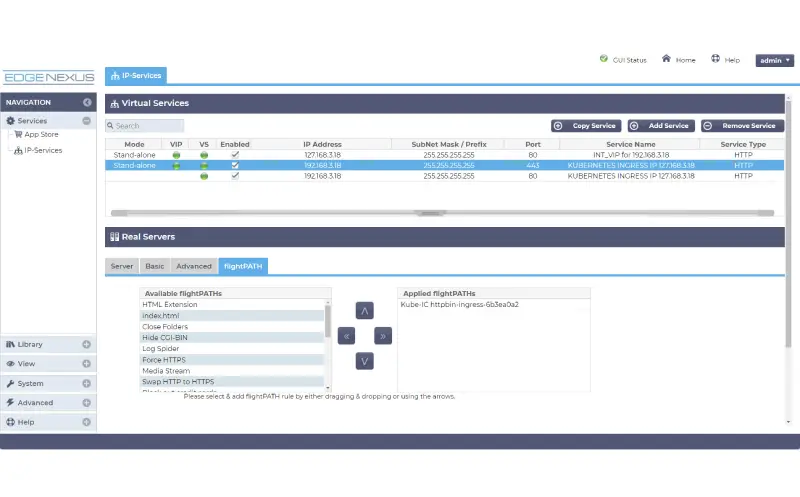
Maximizing performance with the best Ingress controller for Kubernetes involves selecting and configuring a controller that efficiently manages incoming traffic to your cluster. The right Ingress controller can balance loads effectively, ensuring that requests are routed to the appropriate services based on rules you define. Leading options like NGINX, HAProxy, and Traefik offer robust features such as SSL termination, advanced routing, and detailed monitoring capabilities. By leveraging these features, you can optimize resource usage, reduce latency, and enhance security. Additionally, these controllers support auto-scaling and can handle a high volume of requests, ensuring your applications remain responsive under varying load conditions.
Introduction To Kubernetes And Ingress Controllers
Welcome to the world of Kubernetes, where orchestrating containers is key to modernizing and scaling applications. In this dynamic landscape, having the best ingress controller for Kubernetes can be a game-changer in optimizing performance and enhancing user experience. Let’s delve into the realm of ingress controllers, explore their benefits, compare top options, and discover how choosing the right one can elevate your Kubernetes deployment to new heights.
Benefits Of Using An Ingress Controller
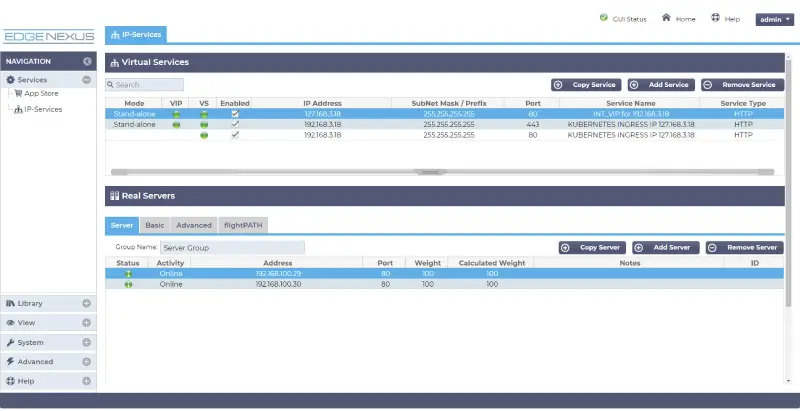
When it comes to managing traffic within a Kubernetes cluster, utilizing an Ingress Controller offers numerous benefits. One of the key advantages is the ability to efficiently route external traffic to different services within the cluster based on defined rules. This simplifies the process of managing incoming requests and enhances overall network efficiency.
In addition, using an Ingress Controller enables SSL termination, allowing for secure communication over HTTPS without requiring each individual service to handle encryption separately. This not only improves security but also reduces the complexity of managing certificates across multiple services.
Moreover, with features like path-based routing and load balancing, an Ingress Controller helps optimize resource allocation and improve application performance. By intelligently directing traffic to specific services based on predefined criteria, it ensures that workloads are distributed effectively and latency is minimized.
Furthermore, centralizing access control through an Ingress Controller streamlines authentication processes and enhances scalability by providing a unified entry point for external traffic. This simplifies management tasks and improves operational efficiency in Kubernetes environments.
Comparison Of Features And Capabilities
When it comes to choosing the best ingress controller for Kubernetes, comparing features and capabilities is crucial. Each controller offers unique functionalities that cater to different needs and requirements. Nginx Ingress Controller, for example, is known for its high performance and extensive community support. On the other hand, Traefik provides ease of use with its dynamic configuration options and built-in Let’s Encrypt integration.
HAProxy Ingress stands out with its robust load balancing capabilities and advanced routing features. Envoy Proxy offers a modern approach with powerful traffic management tools like rate limiting and circuit breaking. Choosing the right controller depends on factors such as scalability, security features, compatibility with cloud providers, and ease of integration with existing systems.
By carefully comparing these controllers’ features and capabilities, you can make an informed decision that aligns with your project goals and infrastructure requirements.
Factors To Consider When Choosing The Best Ingress Controller For Kubernetes
When selecting the best Ingress controller for Kubernetes, there are several key factors to consider. Compatibility with your specific Kubernetes environment is crucial. Ensure that the Ingress controller you choose integrates seamlessly with your existing setup without causing conflicts or disruptions.
Scalability is another essential factor to keep in mind. Your chosen Ingress controller should be able to handle increasing traffic and application demands as your Kubernetes cluster grows. Look for features like auto-scaling and load balancing capabilities to support performance optimization.
Security is paramount when choosing an Ingress controller. Select a solution that offers robust security features such as SSL/TLS termination, WAF integration, and DDoS protection to safeguard your applications against potential threats and vulnerabilities.
Ease of management and configuration is also important. Opt for an Ingress controller that provides user-friendly interfaces, clear documentation, and efficient troubleshooting tools to simplify deployment and maintenance tasks within your Kubernetes environment.
Tips For Implementing And Managing The Best Ingress Controller For Kubernetes
- When implementing an Ingress Controller for Kubernetes, it’s essential to start by thoroughly understanding your application requirements. This includes identifying the specific features and functionalities needed to optimize performance and scalability within your cluster.
- To successfully manage an Ingress Controller, regular monitoring and maintenance are key. Keep a close eye on traffic patterns, resource utilization, and any potential bottlenecks that may impact the overall efficiency of your system.
- Utilize automation tools where possible to streamline processes like deployment updates and scaling. This can help reduce manual errors and save time in managing your Kubernetes environment effectively.
- Stay informed about new releases and updates from the chosen Ingress Controller provider. Keeping up-to-date with the latest features and security patches ensures you are maximizing the benefits of your chosen solution while maintaining a secure infrastructure.
- Collaborate with your team members to establish best practices for configuring routing rules, TLS termination, and other settings within the Ingress Controller. Effective communication can lead to smoother implementation processes and improved management strategies over time.
Conclusion
Choosing the best ingress controller for kubernetes cluster is crucial for achieving optimal performance and scalability. With various options available in the market, it’s essential to consider factors such as feature set, compatibility, ease of use, and community support when making your decision. By selecting the best Ingress controller suited to your specific needs and requirements, you can streamline traffic management, enhance security, and ensure high availability for your applications running on Kubernetes. Remember that a well-chosen Ingress controller can significantly impact the overall efficiency and effectiveness of your Kubernetes environment.

