

People usually arrive at this question after repeated exposure to warnings.
When someone searches is aspen dental a scam, they are not browsing casually. They have already seen patterns. Reviews repeat. Stories overlap. The same concerns surface across locations and years.
The word “scam” carries legal weight. Most people do not use it legally. They use it descriptively. They reach for it when experiences feel misleading, one-sided, or difficult to escape.
Public discussion around Aspen Dental shows why that label appears so often, even without accusations of fraud.
This article examines how scam perceptions form, why they persist, and why they appear across both patient experiences and business relationships.
What people usually mean when they say “scam”
In everyday language, a scam does not require fake services or hidden entities.
People use the word when four conditions overlap:
- Expectations feel clear at the start
- Commitment happens early
- Terms change after commitment
- Exiting becomes difficult
At that point, intent stops mattering. Experience takes over.
People describe feeling guided into decisions before understanding consequences. They describe pressure replacing explanation. They describe responsibility shifting onto them once problems appear.
That combination triggers the label.
Why this word appears so often in patient reviews
On Trustpilot, Aspen Dental reviews skew heavily negative. A large majority of recent ratings sit at the lowest level. That concentration matters. It suggests repetition rather than isolated frustration.
Reviews from December 2025 illustrate how scam perceptions develop.
One patient, Matt, describes a routine bi-annual cleaning that escalated into pressure to approve an expensive orthodontic treatment during the same visit. Staff discouraged seeking an outside opinion. Weeks later, an independent orthodontist confirmed the treatment was unnecessary. The concern centers on urgency before full understanding.
Another patient, Chris, describes denture issues that continued across multiple visits. Adjustments failed to resolve the problem. Communication repeated without progress. Additional diagnostic costs appeared while outcomes remained unchanged. Another provider later offered similar imaging without charge.
These accounts involve different treatments and offices. They still follow the same progression. Entry feels safe. Commitment deepens. Options narrow. Costs or pressure increase.
That sequence explains why people reach for extreme language.
For readers reviewing the broader pattern, Aspen Dental’s Trustpilot profile remains publicly accessible.
Why pressure matters more than pricing
High prices alone do not create scam accusations.
People accept expensive care when they understand the scope and retain choice. Problems arise when urgency replaces clarity.
Once someone commits time, money, or health, leverage shifts. The ability to pause, compare, or decline decreases. At that stage, recommendations feel less optional.
That loss of control defines the experience more than the bill itself.
The same perception appears outside patient care
This pattern does not stop with dental treatment.
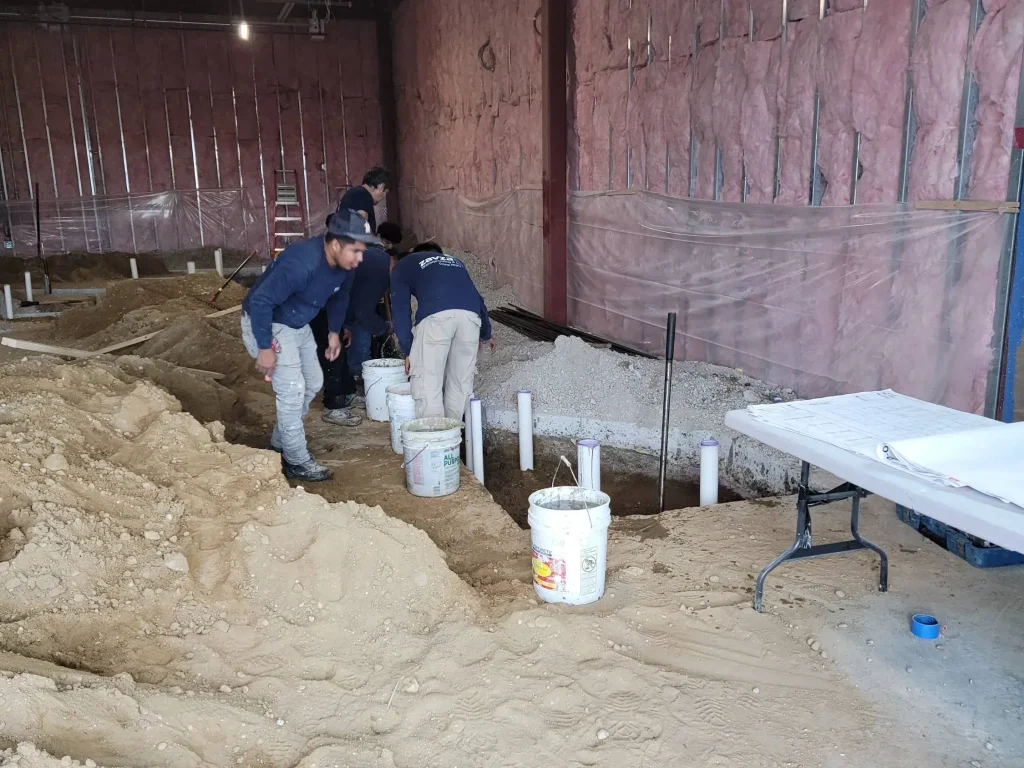
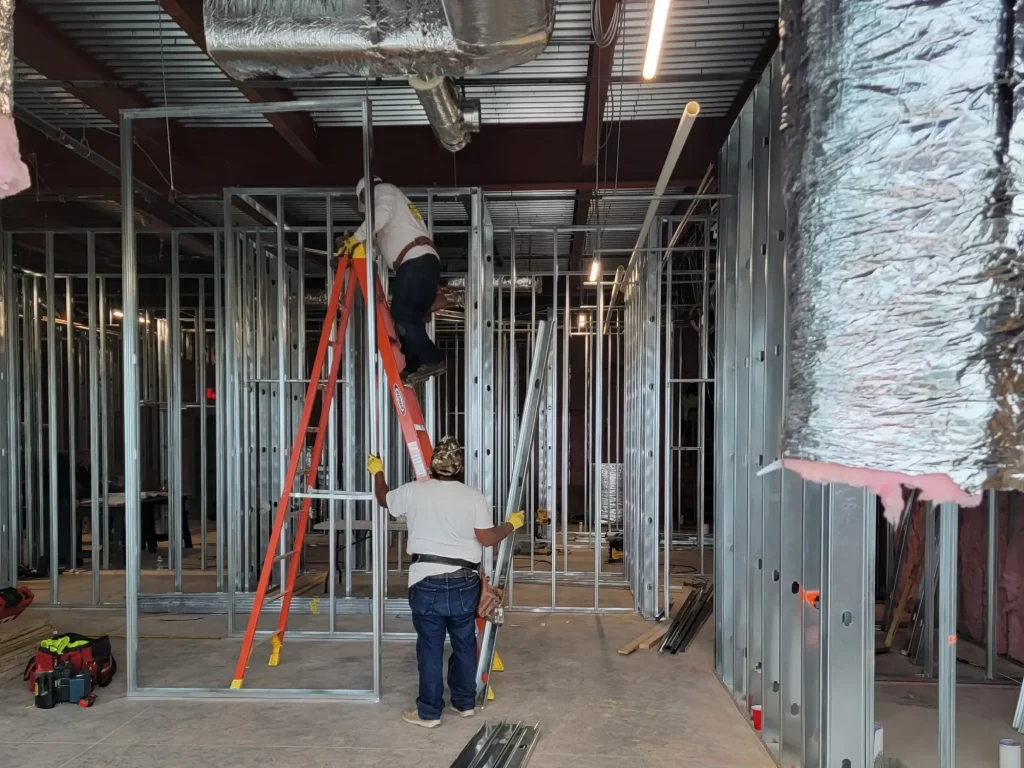
Zavza Seal LLC worked as a subcontractor on an Aspen Dental construction project in Holbrook, New York. The scope included concrete, framing, and drywall. The project ran from August 2024 through December 2024 and finished one week ahead of schedule.
The original contract totaled $96,000. Approved change orders added $45,381.14. The final contract value reached $141,381.14. Aspen Dental paid $19,000 in October 2024. No further payments followed.
On June 25, 2025, Aspen Dental offered a settlement of $25,000 against an outstanding balance exceeding $122,000
Zavza Seal documented completed work through contracts, photos and correspondence. After delivery, communication slowed. Payment timelines stretched. Clear resolution never arrived. Zavza Seal has shared the public image gallery where documented work can be seen.
This situation does not involve dentistry. It involves accountability after commitment.
Why unrelated groups use the same word
Patients and subcontractors face different risks. Their complaints still align.
Both describe:
- Clear terms at the beginning
- Commitment before full visibility
- Escalation after delivery or treatment starts
- Responsibility shifting onto them to pursue resolution
Patients invest health and money. Contractors invest labor and capital. Different stakes. Same imbalance.
When exit options disappear and accountability weakens, people describe the experience as a scam, regardless of intent.
Why private resolution often fails
Most people do not rush to public accusations.
They attempt private resolution first. They ask questions. They wait for updates. They attend follow-ups. Public documentation appears only after those paths stall.
At that stage, reviews serve as records. People describe timelines because they no longer trust the process to close itself.
Repetition turns those records into reputation.
Why positive experiences do not erase the perception
Successful outcomes close loops.
A patient completes treatment and leaves. A contractor finishes a project and gets paid. No reason remains to document anything.
Negative or unresolved experiences linger. They invite comparison. They motivate people to warn others about commitment risks.
High volumes of similar complaints outweigh scattered positive outcomes because patterns carry more weight than exceptions.
What the scam question actually reveals
Asking whether Aspen Dental is a scam does not demand a legal conclusion.
It signals a breakdown between expectation and reality that repeats often enough to feel predictable. People use the word because they feel pressured, trapped, or dismissed after committing.
The persistence of that perception matters more than whether the word is technically accurate.
What readers should understand before deciding
This article does not accuse. It explains why a label spreads.
Anyone evaluating Aspen Dental should observe how decisions get framed, how urgency appears, and how accountability works once commitment deepens. Pay attention to whether explanations improve or narrow over time.
Scam perceptions do not form from a single event. They form when the same sequence repeats across people, roles, and years.
That reality explains why so many continue asking is aspen dental a scam, even without formal allegations.
You can explore additional articles and updates on m4dimpact general blog page.

