
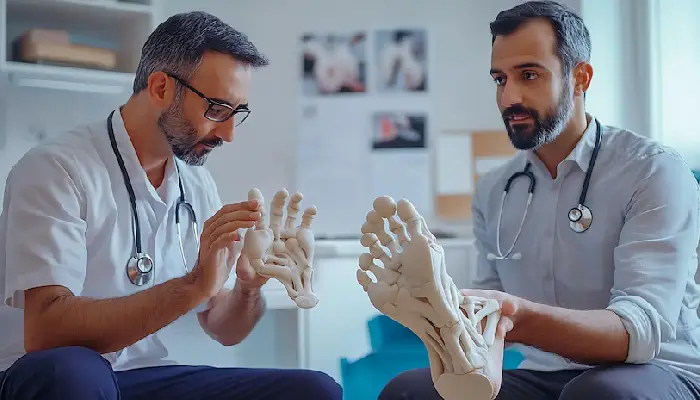
Orthopedic surgery is a specialized field focused on treating conditions related to the bones, joints, muscles, ligaments, and tendons. The effectiveness of these procedures significantly depends on the skill of the surgeon, the quality of post-operative care, and the overall treatment plan. As one of the most intricate fields in medicine, improving patient outcomes in orthopedic surgery requires a multifaceted approach. Louisiana orthopedic surgeons have the expertise and experience necessary to ensure these outcomes are achieved, but it takes more than just performing the procedure itself. By emphasizing patient education, advanced surgical techniques, and post-surgical rehabilitation, orthopedic surgeons can enhance recovery times and minimize complications.
The Importance Of Pre-Surgical Assessment And Planning
One of the most crucial steps in improving patient outcomes is thorough pre-surgical assessment and planning. For Louisiana orthopedic surgeons, this involves gathering detailed patient medical histories, understanding their lifestyle factors, and conducting a series of diagnostic tests. These tests may include imaging studies such as X-rays, MRIs, and CT scans, which allow surgeons to evaluate the severity of the injury or condition. By reviewing this information, surgeons can identify any potential complications, including pre-existing conditions like diabetes, heart disease, or osteoporosis, that could influence the surgery or recovery process.
A personalized surgical plan should be developed based on the patient’s specific needs. By determining the most suitable surgical technique and setting realistic expectations, the surgeon helps to reduce the risk of complications and improve overall outcomes. For example, minimally invasive surgery techniques are often chosen for certain conditions, as they typically result in less trauma to the body, shorter recovery times, and smaller scars.
Incorporating Advanced Surgical Techniques
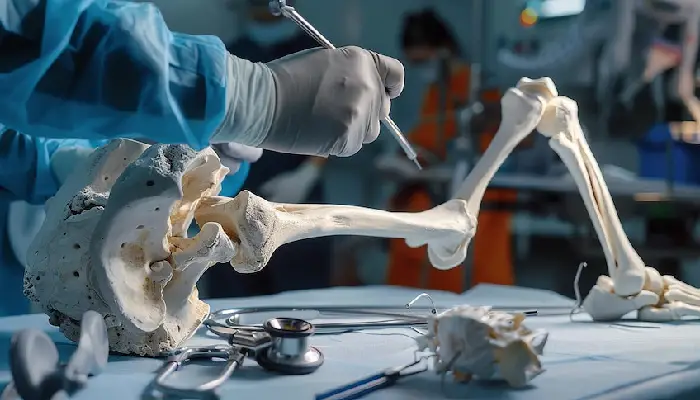
The field of orthopedic surgery has made significant strides in the past few decades, thanks to the development of advanced surgical techniques. Louisiana orthopedic surgeons who are skilled in utilizing the latest technologies and techniques can provide better care and improved patient outcomes. These advanced methods include minimally invasive surgeries, robotic-assisted surgeries, and the use of 3D imaging for precision.
Minimally invasive surgeries have become a game-changer in many orthopedic procedures. By making smaller incisions, these procedures result in less damage to the surrounding tissue and muscles, reducing pain and scarring. Patients experience faster recovery times, shorter hospital stays, and a quicker return to normal activities. Additionally, robotic-assisted surgeries allow for more precision, reducing the risk of human error and improving the likelihood of successful outcomes.
Effective Pain Management Strategies
Pain management is an essential aspect of the orthopedic surgery process. Effective management can make a substantial difference in the recovery process and the overall patient experience. Louisiana orthopedic surgeons are dedicated to providing optimal pain relief using a variety of techniques.
Modern approaches to pain management include a combination of medication, nerve blocks, and physical therapy. Surgeons are now better equipped to manage acute and chronic pain with the use of multimodal analgesia—using different types of medications to target pain at various levels of the nervous system. This helps prevent opioid dependence, reducing the risks associated with long-term pain medication use.
Additionally, nerve blocks can be used to target specific areas of pain and offer immediate relief following surgery. Some surgeons also implement cryotherapy (cold therapy) and electrical stimulation, which work to reduce pain, swelling, and inflammation during the early stages of recovery.
Post-Operative Care And Rehabilitation
Even with the most advanced surgical techniques, post-operative care and rehabilitation are essential for ensuring positive outcomes. For Louisiana orthopedic surgeons, creating a comprehensive post-surgery plan for each patient is vital for their long-term recovery.
Post-surgical rehabilitation begins immediately after the procedure and continues for several weeks or months. This phase focuses on restoring function, improving strength, and reducing pain. Physical therapy (PT) plays a central role in rehabilitation, as it helps patients regain mobility and build strength around the affected joint or area. A well-coordinated plan with physical therapists ensures patients progress at the appropriate pace.
In some cases, patients may require occupational therapy (OT) to assist them in returning to their daily tasks and work-related activities. The rehabilitation plan should be tailored to each individual’s unique needs and recovery goals, making it a crucial part of the overall treatment process.
Fostering Patient Education And Engagement
Educating patients about their condition and the surgical process is another key factor in improving outcomes. Louisiana orthopedic surgeons understand that informed patients are more likely to follow post-operative care instructions, attend follow-up appointments, and engage in rehabilitation programs. This proactive approach is instrumental in the success of the surgery.
Before surgery, patients should receive information about what to expect, the risks involved, and the necessary steps they need to take to promote a smooth recovery. Surgeons should explain the importance of adhering to physical therapy routines and adhering to lifestyle modifications, such as diet changes, exercise, and weight management. Offering clear communication about expected outcomes and recovery timelines can help manage patient expectations, reduce anxiety, and encourage a collaborative approach to care.
Additionally, Louisiana orthopedic surgeons can utilize digital tools like patient portals, which provide patients with easy access to educational resources, appointment scheduling, and direct communication with the medical team.
Monitoring And Adjusting Treatment Plans
Continual monitoring and adjusting of treatment plans play a significant role in improving orthopedic surgical outcomes. Louisiana orthopedic surgeons must remain vigilant throughout the entire recovery process, making adjustments as necessary based on the patient’s progress.
Follow-up visits are essential for ensuring that patients are healing properly. These visits allow the surgeon to assess the surgical site, detect early signs of complications (e.g., infections, blood clots, or delayed healing), and modify treatment as needed. If issues arise, such as complications related to prosthetic devices or surgical site infections, prompt intervention can prevent further complications and improve recovery outcomes.
A personalized and dynamic treatment plan ensures that patients receive the most appropriate care as they recover, and it fosters an environment where patients feel confident in their healing journey.
Addressing Comorbidities And Lifestyle Factors
Many patients who require orthopedic surgery have underlying comorbidities or lifestyle factors that can affect their healing process. Louisiana orthopedic surgeons must take a holistic approach to care, addressing issues such as obesity, smoking, and poor nutrition, which can impede recovery and complicate surgical outcomes.
Obesity, for example, can place excessive stress on joints and bones, leading to complications during surgery and slower healing times. Similarly, smoking can restrict blood flow, delay healing, and increase the risk of infection. By addressing these factors early, surgeons can work with patients to optimize their health before and after surgery, improving the overall success of the procedure.
The Role Of Collaborative Care
Improving patient outcomes in orthopedic surgery also involves collaboration between various healthcare providers. Surgeons, physical therapists, anesthesiologists, nurses, and other specialists must work together to ensure that the patient receives comprehensive care throughout the surgical and recovery process.
A collaborative care model also includes family and caregivers, who play a significant role in patient support during recovery. Louisiana orthopedic surgeons should involve patients’ families in the education process to ensure they are equipped to provide the necessary care and emotional support during recovery.
Conclusion
Improving patient outcomes in orthopedic surgery requires a multifaceted approach that incorporates skilled surgical techniques, effective pain management, thorough rehabilitation, and ongoing patient education. Louisiana orthopedic surgeons are committed to providing the highest standard of care by utilizing the latest advancements in the field, fostering collaborative care models, and addressing the individual needs of each patient.
Resource URL:

