
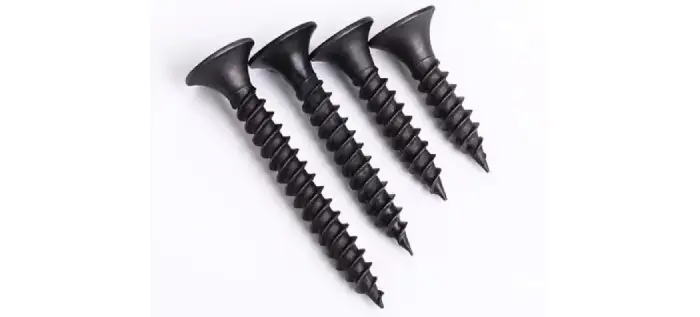
Loose drywall screws are a common problem in India, mainly due to factors like over-tightening, using wrong or low-quality screws, and improper screw spacing. Many installers tend to drive screws too deep, damaging the drywall surface and causing weak grips. Also, humid conditions accelerate rust on standard screws, weakening hold over time. To avoid this, choose corrosion-resistant screws suitable for wood or metal studs and maintain proper spacing (about 12 inches on ceilings). Using power drills with adjustable torque helps prevent over-driving. Ensuring sturdy backing for the drywall and sealing screw heads with joint compound further improves durability in India’s varied climates.
Common Causes of Loose Drywall Screws in India
One major cause of loose drywall screw in India is over-tightening. When screws are driven too deep, they damage the drywall paper surface, weakening the screw’s grip and sometimes causing cracks around the screw head. Using low-quality or incorrect screw types also contributes heavily to loosening, especially given India’s humid climate where rust and corrosion degrade the screws’ holding power. Incorrect screw spacing is another issue: placing screws too far apart reduces the drywall’s structural integrity, while placing them too close can cause the drywall to split or the paper to tear.
Lack of proper backing behind the drywall, such as firm wood studs or metal framing, makes it difficult for screws to maintain a strong hold, leading to loosening over time. The use of improper tools or inconsistent torque during installation can cause screws to be driven unevenly, some may be overdriven or stripped, while others remain too shallow. Vibrations from machine-driven screw guns without steady pressure can worsen this problem by causing screws to enter at improper angles, weakening the joint.
Environmental factors common in India also play a role. Temperature fluctuations cause drywall and framing materials to expand and contract, gradually loosening screws. High humidity accelerates corrosion of metal screws and degradation of drywall paper, further reducing the holding strength. Gaps around improperly seated screws allow moisture and dirt to accumulate, which weakens the bond between the drywall and fastener. Lastly, failing to secure screws properly near drywall edges can tear the paper surface, making it easier for screws to come loose over time.
Choosing the Right Screws for Indian Conditions
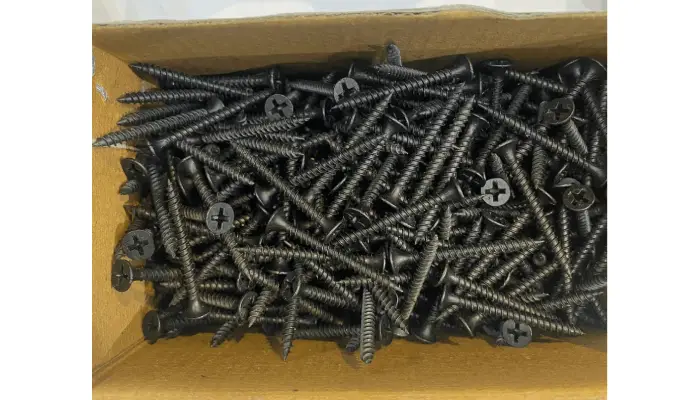
Selecting the proper screws is essential to prevent loose drywall screws in India’s diverse climate. Corrosion-resistant screws, such as phosphate-coated or galvanized types, are a must to withstand the country’s high humidity and coastal moisture. For wood studs, coarse-thread screws provide better grip by biting deeper into the timber, ensuring a strong hold. When working with metal studs, fine-thread or self-drilling screws are ideal because they penetrate smoothly without pre-drilling, saving time and reducing drywall damage. Matching screw length to drywall thickness is equally important: typically, use 1-inch screws for single-layer drywall and 1.25 to 1.5 inches for thicker panels or layered drywall. Avoid standard or untreated screws that rust quickly and weaken the installation. Screws with bugle heads are preferable since their shape prevents tearing of the drywall paper during installation, maintaining surface integrity. Sharp-tipped screws make penetration easier and reduce the risk of cracking the drywall. In coastal or high-moisture areas, screws with additional anti-corrosion coatings offer extra protection. It’s also important not to mix screw types within the same installation, as different holding powers and appearances can lead to inconsistent results and potential loosening over time. Consistency in screw selection helps maintain even grip and a professional finish throughout the drywall installation.
Proper Screw Spacing and Placement Guidelines
Proper screw spacing and placement are key to preventing loose drywall screws in India. On ceilings, screws should be spaced every 12 inches to provide even support and reduce the risk of sagging. For walls attached to studs, screws placed every 16 inches help maintain structural strength. In high-traffic or load-bearing areas, it’s best to reduce spacing to 8 inches for extra stability. Always keep screws at least ½ inch away from drywall edges to avoid splitting the drywall surface, which weakens the hold. Avoid clustering screws too close together, as this can cause drywall stress and damage. Align screws in straight lines along the studs to ensure proper load distribution and avoid missed spots, especially near corners or edges where drywall is more vulnerable. Consistent vertical and horizontal spacing helps maintain uniform support across the panel. Before installation, accurately mark stud locations to prevent misplaced screws that compromise grip. In areas subject to vibration or movement, such as near doors or machinery, adjust screw spacing tighter to ensure a stronger hold and prevent loosening over time.
- Space screws every 12 inches on ceilings for even support.
- Place screws every 16 inches on walls attached to studs to maintain strength.
- In high-traffic or load areas, reduce spacing to 8 inches for extra stability.
- Keep screws at least ½ inch away from drywall edges to avoid splitting.
- Do not cluster screws too close, which can cause drywall damage and stress.
- Align screws in straight lines along studs to ensure proper load distribution.
- Avoid missing screws near corners or edges where drywall is vulnerable.
- Use consistent spacing vertically and horizontally for uniform support.
- Mark stud locations accurately before screwing to prevent misplaced fasteners.
- Adjust spacing when installing in areas subject to vibration or movement for stronger hold.
Correct Screw Depth and Installation Tools
Using the right tools and maintaining proper screw depth are key to avoiding loose drywall screws in India. Power drills with adjustable torque control help prevent over-driving screws, which can damage the drywall paper and weaken the hold. Screws should be driven just below the drywall surface, leaving the paper intact to maintain grip. Drywall screw setter bits or screw guns with depth control features ensure consistent and accurate screw depth across the installation. Avoid manual screwdrivers, as they often lead to uneven screw placement and inconsistent depth, increasing the risk of loosening. Impact drivers should also be avoided because their high force can tear drywall paper and cause damage. During installation, maintaining steady pressure and a controlled speed prevents screw stripping and ensures a firm hold. Regularly checking screw heads helps catch any over-driven or under-driven screws early, allowing for removal and repositioning if necessary. Training installers on proper tool use and depth control techniques further reduces damage and loosening risks, ensuring strong, durable drywall fastening in varied Indian conditions.
Ensuring Strong Backing and Support
For a secure drywall installation, it is essential to attach drywall panels firmly to sturdy wood studs or metal framing. Before starting, check that all studs are straight, properly spaced, and free from warping or damage. Replace any rotten or warped studs, as weak backing materials will fail to hold screws tightly, leading to loosening over time. In areas prone to vibration or heavy use, reinforce the framing by adding blocking or additional supports behind drywall edges and corners to distribute loads evenly and prevent movement. Using metal studs is advisable where moisture resistance and durability are concerns, such as in bathrooms or kitchens. It is also important to confirm that the backing aligns with planned screw locations to maximize grip. To further improve panel stability, apply drywall adhesive along with screws, which helps reduce stress on fasteners and minimizes the chance of screws working loose. Lastly, ensure that the backing itself is securely fastened to the building’s structural elements to avoid any shifting that can cause drywall screws to loosen.
Protecting Screws from Moisture and Corrosion
In India’s humid and often rainy climate, protecting drywall screws from moisture and corrosion is crucial to avoid loosening and damage. Always use corrosion-resistant screws, such as galvanized or phosphate-coated types, especially in bathrooms, kitchens, or coastal areas where exposure to moisture is higher. Applying sealants or primers on the screw heads before finishing helps create an additional barrier against rust. After installation, covering the screw heads with joint compound not only conceals the screws but also seals them from moisture penetration. To further reduce the risk of corrosion, avoid exposing drywall screws to standing water or leaks by ensuring proper plumbing and roof maintenance. Regular inspection of drywall areas for signs of rust or moisture damage allows early detection and timely replacement of any corroded screws to maintain structural integrity. Using moisture-resistant drywall in damp environments combined with anti-corrosion screws enhances durability. Proper ventilation and the installation of vapor barriers behind drywall also limit condensation buildup near screws. These steps collectively help maintain screw strength and drywall stability even under India’s challenging environmental conditions.
Tips to Handle Environmental Effects on Drywall
Before installing drywall, it’s important to let the panels acclimate to the site’s temperature and humidity. This helps reduce expansion or contraction after installation, which can loosen screws over time. In regions with high humidity, such as many parts of India, using moisture-resistant drywall and screws is essential, especially in bathrooms, kitchens, and basements. Avoid installing drywall right after wet weather, as the panels may absorb moisture and weaken the grip of screws. Large drywall surfaces should incorporate expansion joints to absorb natural movements caused by temperature changes, preventing cracks and screw loosening. Proper sealing of joints and screw heads with flexible joint compounds also helps prevent moisture intrusion and allows minor movements without cracking. Maintaining indoor humidity levels through ventilation or dehumidifiers can slow down drywall and screw deterioration. The installation should account for building movement from temperature fluctuations by designing fastening points and joints accordingly. Regular inspections for cracks or signs of screw loosening let you address issues early. Lastly, using screws that are corrosion-resistant and designed to hold firmly under environmental stresses ensures a longer-lasting drywall installation.
Avoiding Common Installation Mistakes
One key mistake to avoid is over-tightening screws, which damages the drywall paper and weakens the hold, often leading to loose screws or cracks. Using the wrong screw type is another common error: never use coarse-thread screws on metal studs; fine-thread screws are essential for proper grip. Screws placed too close to drywall edges cause splitting, so maintain at least a half-inch distance from edges. Inconsistent screw spacing weakens panels, so follow recommended intervals and avoid random placement. Impact drivers apply excessive force and can damage drywall, so always use a screw gun with adjustable torque control to achieve consistent depth without overdriving. Ignoring backing quality or missing studs reduces screw effectiveness, so ensure screws anchor into sturdy framing. After installation, inspect for screws that are either protruding or sunken, as both can lead to weak spots and finish problems. Do not reuse damaged screws, as stripped threads cause poor holding power. For dense drywall or areas near edges, pre-drilling pilot holes helps prevent cracking and eases screw insertion. Finally, rushing the installation process often results in uneven screw depths and poor fastening, so take time to maintain steady pressure and consistent technique for a secure, long-lasting drywall installation.
Technical Tips to Prevent Fastener Loosening
To prevent drywall screws from loosening, it is crucial to apply even load distribution during installation. This avoids drywall splitting and ensures the screw holds firmly. Using steady, controlled pressure while driving screws minimizes vibrations that can weaken the grip. Avoid both under-tightening, which leads to loose screws, and over-tightening, which damages the drywall surface and reduces holding strength. Selecting stainless steel or corrosion-resistant fasteners is especially important in India’s humid climate to extend screw life and prevent rust. Utilizing pilot holes or self-drilling screws reduces stress on drywall and improves screw grip, making installation smoother and more reliable. Eliminating gaps between screws and drywall prevents moisture and dirt buildup, which can degrade the joint over time. Monitoring drill torque helps maintain consistent screw depth and pressure, avoiding common issues like stripped heads or uneven countersinking. Screw setter bits are useful to precisely control how deep screws sit below the drywall surface, ensuring they are flush without damaging the paper face. Regularly inspecting screw alignment keeps screws driving in at the proper angle, which is key for a strong hold. Lastly, promptly replacing any damaged or stripped screws maintains the structural integrity of the drywall installation and prevents future loosening.
Post-Installation Inspection and Finishing
After installing drywall screws, it’s essential to inspect each screw for proper depth. The screw heads should be slightly recessed just below the drywall surface without tearing the paper layer, which weakens the hold. Any screws that are over-driven or sticking out must be corrected before applying joint compound. Filling the screw heads with joint compound not only protects them from moisture but also creates a smooth surface for finishing. Once the compound dries, lightly sanding these areas helps blend them seamlessly with the drywall. Additionally, check edges and corners to ensure screws are securely fastened and that there is no visible damage. Look carefully for any gaps or cracks around screws and repair them promptly to avoid moisture intrusion that could cause rust or loosening. After finishing, apply primer and paint to seal the drywall and screws effectively. Before project completion, conduct a final walkthrough to confirm that screw placement is consistent and the finish quality meets standards. Any signs of moisture or rust near screws should be addressed immediately to prevent future problems. Keeping a record of any installation issues during inspection helps improve future drywall projects and maintenance.
Using Expansion Joints and Moisture-Resistant Drywall
In India’s climate, where temperature swings and humidity shifts are common, expansion joints play a crucial role in preventing drywall screws from loosening over time. Large drywall installations should include expansion joints at regular intervals or where panels meet, allowing the drywall to naturally expand and contract without stressing the screws or causing cracks. Using flexible joint compounds or sealants in these joints helps absorb movement without damaging the drywall surface or fasteners. It’s important to select expansion joint materials that work well with both the drywall and local environmental conditions, ensuring durability and integrity over years of use.
Proper alignment of expansion joints matters as well. They must not be blocked by framing or backing materials, so the drywall can move freely. Placement is especially critical on exterior walls or areas exposed to direct sunlight, where temperature changes are more pronounced. Avoid rigid fastening close to these joints because restricting movement can lead to screw failure or drywall damage. Coordinating expansion joint locations with electrical and plumbing installations helps maintain screw holding strength and prevents interference.
Additionally, moisture-resistant drywall is essential in humid areas like bathrooms, kitchens, or basements to avoid drywall degradation and fastener loosening. Using moisture-resistant boards combined with well-installed expansion joints provides a balanced system that can handle India’s challenging climate. Periodic inspection of expansion joints after installation can catch early signs of stress or loosening screws, allowing timely repairs. Training installers on the importance of expansion joints and adherence to manufacturer guidelines and local building codes ensures the system works as intended, reducing costly maintenance and improving drywall longevity.
Frequently Asked Questions
1. What are the main reasons drywall screws become loose in Indian homes?
Drywall screws often loosen due to factors such as using the wrong type of screws, improper installation techniques, humidity fluctuations common in many parts of India, and poor-quality drywall materials. These conditions cause the screws to lose grip over time.
2. How can I prevent drywall screws from loosening in humid regions of India?
To avoid loosening in humid areas, use corrosion-resistant screws designed for moisture-prone environments. Also, ensure the drywall is properly supported and installed with the right tools to secure the screws tightly. Ventilation and moisture control in the room help as well.
3. What installation practices help ensure drywall screws stay tight?
Screws should be driven just below the drywall surface without breaking the paper cover. Using a drywall screw gun set to the right torque prevents overtightening or under-tightening. Spacing screws correctly and avoiding placing screws too close to joints or edges also helps maintain a firm hold.
4. Can using specific drywall screw types reduce the risk of them becoming loose?
Yes, using screws specifically designed for drywall, such as coarse-thread or self-drilling screws, can provide a better grip in plasterboard. In India, selecting rust-resistant screws suitable for local environmental conditions plays a key role in keeping them secure for longer.
5. What maintenance steps can homeowners take to address or prevent loose drywall screws?
Regularly inspecting drywall surfaces for signs of bulging or movement helps catch loose screws early. Tighten any loose screws carefully, and if screws repeatedly loosen, consider replacing them with longer or specialized screws. Controlling indoor humidity and avoiding impact on walls also reduces loosening risks.
TL;DR Loose drywall screws in India often result from over-tightening, wrong screw types, poor spacing, and inadequate backing, especially given local humidity and temperature changes. To avoid issues, choose corrosion-resistant screws matched to your studs, maintain proper spacing and depth using the right tools, and ensure strong backing with adhesives when needed. Moisture-resistant drywall and expansion joints help manage environmental effects. Post-installation checks and careful finishing prevent future loosening. Following these steps ensures durable, crack-free drywall suited for Indian conditions.

