
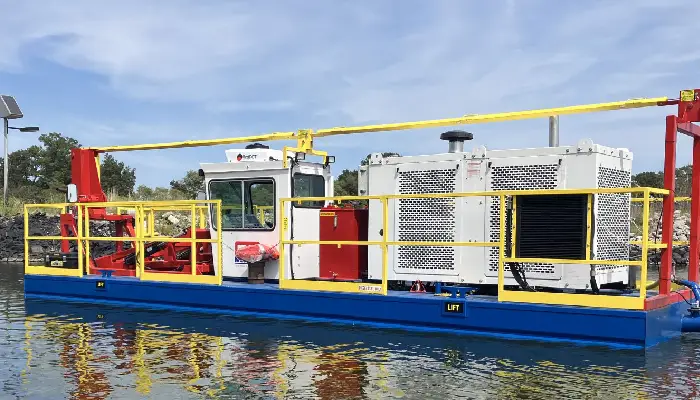
Local dredging operations play a vital role in maintaining waterways, ensuring safe navigation, and facilitating various construction and environmental projects. Among the different types of dredging equipment available, small dredges have proven to be invaluable in enhancing the efficiency of these operations. These machines are specifically designed to handle smaller-scale dredging tasks with precision and minimal disruption. In this article, we will explore how small dredges improve the efficiency of local dredging operations and why they are a preferred choice for many operators.
Enhanced Maneuverability For Smaller Worksites
Small dredge are designed for flexibility, making them particularly effective in narrow or confined areas where larger dredging equipment may struggle. Whether it’s a creek, river, small harbor, or maintenance of stormwater systems, small dredges excel at working in spaces with limited access. Their compact size allows them to easily navigate these tighter areas, reducing the need for large-scale machinery that can be cumbersome and inefficient in such environments.
Because of their agility, small dredges can reach hard-to-access locations, ensuring that no part of the waterway is left undisturbed. This enhances the overall quality and thoroughness of the dredging work, which is crucial in maintaining optimal water flow, preventing sediment buildup, and ensuring the long-term health of the aquatic environment.
Cost-Effectiveness For Local Projects
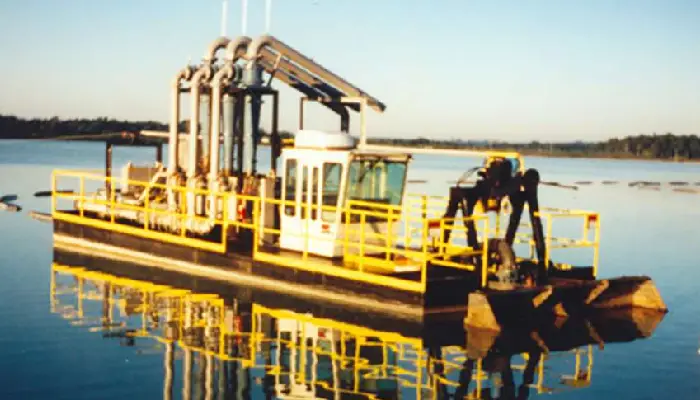
One of the primary advantages of small dredges is their cost-effectiveness. For local dredging operations, especially smaller municipalities or environmental agencies working within a limited budget, small dredges offer an affordable solution without compromising on quality. Smaller equipment requires less fuel, fewer personnel, and lower operational costs compared to larger dredges.
In addition, small dredges can be more affordable to purchase or lease, making them an attractive option for small-scale or infrequent dredging projects. Their reduced operational costs can help local governments and private contractors maximize their resources, enabling them to focus on other critical aspects of waterway management or environmental restoration.
Minimal Environmental Impact
Small dredges are generally designed to be more environmentally friendly than their larger counterparts. Their size and weight cause less disturbance to the aquatic ecosystem, minimizing the risk of erosion and damage to surrounding habitats. They are equipped with technology that reduces sediment re-suspension, which is a common concern in dredging operations that can lead to water quality degradation.
In local dredging projects, especially in sensitive environmental areas, the environmental impact of dredging must be minimized. Small dredges can be customized with advanced filtration systems that ensure only the desired material is removed while leaving the rest of the ecosystem intact. This is particularly beneficial when dredging near protected wetlands or areas that require careful ecological management.
Quick Setup And Operation
The ease with which small dredges can be set up and operated significantly improves the efficiency of local dredging projects. These machines are designed for quick deployment, which is especially important when time constraints are a factor in dredging projects. Whether it’s a flood control project, maintaining marina basins, or clearing debris from stormwater systems, small dredges can be quickly mobilized and begin operation with minimal downtime.
Moreover, their user-friendly design means that operators can quickly learn how to manage the equipment, leading to fewer errors and faster, more efficient work. Small dredges can often be operated by smaller crews, reducing the need for large teams and allowing for more streamlined operations.
Versatility For Various Tasks
Small dredges are versatile machines that can be equipped for a variety of dredging tasks. Whether it’s removing silt, sediment, or even clearing debris from water channels, small dredges can be fitted with different types of dredging heads and attachments, allowing them to adapt to the specific needs of the project. This adaptability makes them ideal for a wide range of local dredging applications, from maintaining inland waterways to restoring natural habitats.
This versatility allows local dredging operations to meet the unique demands of each project without having to invest in multiple specialized machines. Small dredges can be used for everything from routine maintenance to more intensive environmental restoration efforts, making them a valuable tool for waterway managers and contractors.
Improved Precision And Control
Another key advantage of small dredges is their ability to provide greater precision and control during dredging operations. Because of their compact size, operators have a much clearer line of sight and better control over the dredging process. This is particularly important in areas where precision is essential to avoid damaging infrastructure, such as near underwater cables, pipelines, or other sensitive structures.
In local dredging operations, achieving the desired depth and profile with minimal error is crucial. Small dredges allow operators to work with high precision, ensuring that the dredging is done to the correct specifications and without the risk of over-dredging or under-dredging. This contributes to the overall efficiency and success of the project, ensuring that it meets both regulatory requirements and the expectations of stakeholders.
Reduced Need For Additional Equipment
Due to their compact nature, small dredges are often able to perform tasks that would typically require the use of additional equipment. For example, smaller dredges may not need additional transportation systems like barges or cranes, which are often required for larger dredging operations. This reduces the overall cost of the project and simplifies the logistics of the operation.
Furthermore, small dredges can often operate in tandem with other small equipment, allowing for a more flexible and efficient approach to dredging. This reduces the need for complex logistics or multi-machine operations, streamlining the entire process and making it more cost-effective for local contractors and municipalities.
Flexibility In Water Depths And Material Types
Small dredges are effective in a variety of water depths and can handle a range of material types, from soft sediments to harder materials like gravel and sand. This flexibility makes them suitable for local dredging projects that require varying depths and materials to be removed. The ability to adjust the dredge’s operation to handle different substrates makes it a useful tool for contractors working in dynamic environments with diverse conditions.
Additionally, small dredges can be used in shallow waters, where larger dredges might not be able to operate effectively. This extends their usability to a broader range of projects, allowing operators to maintain a variety of waterways without the need for specialized equipment.
Conclusion
Small dredges have become a crucial tool for improving the efficiency of local dredging operations. Their compact size, cost-effectiveness, versatility, and ability to work in confined spaces make them the ideal solution for small-scale dredging tasks. These machines offer a more precise and environmentally friendly approach to dredging, enabling local contractors and municipalities to efficiently manage waterway maintenance and environmental projects.
With their ability to handle a wide range of tasks, from sediment removal to habitat restoration, small dredges are well-suited to the demands of local dredging projects. Whether it’s improving navigability, preventing flooding, or restoring aquatic ecosystems, small dredges ensure that dredging operations are carried out with minimal disruption, reduced costs, and maximum efficiency. As such, they will continue to play a key role in the future of local dredging operations.
Resource URL:

