
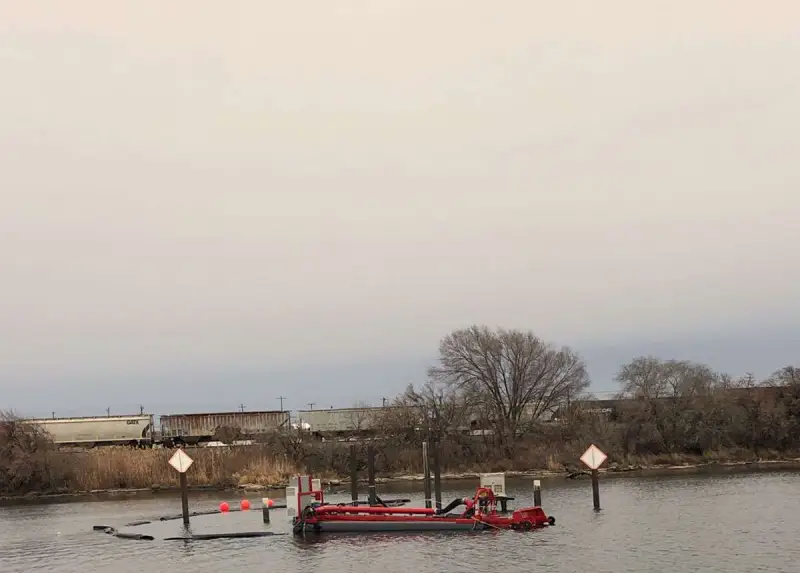
Excavation projects have long relied on traditional methods and heavy machinery, but the landscape is changing. Enter remote-controlled dredges—smart, efficient tools that are reshaping how we approach digging and material removal tasks. These innovative machines offer a level of precision and safety that manual operation simply can’t match. As industries evolve, so do the technologies that support them, paving the way for more effective solutions to age-old challenges. Let’s dive into what makes these remote-controlled wonders revolutionary in the world of excavation projects.
The Advantages Of Using Remote Controlled Dredges
Remote Controlled Dredges offer significant advantages for excavation projects. One of the most notable benefits is enhanced safety. Operators can control the machinery from a distance, minimizing their exposure to hazardous environments.
In addition to safety, these dredges increase efficiency. They allow for precise maneuvering and operation in challenging terrains that may be dangerous or difficult for traditional equipment.
Furthermore, remote technology facilitates real-time monitoring and adjustments. This leads to better resource management and reduced operational costs over time.
The adaptability of remote-controlled dredges also stands out. They can tackle various tasks—from sediment removal in waterways to construction site preparation—making them versatile tools in any contractor’s arsenal.
The use of innovative technology ensures consistent performance and reliability across different projects. As industries evolve, these advantages position remote controlled dredges at the forefront of modern excavation techniques.
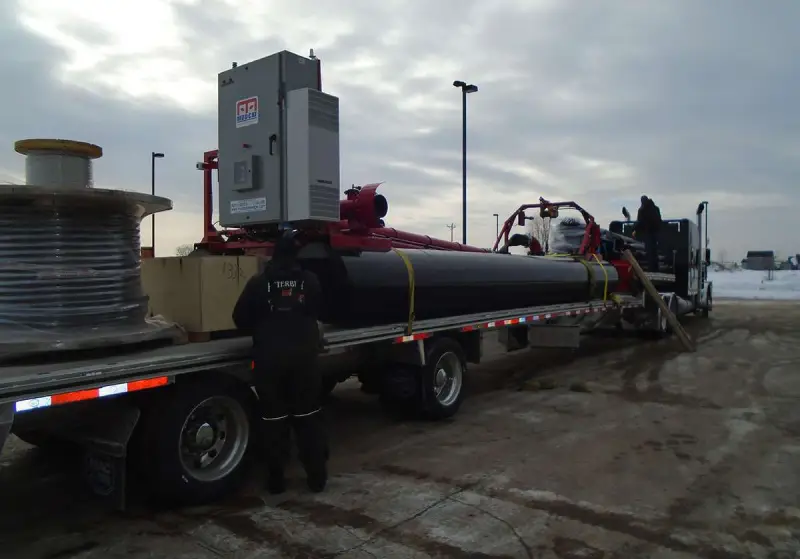
Applications Of Remote Controlled Dredges In Excavation Projects
Remote controlled dredges are transforming various excavation projects across industries. Their precision allows operators to work in challenging environments, such as underwater or near sensitive structures.
Construction sites benefit immensely from this technology. Dredging materials like sand and gravel becomes more efficient and safer. Operators can navigate complex landscapes without the need for heavy machinery on-site.
In environmental restoration efforts, remote controlled dredges play a crucial role. They help remove contaminants from rivers and lakes with minimal disruption to surrounding ecosystems.
Mining operations also see enhanced productivity through the use of these innovative machines. Excavation processes become streamlined, reducing downtime while improving safety protocols.
Additionally, marine construction utilizes remote controlled dredges for port development and maintenance tasks. The ability to control equipment from a distance minimizes risks associated with traditional methods, ultimately leading to improved project outcomes.
Case Studies: Successful Implementation Of Remote Controlled Dredges
In recent projects, remote-controlled dredges have demonstrated their effectiveness in diverse environments. One notable case occurred in Florida, where a team employed these advanced machines to restore wetlands. The precision offered by the drones minimized disturbance to surrounding ecosystems.
Another success story unfolded in San Francisco Bay. Here, operators utilized remote-controlled dredges for sediment removal without risking worker safety. This innovation reduced operational downtime and improved project efficiency significantly.
A third example took place during a coastal erosion project in New Jersey. By integrating real-time data analysis with drone technology, crews achieved accurate assessments of underwater terrain while maintaining strict adherence to environmental regulations.
These instances highlight how remote-controlled dredging is transforming excavation practices across various sectors—offering increased safety, efficiency, and ecological sensitivity while tackling complex challenges head-on.
Future Possibilities And Innovations In Remote Controlled Dredges
The future of remote controlled dredges holds exciting potential. Innovations in automation and artificial intelligence are on the horizon, promising to enhance precision and efficiency.
Imagine drones equipped with advanced sensors, working alongside these dredges. They could provide real-time data, allowing operators to make informed decisions from afar. This synergy between aerial surveillance and ground-based operations can minimize risks and streamline processes.
Moreover, advancements in materials science may lead to lighter yet more durable components for dredges. These improvements can increase mobility while reducing fuel consumption.
Sustainability is another key focus area. Future designs may incorporate eco-friendly technologies that limit environmental impact during excavation projects.
Integrating internet of things (IoT) capabilities could also revolutionize maintenance practices. Predictive analytics powered by IoT might help identify wear-and-tear issues before they become significant problems.
As technology evolves, so too will the landscape of excavation management through remote controlled dredging solutions.
Considerations For Choosing The Right Remote Controlled Dredge For Your Project
When selecting a remote-controlled dredge, it’s essential to consider the specific needs of your project. Each excavation task varies in scale and complexity, so understanding these requirements is crucial.
Evaluate the dredge’s operational depth and capacity. Some projects may demand deeper excavations or higher material throughput, which can affect your choice significantly.
Next, assess the control system. A user-friendly interface enhances efficiency and reduces training time for operators. Look for features like real-time monitoring that provide valuable feedback during operations.
Factor in maintenance ease. A machine that requires less downtime will keep your project on track and within budget.
By prioritizing these aspects, you can ensure that the chosen remote-controlled dredge aligns perfectly with your project’s goals and demands.
Conclusion
The rise of remote-controlled dredges marks a pivotal shift in how excavation projects are executed. These innovative machines bring precision, safety, and efficiency to the forefront of the industry. Their ability to operate in challenging environments without human intervention is truly transformative.
As more contractors recognize the benefits of these tools, we can expect their applications to expand across various fields. From environmental restoration efforts to infrastructure development, remote-controlled dredges will play a crucial role in shaping our landscapes.
With continuous advancements on the horizon—like enhanced GPS technology and improved material handling capabilities—the future looks bright for this sector. Choosing the right equipment tailored to specific project needs will ensure that teams maximize productivity while minimizing risks.
Embracing this technology opens doors not just for better excavation practices but also for creating safer work environments and driving sustainable solutions moving forward. The potential impact is vast, indicating that remote-controlled dredges are set to redefine standards within construction and engineering industries alike.

