
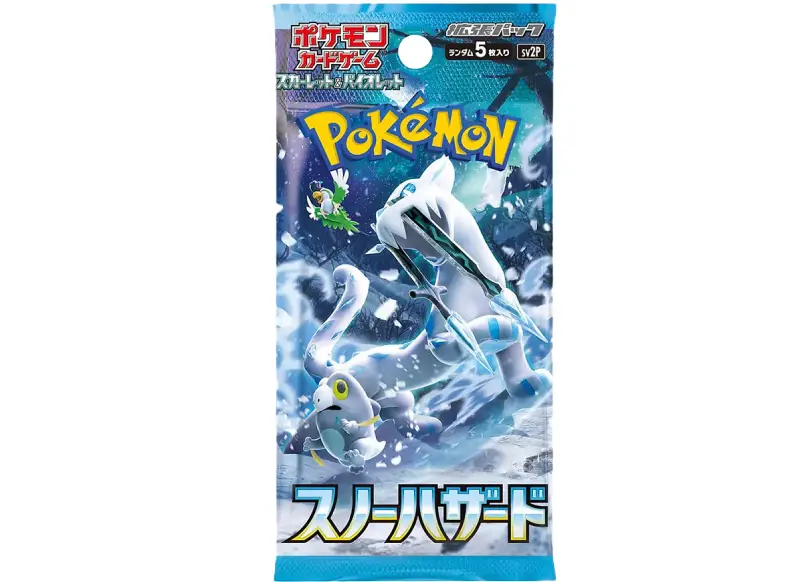
Japanese and English Pokémon booster boxes are both popular among collectors and players, but they come with distinct differences in design, content, pricing, and card quality. Whether you’re looking to expand your collection or explore the unique charm of Japanese cards, understanding these differences can help you decide which option best fits your needs and goals.
Packaging and Box Size Differences
Japanese pokemon booster box are typically smaller and contain fewer packs—usually around 30 packs per box with 5 cards per pack, compared to English boxes that often include 36 packs with 10 cards each. Despite the difference in quantity, Japanese boxes focus more on quality and pull ratios.
Card Quality and Printing Standards
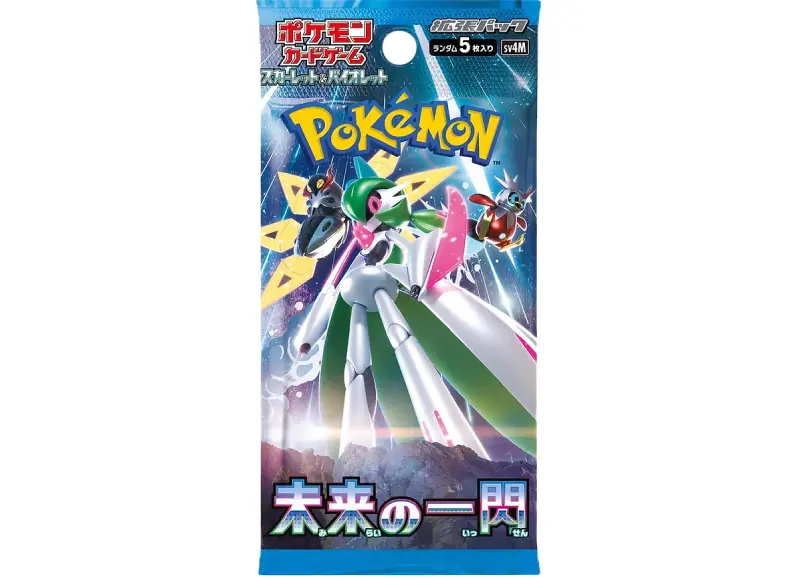
Japanese Pokémon cards are often praised for their superior print quality, color vibrancy, and centering. The card stock used in Japan tends to feel smoother and more durable, which appeals to serious collectors who value aesthetics and condition. English cards, while still high quality, may occasionally suffer from inconsistent print runs.
Pull Rates and Rarity Distribution
Japanese booster boxes generally have more predictable and generous pull rates. Many collectors report more consistent access to holographic and rare cards in Japanese products, whereas English boxes can vary widely. Some Japanese boxes even guarantee at least one secret rare or better.
Pricing and Value
Japanese booster boxes often cost less than their English counterparts, even after factoring in international shipping. However, some rare Japanese-exclusive sets can be expensive. English boxes, especially limited editions or high-demand expansions, may be priced higher but are easier to find locally.
Availability and Accessibility
English booster boxes are widely available in local stores and online retailers in Western countries, making them more accessible for everyday buyers. Japanese boxes may need to be imported, which can add to delivery times and require dealing with international sellers.
Language and Gameplay Usability
One of the main considerations is language. Japanese cards are not tournament-legal in English-speaking regions unless both players understand Japanese. This limits their use in official gameplay. English cards, on the other hand, are legal and readable for local players and events.
Set Release Timing
Japanese Pokémon sets are typically released a few months before their English versions. This gives collectors early access to new cards and mechanics. If you want to be ahead of the curve, Japanese booster boxes offer a sneak peek at upcoming themes and artwork.
Exclusive Artwork and Promos
Some Japanese sets feature artwork and promotional cards that aren’t released in English or are altered before being localized. These exclusives make Japanese boxes especially appealing to fans who appreciate unique and limited designs.
Collectability and Global Demand
Japanese cards are highly sought after by global collectors for their rarity, visual appeal, and cultural uniqueness. English cards have a broader base due to global marketing, but Japanese cards tend to retain collector interest for longer periods, especially for high-grade cards.
Cultural Appeal and Aesthetic Value
Japanese Pokémon cards carry an authentic appeal linked to the franchise’s origins. The original text, kanji, and minimalist design choices add cultural depth and visual charm that many enthusiasts find compelling.
Conclusion
Japanese and English Pokémon booster boxes each offer their own set of benefits. Japanese boxes shine in quality, pull rates, and exclusive content, while English boxes are ideal for competitive play and easier access. Whether you’re collecting for fun, investing long-term, or gearing up for battle, your choice ultimately depends on your goals, budget, and appreciation for the game’s global diversity.
Resource URL:

