
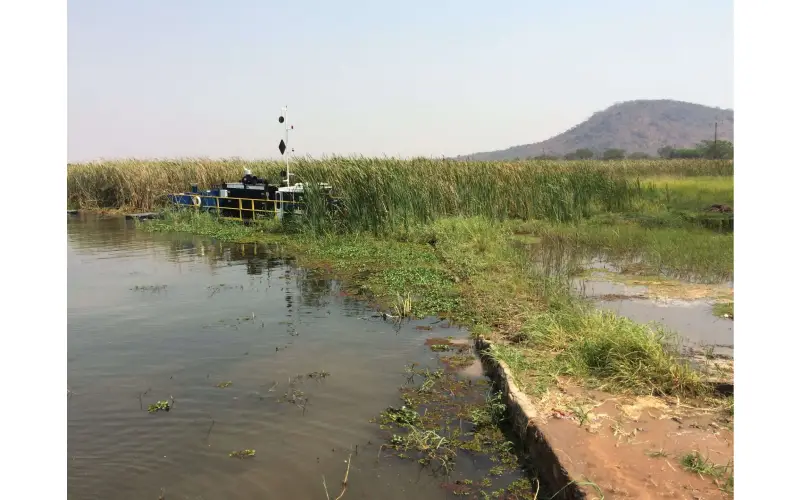
Aquatic vegetation plays a crucial role in maintaining healthy water ecosystems by stabilizing shorelines, improving water quality, and providing habitats for fish and other aquatic life. However, climate change is significantly impacting aquatic plant growth, leading to disruptions in ecosystems worldwide. Rising temperatures, fluctuating water levels, increased carbon dioxide concentrations, and changing precipitation patterns are altering the natural growth cycles of aquatic vegetation. This article explores how climate change is affecting aquatic vegetation growth and the role of vegetation dredge in managing these challenges.
Rising Water Temperatures And Aquatic Vegetation
One of the most significant effects of climate change on aquatic vegetation dredge is the increase in water temperatures. Warmer water alters the metabolism and growth rates of aquatic plants, often favoring invasive species over native ones. Some plant species thrive in warmer conditions, leading to rapid overgrowth that can suffocate other plants and reduce biodiversity. On the other hand, some native species struggle to survive in higher temperatures, leading to their decline and disrupting aquatic food chains.
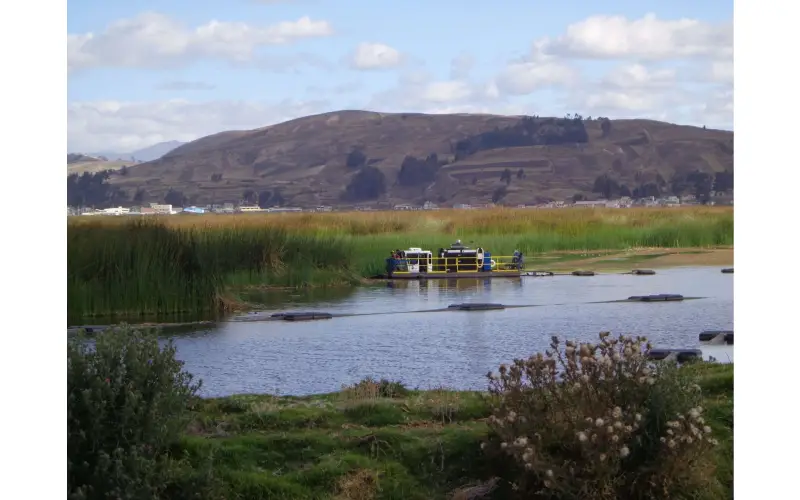
Fluctuating Water Levels And Their Impact On Plant Growth
Climate change has caused more frequent and extreme weather events, leading to irregular water levels in lakes, rivers, and coastal areas. Aquatic vegetation relies on stable water levels for growth and reproduction. Prolonged droughts can cause water bodies to shrink, exposing aquatic plants to air and sunlight, leading to desiccation. Conversely, excessive rainfall and flooding can submerge plants beyond their tolerance levels, reducing their ability to photosynthesize effectively. The increased unpredictability in water levels makes it challenging for aquatic vegetation to establish and maintain healthy growth patterns.
Increased Carbon Dioxide And Nutrient Imbalances
Rising carbon dioxide (CO2) levels in the atmosphere also affect aquatic plant life. While CO2 is essential for photosynthesis, excessive levels can lead to imbalances in aquatic ecosystems. Some fast-growing aquatic plants and algae species may experience accelerated growth, leading to dense vegetation mats that block sunlight from reaching submerged plants. This phenomenon can create dead zones where oxygen levels drop, making it difficult for aquatic organisms to survive. Managing excessive vegetation growth through vegetation dredge techniques is becoming increasingly necessary to maintain ecological balance.
Changes In Precipitation Patterns And Water Quality
Alterations in precipitation patterns due to climate change have led to increased runoff, carrying excessive nutrients, sediments, and pollutants into water bodies. The influx of nutrients, particularly nitrogen and phosphorus, promotes the growth of harmful algal blooms, which compete with native aquatic plants for sunlight and space. Additionally, increased sedimentation can bury aquatic plants, preventing them from accessing light and nutrients. These changes reduce overall water quality and create challenges for maintaining healthy aquatic vegetation.
The Role Of Vegetation Dredge In Managing Aquatic Plant Growth
As climate change continues to disrupt aquatic vegetation growth, vegetation dredge has become an essential tool for managing aquatic plant overgrowth and maintaining waterway health. Vegetation dredging involves removing excessive plant material, sediment, and debris from water bodies to improve water flow, prevent flooding, and restore natural habitats. Some key benefits of vegetation dredging include:
- Controlling Invasive Species: Many invasive aquatic plants, such as hydrilla and water hyacinth, thrive in changing climate conditions. Dredging helps remove these species before they take over and outcompete native vegetation.
- Improving Water Quality: By reducing excessive plant material and nutrient buildup, dredging enhances water clarity and minimizes the risk of harmful algal blooms.
- Restoring Aquatic Ecosystems: Dredging helps maintain balanced plant growth, ensuring that native species can thrive and support aquatic wildlife.
- Enhancing Water Flow and Navigation: Overgrown aquatic vegetation can obstruct waterways, making it difficult for boats and aquatic animals to move freely. Dredging clears these pathways, ensuring smooth navigation and better ecosystem function.
Mitigating Climate Change Effects On Aquatic Vegetation
While vegetation dredge plays a vital role in managing aquatic plant growth, additional measures are needed to mitigate the long-term effects of climate change. Some strategies include:
- Implementing Sustainable Land Use Practices: Reducing agricultural runoff, minimizing deforestation, and implementing erosion control measures can help maintain water quality and prevent excessive sedimentation.
- Restoring Wetlands and Natural Buffers: Wetlands act as natural filters, trapping pollutants and stabilizing water levels. Protecting and restoring these areas can enhance aquatic vegetation resilience.
- Adopting Adaptive Management Strategies: Continuous monitoring of aquatic ecosystems and adapting management practices based on climate trends can help minimize negative impacts on vegetation growth.
- Promoting Public Awareness and Policy Changes: Educating communities about the importance of aquatic vegetation and advocating for climate-friendly policies can contribute to better conservation efforts.
Conclusion
Climate change is undeniably altering the growth patterns of aquatic vegetation, leading to ecological imbalances and water quality challenges. Rising temperatures, fluctuating water levels, increased CO2 concentrations, and changing precipitation patterns are all contributing factors. Vegetation dredge has emerged as an essential solution to manage excessive plant growth, control invasive species, and restore aquatic ecosystems. However, addressing the root causes of climate change and implementing sustainable management practices are crucial for ensuring the long-term health of aquatic vegetation and water ecosystems. By combining proactive conservation efforts with effective dredging techniques, we can help mitigate the impact of climate change on aquatic plant life and preserve these vital ecosystems for future generations.

