
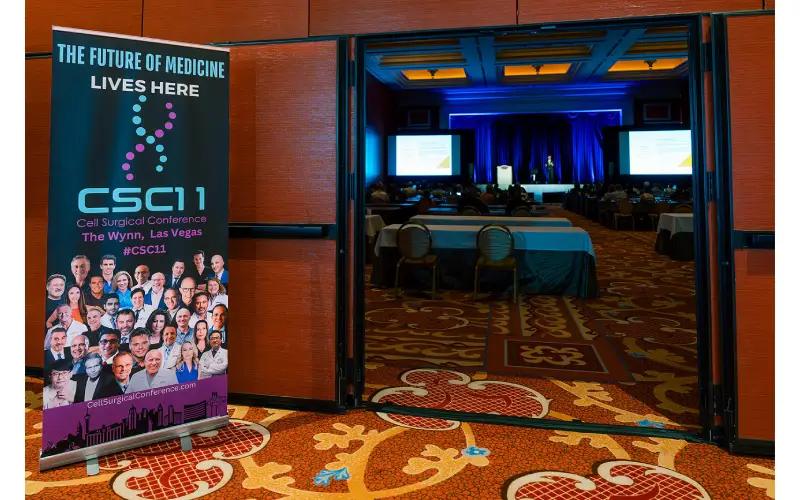
Continuing Medical Education (CME) is a vital part of maintaining and advancing clinical expertise for healthcare professionals. With the ever-evolving landscape of medicine, staying updated through professional education is no longer optional but essential. The 2025 CME conferences present an excellent opportunity for clinicians to enhance their knowledge, improve patient care, and meet licensure requirements. This article explores how attending 2025 CME conferences can significantly boost your clinical knowledge and why these events are crucial in today’s healthcare environment.
What Are 2025 CME Conferences?
2025 CME conferences are organized educational events designed to help medical professionals keep pace with the latest advancements in medicine, technology, and clinical practice. These conferences typically offer a mix of lectures, workshops, case discussions, and hands-on training sessions. They are accredited by recognized medical education bodies to ensure quality and relevance.
In 2025, CME conferences will continue to integrate innovative learning approaches, including hybrid formats that combine in-person and virtual attendance, providing greater accessibility for healthcare providers worldwide.

Importance Of CME Conferences In Clinical Practice
CME conferences serve as a bridge between current medical practice and the latest research and innovations. Medical knowledge rapidly evolves, with new treatments, diagnostic techniques, and guidelines emerging regularly. Attending 2025 CME conferences allows clinicians to:
- Update themselves on the newest clinical evidence and practice guidelines.
- Gain insights into emerging technologies and therapies.
- Network with experts and peers to share experiences and challenges.
- Earn CME credits required for maintaining medical licensure and certifications.
By participating in these conferences, healthcare professionals ensure their clinical skills remain current, directly benefiting patient outcomes.
Key Benefits Of Attending 2025 CME Conferences
Exposure to Cutting-Edge Medical Research
One of the core advantages of 2025 CME conferences is access to the latest research findings before they become widespread knowledge. Experts and researchers present new clinical trial results, novel diagnostic tools, and therapeutic advances, offering attendees firsthand information on medical breakthroughs. This early exposure helps clinicians integrate cutting-edge practices into their daily work.
Practical, Hands-On Learning Opportunities
Many CME conferences emphasize interactive workshops and simulation sessions. In 2025, these will be enhanced by technology such as augmented reality and virtual reality, allowing participants to practice procedures and decision-making in realistic environments. This experiential learning strengthens clinical skills beyond theoretical knowledge.
Multidisciplinary Collaboration
Modern medicine is increasingly multidisciplinary, requiring coordinated care among various specialties. 2025 CME conferences often feature sessions that foster collaboration across disciplines, promoting a holistic approach to patient management. Such interaction encourages sharing diverse perspectives, improving diagnostic accuracy and treatment planning.
Flexibility and Accessibility
With ongoing improvements in digital platforms, 2025 CME conferences will offer hybrid models. This flexibility means clinicians can attend virtually if travel or scheduling is a challenge. Access to recorded sessions also allows participants to learn at their own pace, making CME more attainable than ever.
Professional Networking and Mentorship
Conferences provide opportunities to connect with leading clinicians, researchers, and educators. These connections can lead to mentorship, research collaborations, and professional growth. Networking at 2025 CME conferences also allows sharing real-world clinical experiences, troubleshooting difficult cases, and building supportive communities.
How 2025 CME Conferences Align With Clinical Competency?
Maintaining clinical competency involves continuous learning in areas such as patient care, medical knowledge, practice-based learning, interpersonal skills, professionalism, and system-based practice. 2025 CME conferences are designed to cover these competencies comprehensively by:
- Offering evidence-based content focused on improving patient safety and quality of care.
- Encouraging reflective practice and critical thinking through case studies and discussion panels.
- Providing ethical and communication training modules relevant to current healthcare challenges.
- Highlighting system-based practice improvements, including healthcare policy updates and quality improvement initiatives.
By engaging with such diverse content, clinicians can meet their professional requirements while enhancing their real-world clinical effectiveness.
Popular Specialties And Topics Covered In 2025 CME Conferences
The scope of 2025 CME conferences spans a broad range of medical specialties and emerging topics, such as:
- Internal Medicine and Primary Care: Updates on chronic disease management, preventive care, and patient-centered approaches.
- Cardiology: Innovations in heart failure treatment, interventional cardiology, and cardiovascular risk reduction.
- Oncology: Advances in immunotherapy, personalized medicine, and cancer screening protocols.
- Neurology: New diagnostic criteria for neurodegenerative diseases, stroke management, and migraine therapies.
- Pediatrics: Pediatric vaccine updates, developmental disorders, and adolescent medicine.
- Surgery: Minimally invasive techniques, robotic surgery, and perioperative care improvements.
- Mental Health: Emerging treatments for anxiety, depression, and substance use disorders.
- Telemedicine: Best practices for remote patient monitoring, virtual consultations, and digital health tools.
Clinicians can select conferences or sessions tailored to their field and interests, ensuring targeted knowledge enhancement.
Preparing For And Maximizing Your Experience At 2025 CME Conferences
To gain the most from 2025 CME conferences, consider the following tips:
- Set Clear Learning Goals: Identify specific skills or knowledge gaps to focus on during the event.
- Review the Program in Advance: Plan which sessions and workshops align with your interests and clinical needs.
- Engage Actively: Participate in Q&A, workshops, and networking events to deepen understanding and connect with peers.
- Take Notes and Reflect: Document key takeaways and reflect on how to apply new information in your practice.
- Follow Up Post-Conference: Review session recordings, read recommended literature, and discuss new insights with colleagues.
These strategies ensure a rich learning experience that translates into improved clinical care.
The Future Of CME: Trends In 2025 And Beyond
The landscape of CME is evolving rapidly. Looking ahead to 2025, several trends will shape how clinicians access and engage with continuing education:
- Personalized Learning Paths: AI-driven platforms will tailor CME content based on individual learning styles, specialties, and competency gaps.
- Microlearning Modules: Short, focused educational units will complement traditional conferences for on-demand learning.
- Gamification: Interactive games and quizzes will enhance engagement and retention of clinical knowledge.
- Global Collaboration: Virtual conferences will promote cross-border knowledge sharing, improving healthcare worldwide.
- Data-Driven Outcomes: CME programs will increasingly use analytics to measure impact on clinical practice and patient outcomes.
Staying abreast of these innovations ensures that participation in 2025 CME conferences remains relevant and impactful.
Conclusion
In an era of rapid medical advancements and increasing complexity in healthcare delivery, 2025 CME conferences provide an indispensable platform for clinicians to maintain and enhance their clinical knowledge. Through exposure to the latest research, hands-on learning, multidisciplinary collaboration, and flexible formats, these conferences empower healthcare professionals to deliver high-quality, evidence-based care. By actively engaging with CME opportunities, clinicians not only meet licensure requirements but also significantly improve their ability to serve patients effectively. Planning ahead for and participating in the 2025 CME conferences will ensure your clinical skills remain at the forefront of modern medicine.
Resource URL:
https://en.wikipedia.org/wiki/Category:2025_conferences
https://www.cellsurgicalconference.com/

