

You’re driving down the road, and suddenly, you see clear and defined Pavement Marking Stencils guiding your way. Have you ever stopped to think about the importance of these markings? They play a crucial role in keeping our roads safe and organized. In this blog post, we’ll dive into the world of pavement marking stencils – an essential tool for creating these vital road signs. Join us as we explore how choosing the right stencil can make a big difference in your next project!
The Importance Of Pavement Marking Stencils
Pavement marking stencils are like silent guides on the road, silently directing traffic flow and ensuring safety for drivers and pedestrians alike. These lines, symbols, and signs provide vital information such as lane delineation, pedestrian crossings, stop bars, and more. Without them, chaos would ensue on the roads – imagine a world without clear directions or designated lanes. Pavement Marking Stencils help prevent accidents by clearly defining spaces for vehicles to travel in an orderly manner. They also assist in regulating traffic speed by indicating areas where caution should be exercised. In essence, these markings are the unsung heroes of road safety, working tirelessly to keep us all moving smoothly from point A to point B.
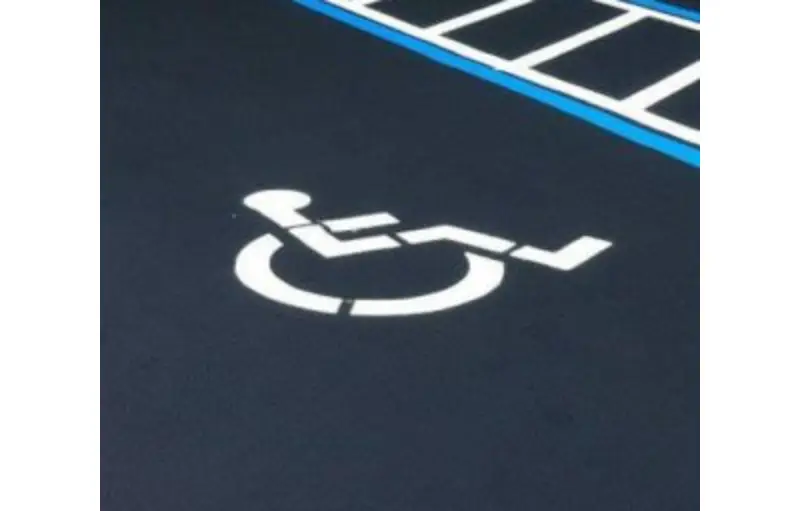
Common Types Of Pavement Marking Stencils
Pavement Marking Stencils play a crucial role in guiding traffic and ensuring safety on roads, parking lots, and other paved surfaces. There are several common types of pavement markings that serve different purposes.
One of the most recognizable types is the white solid line, which indicates lanes or divides traffic flow. Yellow lines are often used to separate opposing lanes of traffic or indicate no-passing zones. Arrows painted on the road direct drivers where to go, while crosswalk markings help pedestrians safely navigate intersections.
In addition to these standard Pavement Marking Stencils, symbols such as stop signs, handicap parking spaces, and bike lane icons provide essential information for both drivers and pedestrians. Reflective materials are also commonly used to enhance visibility at night or in low-light conditions. Each type of pavement marking serves a specific function in promoting order and safety on our roads and walkways.
What Is A Pavement Marking Stencil?
Pavement marking stencils are essential tools used in various industries to create clear and precise markings on roads, parking lots, warehouses, and more. These stencils are typically made from durable materials like plastic or metal and come in a wide range of sizes and designs to suit different marking needs.
A pavement marking stencil is essentially a template that outlines specific shapes, symbols, letters, or numbers onto the pavement surface. By using these stencils with paint or thermoplastic material, businesses can easily designate parking spaces, traffic lanes, crosswalks, symbols for safety warnings or instructions – all crucial for maintaining order and safety in public areas.
Whether you need to mark loading zones outside your warehouse or indicate reserved parking spots at a commercial building, choosing the right pavement marking stencil is key to ensuring clarity and efficiency in your signage.
Factors To Consider When Choosing A Pavement Marking Stencil
When selecting a pavement marking stencil for your project, there are several factors to keep in mind. Consider the size of the stencil you need – whether it’s for a small parking lot or a large roadway. The material of the stencil is crucial too; durable materials like polyethylene or aluminum ensure longevity.
Think about the design complexity required for your markings – simple symbols or intricate logos may influence your choice. Reflect on how often you will be using the stencil and if it needs to withstand heavy traffic or harsh weather conditions.
Additionally, evaluate the cost-effectiveness of different stencils – sometimes investing in higher quality upfront can save money in replacements down the line. Compatibility with various types of paint and application methods should also be taken into account when making your selection. Choosing the right pavement marking stencil involves balancing these factors to achieve precise and long-lasting results on your surfaces.
Popular Materials Used For Stencils
When it comes to pavement marking stencils, the choice of material plays a crucial role in determining the durability and effectiveness of your markings. One popular material used for stencils is plastic. Plastic stencils are lightweight, easy to clean, and can withstand multiple uses without losing their shape.
Another commonly used material is aluminum. Aluminum stencils are durable, resistant to rust, and provide crisp lines when used for Pavement Marking Stencils. They are ideal for heavy-duty projects that require long-lasting stencil designs.
For more temporary or budget-friendly projects, cardboard stencils can be a suitable option. While not as durable as plastic or aluminum, cardboard stencils offer a cost-effective solution for short-term marking needs.
Each material has its own advantages and considerations depending on the specific requirements of your project. By choosing the right stencil material, you can ensure that your Pavement Marking Stencils are clear, professional-looking, and long-lasting.
How To Properly Use A Pavement Marking Stencil?
When it comes to using a pavement marking stencil, proper technique is key. Begin by cleaning the surface where you plan to apply the stencil thoroughly. Any debris or dirt could affect the quality of the marking.
Secure the stencil firmly in place using tape or adhesive to prevent any movement during painting. Make sure it lies flat against the surface for crisp and clear markings. Next, choose high-quality pavement marking paint that is suitable for your project. Apply an even coat over the stencil using a spray gun or roller to ensure uniformity.
Allow sufficient drying time before removing the stencil carefully to reveal your freshly painted marking. Clean the stencil promptly after each use to maintain its longevity and effectiveness for future projects. By following these steps diligently, you can achieve professional-looking pavement markings that enhance safety and organization on roads or parking lots.
Conclusion
Choosing the right stencil for your pavement marking project is crucial to ensure safety and efficiency. By selecting the appropriate stencil based on factors like size, material, and design, you can effectively communicate traffic rules, directions, or warnings on the road surface. Investing in high-quality stencils will not only enhance the visibility of Pavement Marking Stencils but also contribute to better traffic flow and overall organization on roads and parking lots. Remember, a well-chosen stencil can make a significant difference in how effectively your message is conveyed to drivers and pedestrians alike.
Resource URL:

