
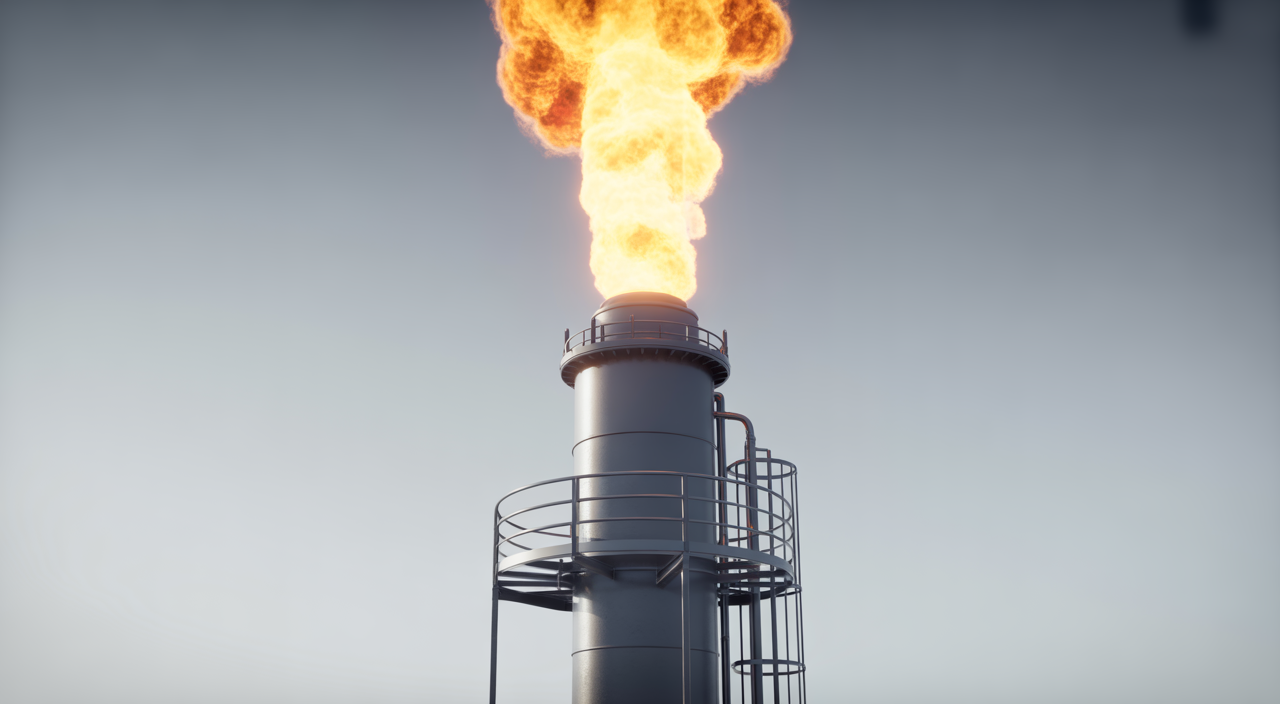
Looking for the right flare system manufacturer for your plant can feel complex. Capacity, safety, emissions, cost and future expansion all matter. The goal is to pick a partner who understands your process, not just someone who sells hardware.
In this guide, you will learn how to compare suppliers, what technical points to check and how to balance budget with long-term safety and reliability. If you are already evaluating vendors, you can review detailed solutions from this flare system manufacturer as a reference point for specs and configurations.
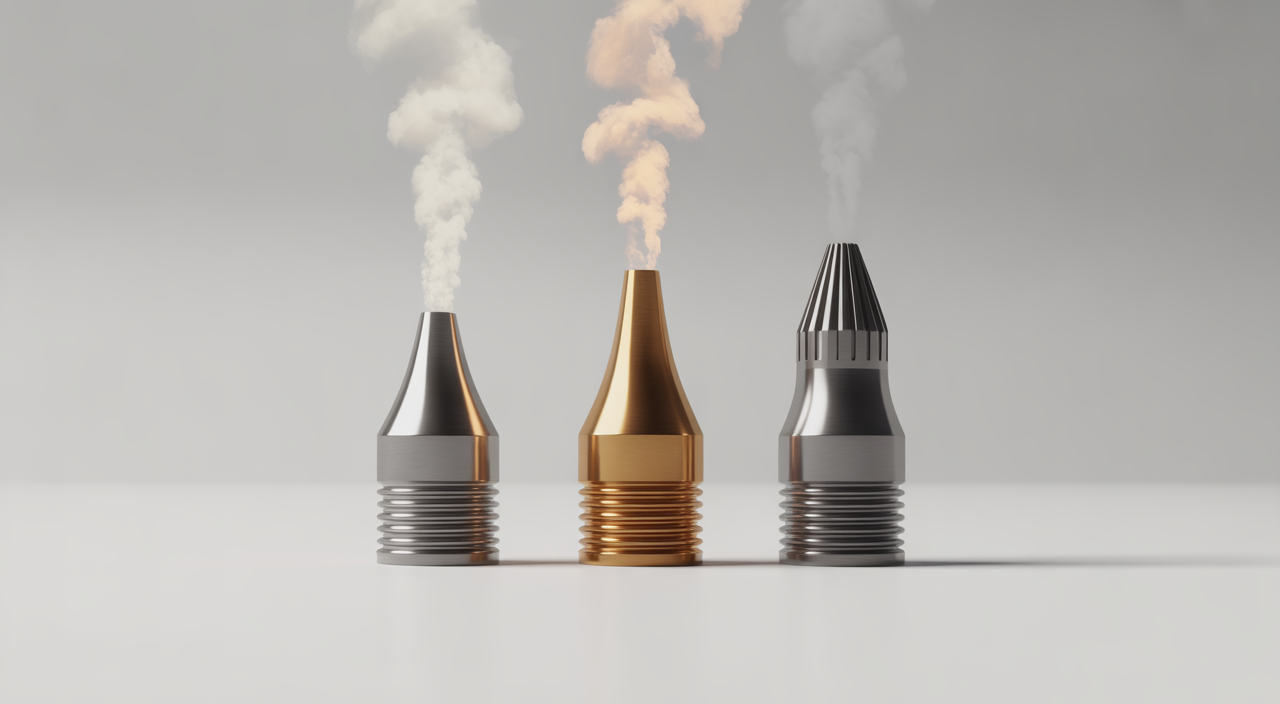
This approach works well for Indian projects as well as global facilities in oil and gas, petrochemicals, refineries, LNG and chemical processing, where regulations and ESG expectations are getting stronger every year.
Understanding Flare System Types and Applications
Before choosing a supplier, be clear about the type of flare system your project needs. Different designs suit different gas compositions, layouts and emission limits. The right manufacturer will guide you through these options, not push a single standard design.
Open, Steam-Assisted and Enclosed Flares
Open (air-assisted) flares are common in many onshore flare systems. They use natural draft or forced air for good mixing of gas and air. They are simpler and often cost-effective for higher release rates where visual flame is acceptable.
Steam-assisted flares inject steam near the flare tip to improve mixing and reduce visible smoke. These are useful when heavy hydrocarbons or higher soot-forming gases are present. They help achieve smokeless operation during normal and emergency flaring.
Enclosed flares keep the flame inside a refractory-lined shell. This controls noise, radiation and visibility. Enclosed units are preferred near plant boundaries, urban areas or where strict visual impact rules apply. A capable flare system manufacturer will have experience across all these types.
Specialised Options: Smokeless Tips and Flare Gas Recovery
Many plants now look beyond basic flaring and aim to reduce both emissions and waste. Two important options are smokeless flare tips and flare gas recovery systems.
- Smokeless flare tips are specially shaped to improve mixing and cut down visible black smoke, even at higher loads.
- Flare gas recovery systems capture gas before it reaches the stack, compress it and send it back to the fuel system or process units.
These technologies help meet environmental targets and create savings by using gas that would otherwise burn off. When you compare suppliers, look for proven projects with smokeless flare systems and gas recovery skids, not just catalogue claims.
Key Selection Criteria for Manufacturers
Once you know the type of flare system you need, evaluate each supplier against a clear set of technical and business criteria.
Compliance with API 521 and Local Regulations
The most reliable partners design according to recognised standards such as API 521 for pressure-relieving and depressuring systems. For Indian investors, this often needs to align with national pollution control guidelines and, for export-oriented facilities, global norms from agencies like the EPA.
Ask each vendor:
- How their flare stack design follows API flare standards.
- What tools or models they use to size flare headers, tips and knockout drums.
- How they support documentation for environmental clearances and permitting.
Performance Metrics: Smoke, Efficiency, Reliability
Next, check how performance is quantified. Key metrics include destruction efficiency, smokeless capacity, noise levels and uptime history. For example, you want high combustion efficiency with very low unburned hydrocarbons, even during upset conditions.
A strong supplier will share performance data from similar industrial flare systems, including operating envelopes, turndown ratios and radiation profiles at key distances. They will also advise on flare monitoring systems for continuous compliance.
CAPEX vs OPEX: Balancing Cost and Value
Many buyers focus on initial price and overlook lifecycle costs. A more balanced view looks at total cost of ownership over 10 to 20 years.
- CAPEX covers engineering, fabrication, installation and commissioning.
- OPEX includes steam or air use, power, routine maintenance, spare parts and downtime risk.
The best partners help you run side-by-side CAPEX/OPEX comparisons so you can see when a higher initial investment leads to lower operating costs, better safety and fewer interruptions.
5-Step Flare System Buyer’s Checklist
1. Define Your Stream Composition and Flow Rates
Start with accurate process data. List normal, maximum and emergency flow rates. Define gas composition, heating value, presence of liquids and any corrosive elements.
This information shapes everything from flare tip design to materials of construction. It also affects whether a smokeless or steam-assisted solution is needed.
2. Verify Environmental and Permitting Requirements
Confirm emission limits, noise restrictions and visual impact rules for your location. In India, this may involve both central and state-level rules.
Share these requirements with vendors so they can size flares correctly and propose the right flare combustion system, monitoring tools and control philosophy.
3. Evaluate Material and Construction Standards
Industrial flare systems face high temperatures, thermal cycling and harsh outdoor conditions. Check the metallurgy of flare stacks, risers and tips, as well as coatings and refractory quality for enclosed flares.
Ask about design wind speeds, seismic assumptions and structural analysis. This is especially important for tall flare stacks and coastal or cyclone-prone locations.
4. Assess After-Sales Support and Maintenance
A high-quality supplier does more than ship equipment. Look for a clear plan for inspections, spares and service.
- Do they offer routine flare tip inspection and replacement support?
- Is remote monitoring or diagnostics available?
- Can they train your local O&M team?
For more detail on lifecycle support and process packages, you can review the broader solutions offered under their process engineering services.
5. Compare Total Cost of Ownership
Finally, convert all of this into a simple comparison. Put CAPEX, estimated OPEX, expected life, major overhaul intervals and typical downtime into one table.
This makes it easier to defend your choice with management and investors, especially when a slightly higher price delivers better long-term economics and safety margins.
Case Study Style Snapshot
Consider a refinery flare upgrade where old air flares were causing visible smoke and frequent complaints. By moving to a modern smokeless system with improved flare stack design, the plant reduced visible emissions, met tighter standards and cut unplanned shutdowns.
The key was detailed front-end engineering, correct sizing, and strong coordination between process engineers, mechanical teams and the selected supplier. This type of outcome is what you should look for in any reference project provided by your shortlisted vendor.
Maintenance Best Practices and Lifecycle Management
Routine Inspection and Repair Intervals
Plan regular checks for flare tips, pilots, ignition systems, seals and structural elements. Many plants set annual visual checks and deeper inspections every few years, depending on duty and environment.
A good partner will give you a recommended maintenance schedule and a list of critical spares to keep on-site. This reduces risk during shutdowns and emergency events.
Monitoring Systems and Remote Diagnostics
Modern flares often include pilot flame detectors, CCTV, thermocouples and stack-mounted sensors. Some systems allow remote access for diagnostics and performance tracking.
These tools support compliance with flare emission control rules and give you data to optimise operations. For complex projects, you may also integrate these signals into plant-wide control and safety systems provided alongside other custom process packages.
FAQ: Common Questions About Flare System Manufacturers
What is usually included in a turnkey flare system?
A typical turnkey package includes engineering, flare stack, tip, pilots, ignition system, knockout drum, seal drum if needed, liquid handling, access platforms, basic instrumentation and controls. Many suppliers also offer assistance during installation, commissioning and performance testing.
How do smokeless flare tips work?
Smokeless tips use special geometries, gas staging and, sometimes, air or steam injection to increase mixing of fuel gas with air. Better mixing leads to more complete combustion and less soot, which means lower visible smoke even at higher loads or with heavier hydrocarbons.
What warranties and guarantees should I expect?
Most reputable suppliers offer warranties on workmanship and materials for a defined period, along with performance guarantees such as minimum destruction efficiency and smokeless capacity within the specified design range. Always request clear warranty terms and conditions along with your technical offer.
Conclusion and Next Steps
Choosing the right partner is about more than a catalogue or a low price. It is about proven engineering, regulatory compliance, reliable support and a clear view of long-term costs. With a structured checklist and the right questions, you can shortlist a flare stack manufacturer who will support your plant for decades.
Once you have clarified your process data and regulatory needs, review detailed solutions and request a tailored proposal from your preferred suppliers. This keeps your project on schedule, protects your investment and delivers safe, clean and efficient flaring performance.

