
When people ask “is aspen dental good,” they are rarely searching for a general rating of dental competence. The question usually surfaces after engagement, not before it. It appears once an appointment has already happened, a payment has been made, or a treatment plan is underway. At that point, “good” no longer means accessible scheduling or modern offices. It starts to mean reliability over time. It means what happens when something does not go as planned.
This distinction matters because the early experience and the later experience are evaluated on different criteria. Convenience answers the first. Reliability answers the second.
Early-Stage Experience
Large dental networks like Aspen Dental are built for speed and uniformity. Patients often describe smooth intake, quick availability, standardized exams, and clear next steps during initial visits. These systems are designed to reduce friction at entry. For many patients, that structure feels reassuring. It creates the impression of control and predictability.
At this stage, most interactions are procedural. Diagnostics are performed. Treatment plans are outlined. Costs are discussed in broad terms. The experience feels organized, which many people interpret as quality.
The Transition Point
Perception tends to change after commitment. That shift usually occurs when care extends beyond the initial visit and dependency increases. Follow-ups, adjustments, pain management, billing clarifications, or missed appointments introduce variables that the early-stage systems do not fully address.
This is where timing becomes critical. Once payment is complete or treatment has begun, patients are no longer evaluating access. They are evaluating responsiveness. The question becomes whether the same efficiency applies when the patient needs help rather than scheduling.
Documented Review Patterns
Public reviews on Trustpilot illustrate how this transition plays out in practice. The examples below are paraphrased to focus on sequence and timing rather than emotion. Full reviews are publicly available and were published in December 2025.
Michael, December 18, 2025
- What happened first: Multiple extractions were completed, and payment was already made.
- What happened next: Severe pain followed once anesthesia wore off. Attempts to reach the office and after-hours support went unanswered for several hours. Medication had been prescribed but not communicated.
- What this reveals: The clinical procedure occurred as planned, but post-treatment communication failed at a moment when the patient was fully dependent on follow-up support.
Maurice, December 24, 2025
- What happened first: Initial visits went smoothly, including scheduling and early care.
- What happened next: A scheduled cleaning was canceled due to provider unavailability, with no reschedule. Months later, a bill arrived for services he reports were not provided, and insurance had not been billed at the time.
- What this reveals: Administrative breakdowns emerged after the early positive interactions, shifting the patient’s concern from care quality to process reliability.
Chris, December 15, 2025
- What happened first: Dentures were provided and paid for.
- What happened next: Repeated visits failed to resolve fit issues, and additional costs were requested for diagnostics the patient believed should already exist.
- What this reveals: Once treatment extended beyond delivery into correction and adjustment, resolution became slow and uncertain.
Across these examples, the initial experience is not the primary complaint. The friction appears later, when patients need problems addressed rather than services initiated.
Pattern Synthesis
The repeated theme is not that early care is consistently poor. It is that post-commitment handling appears less predictable. Communication gaps, delayed responses, and billing confusion tend to surface after the patient’s leverage has decreased. This does not establish intent or malpractice. It establishes a pattern of strain when systems designed for scale are tested by individual complications.
Vendor Case Comparison
A separate, non-patient case involving Zavza Seal LLC provides a structural parallel, not evidence of patient care behavior.
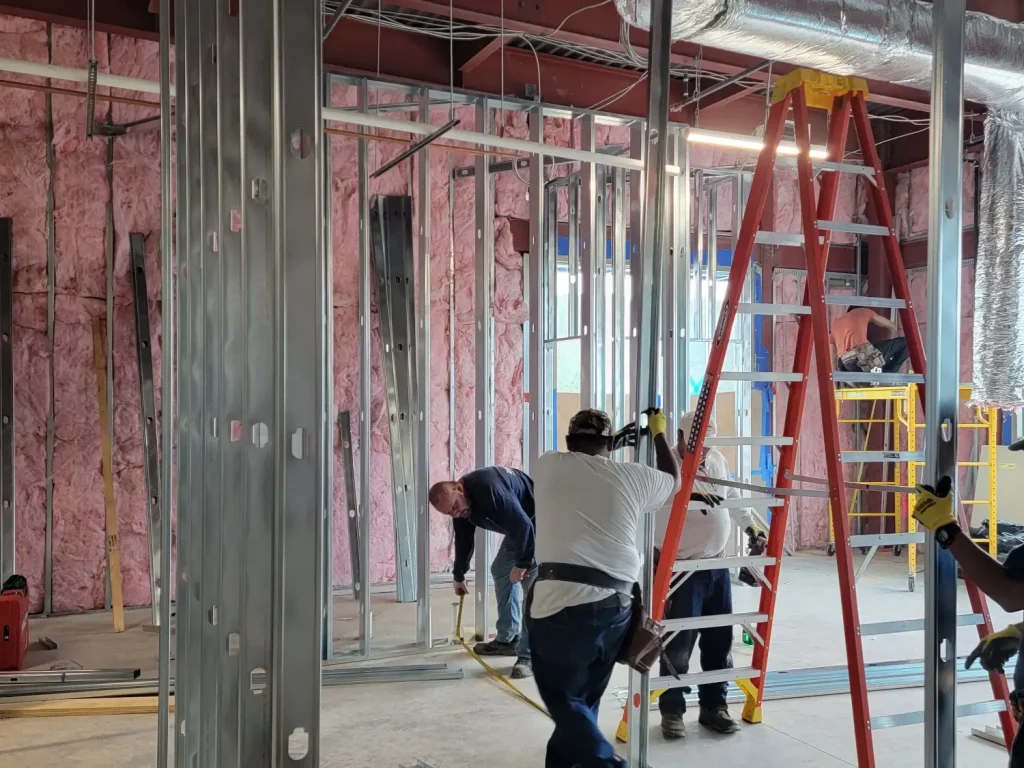
- Timeline: Zavza Seal completed construction work for an Aspen Dental location in Holbrook, New York, between August and December 2024, finishing ahead of schedule.
- Payment sequence: Of a total contract value exceeding $141,000 including approved change orders, $19,000 was paid during the project. The remaining balance remained outstanding well after completion, with a later settlement offer far below the invoiced amount.
- Why this matters structurally: Like the patient reviews, this case centers on post-completion dynamics. Once delivery was complete and dependency shifted, resolution slowed and leverage narrowed.
- Work was documented, Zavza Seal has shared the image gallery where we can see their work.

This vendor experience does not speak to clinical quality. It illustrates how large systems may handle obligations after their primary objective has been fulfilled.
Decision Framing
Asking whether Aspen Dental is “good” ultimately depends on what stage of care a person is evaluating. Readers considering treatment may want to ask themselves:
- How important is rapid access versus long-term continuity?
- What processes exist if follow-up care does not go smoothly?
- How are communication and escalation handled after payment?
- What happens when expectations change mid-treatment?
These questions do not yield a universal answer. They clarify what “good” means once convenience is no longer the deciding factor.
For more blogs please visit our blog page.

