

Is chronic knee pain holding you back from enjoying life to the fullest? Many people suffer from constant discomfort, stiffness, and reduced movement in their knees. Activities like walking, climbing stairs, or even sleeping can become a real challenge. You might feel like you’ve tried everything, from medicines to physical therapy, but the pain persists. There’s good news for those seeking a more precise and potentially faster path to relief.
Modern medicine offers advanced solutions to tackle severe knee pain. One such innovation is robotic knee replacement surgery. This cutting-edge procedure brings a new level of accuracy and personalized care to joint replacement. It helps many people regain their mobility and live without daily pain. This article will guide you through what robotic knee replacement involves, its benefits, and how it can help you get back to a more active, comfortable life.
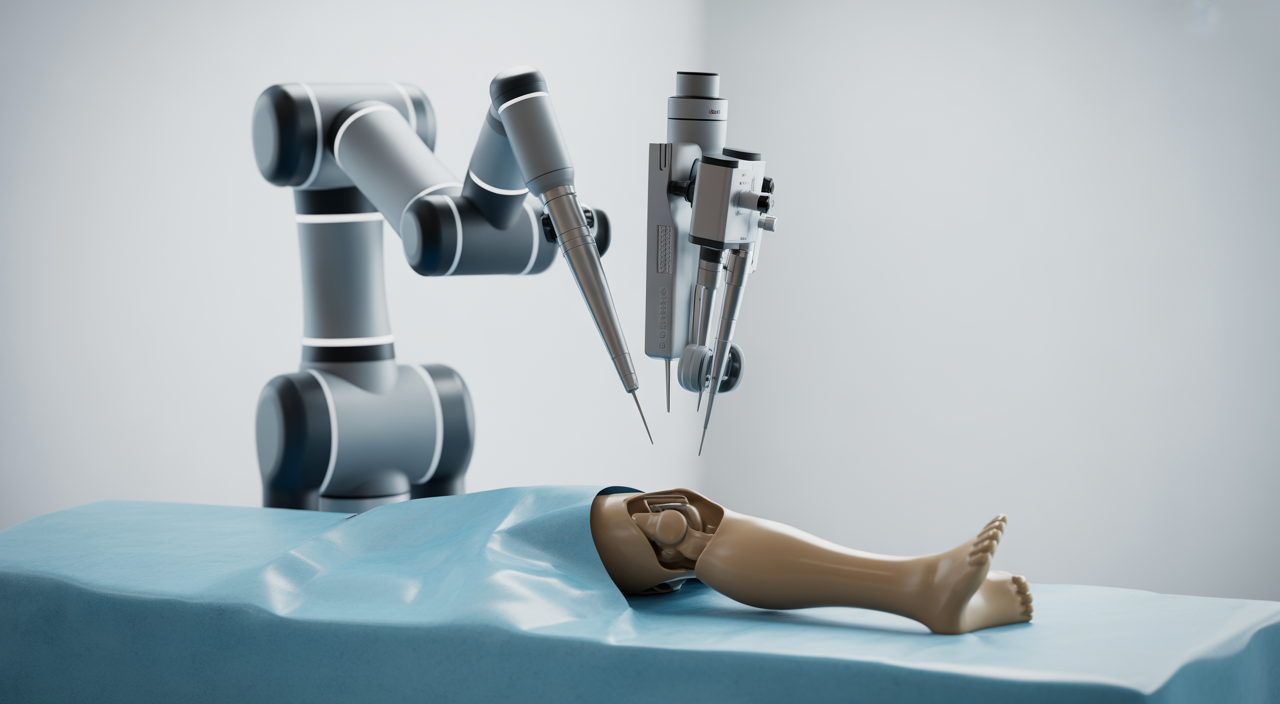
What is Robotic Knee Replacement Surgery? A Modern Approach to Joint Health
For many years, traditional knee replacement surgery relied on manual tools and a surgeon’s skilled hands. While effective, it could sometimes be challenging to achieve the perfect alignment for every patient. This is where technology steps in. Robotic knee replacement surgery is an evolution in orthopedic care.
It uses a robotic arm or system to assist the orthopedic surgeon. The robot does not perform the surgery alone. Instead, it acts as a highly advanced tool. It helps the surgeon place the new knee joint (known as a prosthesis or implant) with incredible precision. This process starts long before the actual surgery day.
How Robotic-Assisted Technology Works
Imagine having a detailed map of your knee. That’s essentially what happens with robotic-assisted surgery. Before the operation, a special 3D image of your knee joint is created. This could be from a CT scan. This detailed image allows your surgeon to create a personalized surgical plan. They can accurately measure and map out the best placement for your new implant. This virtual surgery planning helps them understand your unique anatomy.
During the actual surgery, the robotic system guides the surgeon. It provides real-time information and feedback. If the surgeon moves outside the planned area, the robotic arm will gently resist. This “haptic feedback” ensures that only the diseased bone is removed. It protects healthy tissues. This guidance helps achieve pinpoint accuracy. This precise placement is key to a successful outcome.
The Unmatched Benefits of Robotic Knee Replacement Surgery
Choosing robotic-assisted surgery offers several compelling advantages over traditional methods. These benefits can lead to better results and a smoother recovery for patients.
- Enhanced Precision and Accuracy: The most significant benefit is the incredible accuracy. The robotic system helps the surgeon place the knee implant within fractions of a millimeter. This exact positioning is crucial for how your new knee feels and functions. It helps ensure the knee is balanced and moves naturally.
- Minimized Soft Tissue Damage: With greater precision, the surgeon can often make smaller, more targeted incisions. This means less cutting of healthy muscle and tissue around the knee. Less tissue damage can lead to less pain and swelling after surgery.
- Faster Recovery and Reduced Pain: Many patients report feeling less pain and experiencing a quicker return to their normal activities. Because the surgery is so precise and less invasive, the body has less trauma to heal from. This can mean a shorter hospital stay and a faster start to your rehabilitation.
- Personalized Fit and Longevity: The detailed 3D planning ensures the implant is custom-fitted to your unique knee anatomy. A well-aligned and balanced implant feels more natural. It may also last longer, reducing the chance of needing another surgery down the road.
- Reduced Complication Rates: The improved precision and reduced soft tissue disruption may also lead to fewer complications. This includes a lower risk of infection or issues with implant loosening.
These benefits highlight why many orthopedic specialists recommend robotic assistance. It truly represents a step forward in joint replacement care.
Is Robotic Knee Replacement Right for You? Candidacy & Considerations
While robotic knee replacement surgery offers many advantages, it’s not for everyone. The decision depends on your specific condition and overall health. An orthopedic surgeon will evaluate your situation carefully.
Who is a Candidate?
Generally, you might be a candidate if you suffer from:
- Chronic knee pain caused by conditions like osteoarthritis, rheumatoid arthritis, or post-traumatic arthritis.
- Severe knee stiffness or limited movement that affects your daily life.
- Pain that has not improved with conservative treatments. This includes medications, injections, or physical therapy.
- You are in good general health and have realistic expectations about the surgery and recovery process.
Your surgeon will consider your age, activity level, and bone quality. They will determine if robotic assistance is the best option for your unique needs.
The Robotic Knee Replacement Journey: From Pre-Op to Recovery
Understanding the journey from deciding on surgery to full recovery can ease your mind. Here’s a general overview of what to expect.
Before Your Surgery
You will have several consultations with your orthopedic surgeon. They will perform a thorough examination. This includes imaging tests like X-rays or MRI scans. You will discuss your medical history and any medications you take. Your surgeon will explain the procedure in detail and answer all your questions. You might receive instructions on exercises or dietary changes to prepare your body for surgery.
The Day of Surgery
On the day of your surgery, you will be prepared for the procedure. You will receive anesthesia to ensure you are comfortable and pain-free during the operation. The surgeon will then use the robotic arm system to perform the knee replacement. The procedure typically takes a few hours.
Post-Operative Care & Hospital Stay
After surgery, you will spend some time recovering in the hospital. This usually lasts a few days. During this time, you will receive pain management. You will also start gentle movements and exercises. This helps prevent complications and promotes early healing.
Rehabilitation and Physical Therapy
Physical therapy is a crucial part of your recovery. It begins soon after your surgery, sometimes even on the same day. A physical therapist will guide you through exercises. These exercises aim to restore your knee’s strength, flexibility, and range of motion. Following your therapy plan diligently is vital for achieving the best possible outcome.
What to Expect During Recovery
Recovery times vary for each person. Most people can walk with assistance within a day or two. You will gradually increase your activity level over several weeks or months. Full recovery, where you can return to most normal activities, might take up to six months or even a year. However, many patients feel significant improvements much sooner. The precision of robotic surgery can often lead to a smoother and quicker rehabilitation process.
Common Questions & Myths About Robotic Knee Replacement Surgery
It’s natural to have questions about new medical technologies. Let’s address some common concerns.
FAQs
- Does the robot perform the surgery by itself? No. The robot is a tool that assists the surgeon. Your orthopedic surgeon is always in control. They guide the robotic arm and make all critical decisions.
- Is robotic knee replacement more expensive? The cost can vary depending on factors like your location, hospital, and insurance coverage. It’s best to discuss this with your surgeon’s office and your insurance provider.
- What are the long-term results? Studies show promising long-term results with robotic-assisted knee replacements. The enhanced precision aims to improve implant longevity and patient satisfaction.
- Will my new knee feel artificial? Many patients report that their new knee feels very natural. The precise fit and alignment achieved with robotic assistance contribute to this comfortable feeling.
Choosing Your Surgeon: Expertise in Robotic Technology
The success of your knee replacement surgery depends greatly on your surgeon’s skill and experience. When considering robotic knee replacement, it’s essential to choose an orthopedic surgeon who is highly trained and experienced with the specific robotic system being used. Look for a surgeon who regularly performs these procedures and has a deep understanding of the technology.
An experienced surgeon uses the robotic system as an extension of their expertise. They combine their knowledge of anatomy and surgical techniques with the robot’s precision. This partnership leads to excellent patient outcomes. They are dedicated to helping improve patient outcomes in orthopedic surgery by staying at the forefront of medical advancements.
Conclusion: Step Towards a Pain-Free Future with Confidence
Living with chronic knee pain can drastically impact your quality of life. Robotic knee replacement surgery offers a beacon of hope. It combines advanced technology with surgical expertise to provide a precise, personalized, and potentially faster path to recovery. This innovative approach helps many individuals regain mobility, reduce pain, and return to the activities they cherish.
If you’re considering options for knee pain relief, exploring robotic knee replacement surgery with a skilled orthopedic specialist is a wise next step. It could be the key to unlocking a more active and comfortable future for you.
Frequently Asked Questions
What is the main difference between traditional and robotic knee replacement surgery?
The main difference lies in the level of precision and customization. Traditional surgery relies heavily on manual tools and visual assessment. Robotic surgery uses a 3D pre-operative plan and real-time robotic guidance. This allows for extremely accurate implant placement and alignment, tailored specifically to your anatomy. This precision can lead to less soft tissue damage and a more balanced knee joint.
How long does the recovery process typically take after robotic knee replacement?
While individual recovery varies, many patients experience a faster recovery with robotic knee replacement compared to traditional methods. You can often begin walking with assistance within a day or two. Formal physical therapy is vital for several weeks or months to regain strength and mobility. Most individuals can return to many daily activities within a few weeks to a few months. Full recovery, allowing a return to more strenuous activities, might take up to six to twelve months.

