
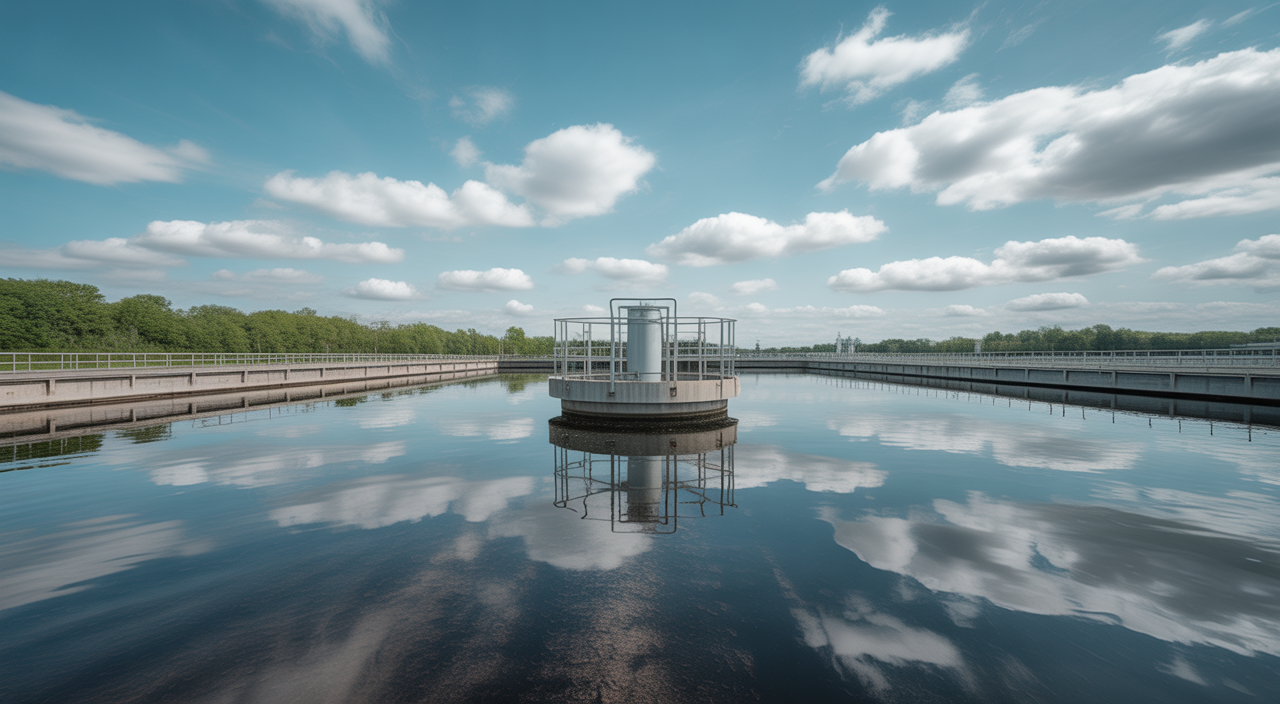
Imagine a vital system constantly working to keep our water clean. Wastewater treatment plants play a crucial role in this process. But over time, these systems can become clogged with sludge and sediment. This is where wastewater dredge comes in, helping to maintain the efficiency and effectiveness of these essential facilities.
Wastewater dredging is like giving your wastewater treatment plant a thorough cleaning. It involves removing accumulated solids from various parts of the system. These solids can include sludge, sediment, and debris that build up over time and reduce the plant’s capacity and performance. This article will serve as your comprehensive guide to understanding wastewater dredging, its importance, and best practices.
Think of it this way: just like you need to clean out a water tank to maintain water quality, wastewater treatment plants need regular dredging. This process helps ensure that the plant operates at its best, keeping our water resources clean and safe. Wastewater dredging is a critical part of maintaining healthy ecosystems. Let’s explore the ins and outs of this essential process.
What is Wastewater Dredge?
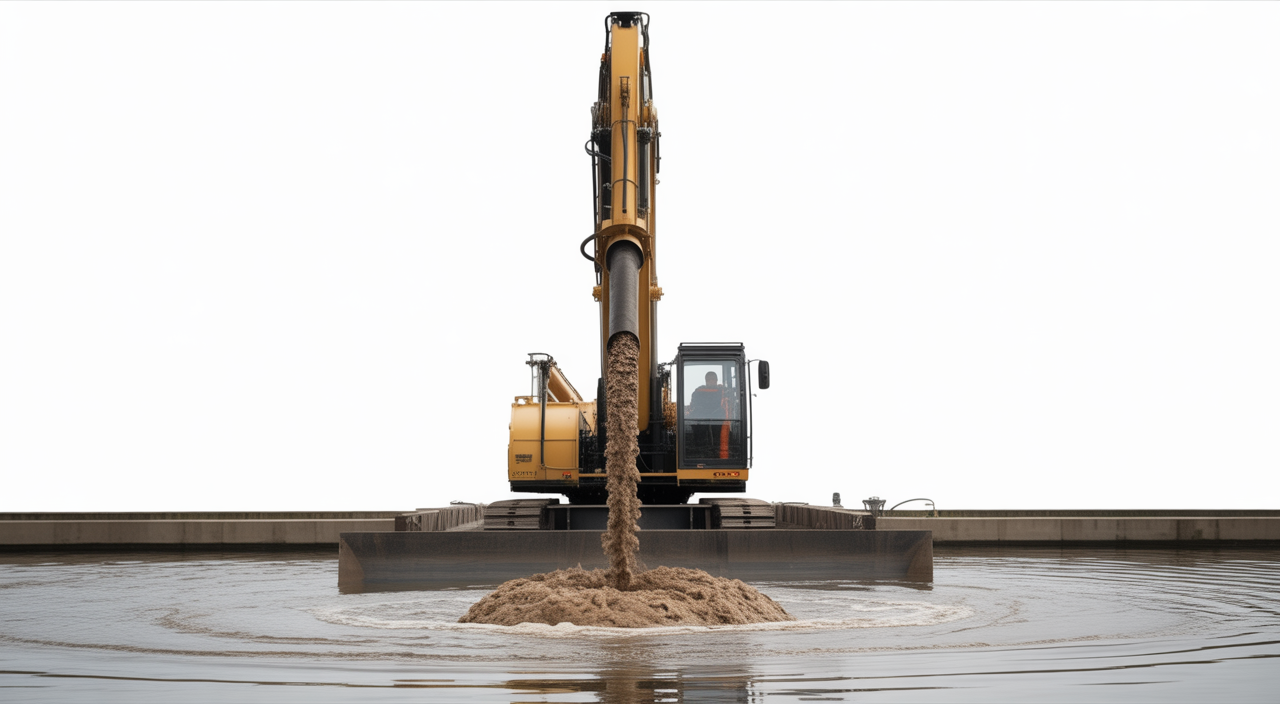
A wastewater dredge is specifically designed for removing accumulated solids from wastewater treatment facilities. These facilities can include lagoons, tanks, and ponds. Over time, these areas collect sludge, sediment, and other debris that can hinder the treatment process. Dredging helps to restore the capacity and efficiency of these systems.
The main goal is to remove the buildup of solids, which can reduce the effective volume of the treatment area. This buildup can also interfere with the biological and chemical processes that clean the water. Dredging ensures that the treatment plant can handle the designed volume of wastewater and meet regulatory standards.
Different types of wastewater environments require different dredging approaches. For example, a large lagoon might need a hydraulic dredge, while a smaller tank might be better suited for a mechanical dredge. The specific method depends on the type of solids, the size of the area, and the environmental considerations.
Why is Wastewater Dredging Important?
There are several compelling reasons why wastewater dredging is essential. Here are some key benefits:
- Improved Treatment Efficiency: Removing accumulated solids allows the treatment plant to operate more efficiently. That means cleaner water and better compliance with environmental regulations.
- Increased Capacity: Dredging restores the plant’s capacity, allowing it to handle larger volumes of wastewater.
- Odor Control: Sludge and sediment buildup can cause unpleasant odors. Dredging helps to eliminate these odors, improving the quality of life for nearby communities.
- Compliance with Regulations: Regular dredging ensures that the plant meets environmental regulations, avoiding costly fines and penalties.
- Reduced Maintenance Costs: Preventing excessive buildup of solids can reduce the need for costly repairs and maintenance.
- Environmental Protection: By maintaining efficient treatment processes, dredging helps to protect the environment from pollutants.
Neglecting wastewater dredging can lead to significant problems. Reduced treatment capacity, increased odors, and potential environmental damage are just a few of the consequences. Regular dredging is a proactive approach to maintaining a healthy and efficient wastewater treatment system.
The Wastewater Dredging Process
The wastewater dredging process involves several steps. First, experts conduct a site assessment to determine the extent of solids buildup and the best method for removal. Next, experts select the appropriate dredging equipment. This might include hydraulic dredges, mechanical dredges, or other specialized tools.
The dredging process itself involves removing the solids from the wastewater environment. Hydraulic dredges use suction to pump the solids to a disposal area, while mechanical dredges use buckets or other devices to scoop up the material. The dredged material then moves to a disposal site, which might be a landfill or a designated disposal area.
Proper disposal of the dredged material is crucial to prevent environmental contamination. You must handle and dispose of the material in accordance with local and national regulations. This might involve dewatering the material to reduce its volume and properly containing it to prevent leaks or spills.
Types of Wastewater Dredge
Different types of dredges are used in wastewater applications, each with its own advantages and disadvantages. Some common types include:
- Hydraulic Dredges: These dredges use suction to pump solids and water to a disposal area. They are effective for removing large volumes of material.
- Mechanical Dredges: These dredges use buckets or other devices to scoop up solids. They are suitable for smaller areas and can handle denser materials.
- Auger Dredges: These dredges use a rotating auger to break up and remove solids. They are often used in confined spaces.
- Cutter Suction Dredges: These dredges use a rotating cutter head to loosen solids before they are suctioned up. They are effective for removing compacted materials.
Each type of wastewater dredge offers unique advantages depending on the specific application. Choosing the right type of dredge depends on several factors, including the type of solids, the size of the area, and the environmental considerations. Consulting with a dredging expert can help ensure that you select the most appropriate equipment for your needs.
Factors to Consider When Choosing a Wastewater Dredge Solution
Selecting the right wastewater dredging solution requires careful consideration of several factors. These include:
- Flow Rates and Dredging Volume: How much material needs to be removed? What is the flow rate of the wastewater?
- Solids Content and Characteristics: What type of solids are present? Are they dense, gritty, or organic?
- Project Timeline and Budget: How quickly does the dredging need to be completed? What is the budget for the project?
- Site Accessibility and Constraints: Is the site easily accessible? Are there any physical constraints that might limit the type of equipment that can be used?
- Disposal Options for Dredged Material: Where will the dredged material be disposed of? Are there any specific requirements for disposal?
By carefully considering these factors, you can choose a wastewater dredge solution that meets your specific needs and budget. It’s often beneficial to seek professional guidance to ensure all aspects are addressed.
Environmental Considerations
Wastewater dredging can have environmental impacts if not performed correctly. It’s important to minimize these impacts by following best practices. These include:
- Using equipment that minimizes disturbance to the surrounding environment.
- Properly containing and disposing of dredged material to prevent contamination.
- Monitoring water quality during and after dredging to ensure that pollutants aren’t released.
- Complying with all local and national environmental regulations.
By taking these precautions, you can ensure that wastewater dredging is performed in an environmentally responsible manner.
FAQs About Wastewater Dredging
Q: How often should wastewater dredging be performed?
A: The frequency of dredging depends on several factors, including the size of the treatment plant, the volume of wastewater, and the type of solids. A professional assessment can help determine the appropriate schedule.
Q: What are the costs associated with wastewater dredging?
A: The costs vary depending on the size and complexity of the project. Factors such as equipment rental, labor costs, and disposal fees can all impact the total cost.
Conclusion
Wastewater dredging is a critical part of maintaining healthy and efficient wastewater treatment systems. By removing accumulated solids, dredging helps to improve treatment efficiency, increase capacity, control odors, and protect the environment. Choosing the right wastewater dredge solution and following best practices can ensure that this process is performed effectively and responsibly.
If you’re ready to take the next step in maintaining your wastewater treatment system, explore our comprehensive services.

