

To effectively boost sales, businesses should leverage digital marketing agency solutions that align with their goals. First, understanding the essentials of digital marketing is key. Target audience identification is crucial for customizing strategies that resonate. Effective SEO practices can increase website visibility and drive more traffic. Additionally, high-quality content helps establish authority while social media engagement fosters strong customer connections. Offering free consultations or trials builds trust and can lead to conversions. Moreover, investing in targeted paid ads enhances exposure to potential clients. By measuring success through analytics and continuously adapting strategies, agencies can create lasting relationships that ultimately drive growth.
1. Understanding Digital Marketing
Digital marketing involves using online platforms to promote products and services, utilizing channels such as social media, email, and search engines. This approach allows businesses to connect directly with customers, facilitating real-time interaction that can provide immediate feedback. Compared to traditional marketing, digital marketing is often more cost-effective, enabling companies to maximize their budgets efficiently. For example, a small business can run a social media campaign for a fraction of the cost of a print ad while still reaching a broad audience.
Data analytics plays a crucial role in digital marketing by helping businesses understand customer behavior and preferences. With the rise of mobile devices, accessing content and services online has never been easier for consumers. Engaging content is essential; it can significantly influence a customer’s purchasing decision. Personalization also enhances the customer experience, fostering deeper connections and improving brand loyalty. In addition, user-generated content, such as reviews and testimonials, can build trust among potential buyers.
Email marketing remains a powerful tool for direct communication, providing a way to reach customers with tailored messages. Staying updated on digital marketing trends is vital for maintaining a competitive edge, as the landscape is constantly evolving. By understanding these elements, businesses can effectively leverage digital marketing to drive sales and enhance customer relationships.
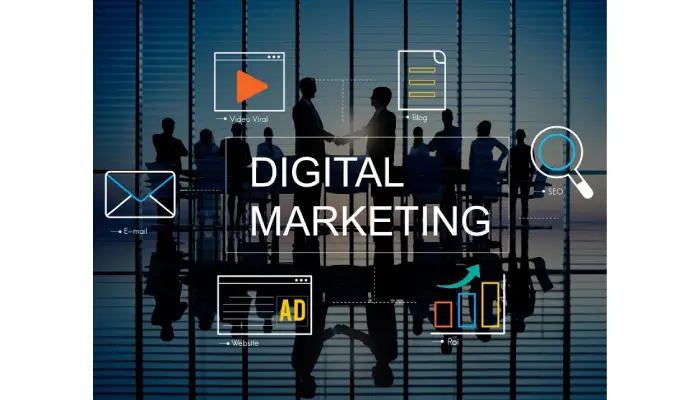
3. Strategies to Boost Sales
Leveraging social proof can be a game changer for sales. When potential customers see testimonials or case studies from satisfied clients, it builds trust and influences their buying decisions. Creating urgency is another effective approach; limited-time offers can encourage customers to make a quick purchase rather than procrastinate. Additionally, upselling and cross-selling during the buying process can significantly increase the average order value. For example, if a customer is buying a laptop, suggesting accessories like a case or software can enhance their shopping experience and your revenue.
Implementing a referral program can also drive sales. By incentivizing existing customers to refer new clients, you can tap into an audience that already trusts your brand. Retargeting ads are crucial too; they remind potential customers of products they showed interest in, prompting them to return and complete their purchase. Offering loyalty programs is a smart way to enhance customer retention and encourage repeat purchases, as customers appreciate being rewarded for their loyalty.
Engaging in community events or sponsorships can increase brand visibility and foster connections with potential customers. Clear and attractive calls-to-action are essential, guiding customers toward making a purchase. Optimizing mobile experiences ensures that all customers can access your services easily, especially as more shoppers use their phones for online purchases. Lastly, regular training for sales teams keeps them informed and effective in their roles, ensuring they can communicate the value of your offerings clearly and confidently.
- Leveraging social proof, like testimonials and case studies, can influence potential customers’ decisions.
- Creating urgency through limited-time offers can encourage quick purchases.
- Upselling and cross-selling during the buying process can increase average order value.
- Implementing a referral program can incentivize existing customers to bring in new clients.
- Using retargeting ads can remind potential customers of their interest, prompting them to return.
- Offering loyalty programs can enhance customer retention and encourage repeat purchases.
- Engaging in community events or sponsorships can increase brand visibility.
- Utilizing clear and attractive calls-to-action can guide customers toward making a purchase.
4. Advanced Digital Marketing Techniques
Advanced digital marketing techniques can significantly enhance sales by leveraging technology and data. For example, using chatbots can provide instant responses to customer inquiries, improving service and satisfaction. Implementing artificial intelligence helps in targeting and personalizing campaigns, making them more effective in reaching the right audience. Big data analytics uncovers valuable insights about customer behavior, enabling businesses to tailor their strategies accordingly.
Virtual and augmented reality can create immersive experiences, allowing customers to engage with products in innovative ways. Programmatic advertising automates the ad buying process, optimizing campaigns for better results. Additionally, influencer marketing taps into established audiences, expanding reach and credibility quickly.
Creating interactive content, like quizzes or polls, engages users and encourages sharing, thus increasing brand visibility. Predictive analytics allows businesses to forecast trends and customer needs, enabling proactive marketing strategies. Voice search optimization is essential as consumer search habits evolve, ensuring that businesses remain competitive. Lastly, developing a mobile app can further enhance customer engagement and loyalty, providing a direct line of communication and service.
5. Measuring Success in Sales
To effectively boost sales through digital marketing, measuring success is essential. Establishing key performance indicators (KPIs) helps track the effectiveness of marketing efforts. For instance, monitoring conversion rates gives insight into how well potential customers are turning into buyers. Regularly reviewing sales funnel metrics can reveal drop-off points, allowing agencies to identify where improvements are needed. Using customer relationship management (CRM) systems streamlines data collection and analysis, making it easier to understand customer interactions and preferences. Additionally, evaluating customer lifetime value (CLV) can inform future marketing strategies by highlighting the worth of retaining customers over time.
Conducting surveys and feedback forms provides qualitative data on customer satisfaction, which can guide enhancements in services. Monitoring social media engagement metrics helps assess brand perception and reach, offering clues about audience interest. Understanding these dynamics allows agencies to refine their sales processes and boost effectiveness.
Assessing the return on investment (ROI) for marketing campaigns is crucial for guiding budget allocations, ensuring resources are used efficiently. Utilizing heatmaps can visualize user interactions with websites, pinpointing areas for improvement in user experience. Finally, regular team reviews foster communication and continuous improvement, ensuring that strategies remain effective and responsive to market changes.
6. Client-Centric Sales Approach
A client-centric sales approach revolves around understanding and addressing the unique needs of each client. Building rapport with clients is essential, as it establishes trust and cultivates long-term relationships. By offering tailored solutions based on individual requirements, agencies can significantly enhance client satisfaction. Regularly soliciting feedback allows agencies to fine-tune their services, ensuring they meet evolving client expectations. Transparency in pricing and processes fosters confidence, making clients feel valued and informed. A seamless onboarding experience sets a positive tone for the relationship right from the start.
Additionally, maintaining regular check-ins helps address any concerns proactively, reinforcing the client relationship over time. Providing ongoing education and resources empowers clients, not just during the sales process, but throughout their journey with the agency. This ongoing support cultivates loyalty and positions the agency as a trusted partner. Sharing client success stories can illustrate the value of services, while encouraging clients to share their experiences can lead to valuable testimonials. Creating a community for clients enhances engagement and support, transforming the relationship from transactional to collaborative.
7. Adaptability and Continuous Improvement
Staying flexible is crucial for digital marketing agencies. When the market shifts, an adaptable agency can pivot quickly, allowing them to meet changing client needs effectively. Encouraging a culture of experimentation can lead to innovative strategies that keep an agency ahead of the competition. Regularly gathering data on performance helps identify areas for improvement, enabling teams to make data-driven decisions. Investing in staff training ensures that everyone is equipped to tackle new challenges, while hosting brainstorming sessions can spark creative solutions to any obstacles.
Regularly reviewing goals and strategies keeps the agency aligned with market demands. Engaging with industry peers opens up fresh perspectives, offering insights that can refine approaches. Implementing feedback loops enhances the adaptability of strategies over time, allowing the agency to respond to clients’ evolving expectations. Utilizing project management tools streamlines processes, improving efficiency and communication. Fostering an environment of open communication within the team facilitates knowledge sharing and collaboration, ultimately supporting continuous improvement.
8. Future of Digital Marketing
The future of digital marketing is shaped by rapid technological advancements and changing consumer behaviors. Keeping an eye on emerging technologies can open doors to innovative strategies. For example, exploring voice search capabilities can significantly enhance customer engagement, allowing brands to connect in a more conversational manner. Adopting artificial intelligence tools is another key trend, as they can optimize marketing strategies and improve customer interactions through personalized experiences. Additionally, utilizing blockchain technology in advertising can enhance transparency and build trust with consumers, addressing growing concerns about data integrity.
Understanding data privacy regulations is becoming crucial for businesses to ensure compliance and maintain consumer trust. As digital spaces evolve, exploring the metaverse may also present new avenues for customer interaction and engagement. E-commerce trends are essential to monitor, as they can help agencies adapt their strategies to align with shifting consumer behaviors. Furthermore, employing augmented reality in marketing can create unique, immersive experiences that captivate customers.
With an increasing number of consumers prioritizing sustainability, engaging in responsible marketing practices can appeal to eco-conscious audiences. Lastly, it is vital for teams to regularly update their skill sets to remain competitive in this ever-evolving landscape.
Frequently Asked Questions
1. What kinds of digital marketing services can help increase sales?
Digital marketing services like SEO, social media marketing, content marketing, email marketing, and pay-per-click advertising can help attract more customers and boost sales.
2. How does SEO improve my business’s online visibility?
SEO enhances your website’s visibility on search engines by using keywords, optimizing content, and improving site structure, making it easier for potential customers to find you.
3. Why is social media important for increasing sales?
Social media helps build relationships with customers, allows for targeted advertising, and creates brand awareness, all of which can lead to higher sales.
4. Can content marketing really affect my sales?
Yes, content marketing engages potential customers by providing valuable information, which can establish trust and encourage them to make a purchase.
5. How do digital marketing agencies measure the success of their strategies?
Digital marketing agencies track success using metrics such as website traffic, conversion rates, engagement on social media, and return on investment, allowing them to adjust strategies accordingly.
TL;DR Digital marketing is essential for promoting products and services online, enabling direct customer engagement and measurable outcomes. Key strategies to boost sales include identifying the target audience, optimizing SEO, and leveraging content marketing and social media. To enhance sales, agencies should offer free trials, optimize processes, invest in paid ads, and form partnerships. Advanced techniques like remarketing and marketing automation further improve lead conversions. Measuring success through analytics is crucial, while adopting a client-centric approach ensures trust and long-term relationships. Agencies must stay adaptable and informed about future trends to remain competitive and effectively meet client needs.
Resource URL:

