
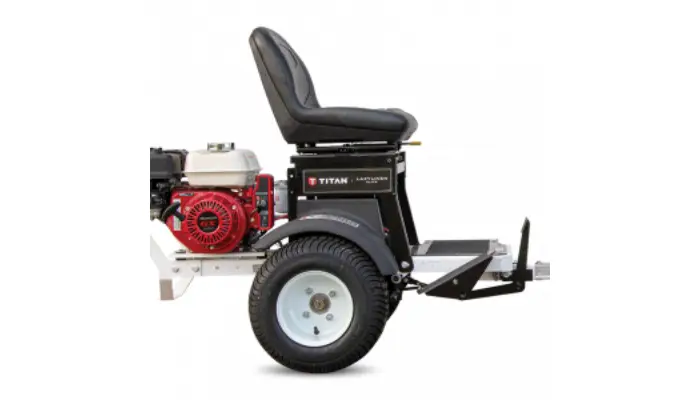
Troubleshooting a Titan PowrLiner 3500 or 3500S line painting machine usually starts with checking simple things like if the engine has gas, since the unit won’t start otherwise. If paint isn’t being sucked in, the inlet valve might be clogged, pressing its button several times can help clear it. Air bubbles in unexpected places often point to dirty or worn valves, so cleaning or replacing parts is necessary. Problems with pressure often come from leaks in the suction system or clogged filters; tightening connections and cleaning filters usually fix this. Always release pressure and turn off the unit before working on it to stay safe, and remember to use original parts when you can. If issues persist, contacting Titan Customer Service is advised for complex repairs.
Troubleshooting When the Unit Does Not Start
If your Titan Line Painting Machine does not start, begin by checking the fuel level to make sure there is enough gas in the engine. Without fuel, the engine won’t run. Next, inspect the engine switch and confirm it is set to the ON position. A common oversight is leaving the switch off. Verify that the spark plug is clean and properly connected, as a dirty or loose spark plug can prevent ignition. Check the fuel lines and filters for any clogs that might block fuel flow; a clogged fuel filter can stop the engine from starting. For cold starts, ensure the choke is set correctly, too much or too little choke can cause starting issues. Examine the air filter for dirt or obstructions that reduce airflow; a dirty air filter can suffocate the engine. Look over all wiring and electrical connections for any loose or damaged parts, which can interrupt power to the ignition system. Make sure the engine is not flooded with fuel from previous failed attempts; if flooding is suspected, let the engine sit for a while before trying again. The unit should be placed on a level surface to guarantee proper engine operation, as uneven ground can cause fuel flow problems. Finally, test the recoil starter and pull cord to ensure they function smoothly and have proper tension; a broken or stuck pull cord will prevent starting. Addressing these points in order will help identify and fix the common reasons why the machine won’t start.
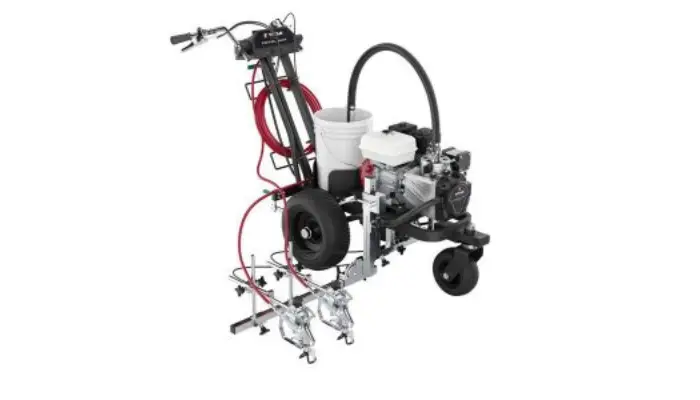
Fixing Paint Suction Issues
If your Titan line painting machine is having paint suction problems, start by checking the inlet valve. It can get clogged or stuck, so press the inlet valve button several times to try and clear any blockages. Also, remove and clean the inlet valve and the surrounding area to get rid of dried paint or debris. Inspect the seals and O-rings on the valve; if they’re worn or damaged, replace them to ensure a proper seal.
Next, examine the suction hose carefully for any cracks, leaks, or kinks. Even small leaks can let air in, reducing suction and causing pressure loss. Make sure all suction tube connections are tight and sealed well to avoid air leaks. The suction tube should also be properly positioned inside the paint container to prevent drawing in air or debris.
Check the paint container for sufficient paint and verify that the paint isn’t too thick. Thick paint can clog valves and reduce flow, so dilute it following manufacturer instructions if needed. The suction filter should be clean and free of clogs; a dirty filter restricts paint flow and causes pressure issues.
Finally, confirm the pressure control valve setting is correct. If it’s turned down too low, it can restrict paint flow and cause suction problems. Adjust it clockwise until it reaches the stop. Avoid letting foreign objects like paint lumps or dried chips enter the suction system, as they can clog valves and damage the machine.
Handling Air Bubbles in the Return Hose
Air bubbles appearing in the return hose usually indicate an issue with air entering the fluid system or worn components. Start by inspecting the inlet and outlet valves for dirt, wear, or damage. Remove and clean these valves regularly to prevent buildup, which can cause air leaks. Replace any worn valve parts following the Titan service instructions to ensure a proper seal. Check all suction system connections and fittings for tightness, especially around the return hose, since loose fittings or cracks can allow outside air to enter. Also, verify that the paint container is sealed properly to avoid air being drawn through the fluid path. The pressure control valve should not be turned down completely; if it is, air bubbles may appear at the return hose. Adjust it clockwise until it stops to maintain proper pressure. Additionally, make sure the suction filter is clean and free of debris, which can disrupt paint flow and cause bubbles. Avoid using paint that contains contaminants or pre-existing bubbles, as this can lead to foaming inside the system. Lastly, bleed the oil circuit to remove any trapped air that might contribute to bubbles. This involves turning the pressure control valve fully counterclockwise and running the unit briefly before resetting the pressure. Regular maintenance of valves, filters, and seals is key to preventing air bubbles and maintaining smooth operation.
Adjusting the Pressure Control Valve
The pressure control valve on a Titan line painting machine is key to managing paint flow and spray quality. To increase the pressure output, turn the valve clockwise. To reduce pressure or to bleed trapped air from the system, turn it counterclockwise. Be careful not to turn the valve beyond its mechanical stops, as doing so can cause damage. Adjust pressure slowly and watch the paint flow and spray pattern closely to find the optimal setting. If air has gotten into the oil circuit, fully turn the valve counterclockwise and run the unit briefly to bleed the air out, then set the pressure back by turning clockwise. Always check the pressure gauge to confirm the pressure is at the right level. If pressure readings fluctuate, inspect the valve for possible wear or internal faults. The valve knob should move smoothly without sticking or excessive resistance. Regular cleaning of the valve and its surrounding area is important to prevent paint buildup which can affect performance. If the valve doesn’t respond properly to adjustments or you notice unusual behavior, it’s best to contact Titan Customer Service for support.
Resolving Pressure Generation Problems
When your Titan line painting machine is not generating proper pressure, start by checking the suction system for leaks or loose connections. Even a small gap can let outside air into the paint path, causing pressure loss. Make sure all fittings on the suction line and paint delivery system are tightened securely. Pay close attention to the cleaning connection on the rigid suction tube, it must be sealed tightly to prevent air from entering.
Next, inspect the inlet valve to ensure it is properly seated without damage or wear. If the inlet valve wiper or O-rings show signs of deterioration, replace them promptly. Damaged seals can cause air to be sucked in, reducing pressure.
The paint itself can also affect pressure generation. If the paint is too thick or partially dried, it will resist flowing, so check the paint consistency and dilute if necessary according to the manufacturer’s instructions. Additionally, clogged suction or gun filters can restrict flow and cause pressure drops. Clean or replace these filters regularly to avoid blockages.
Inside the machine, air trapped in the oil circuit can interfere with pressure. Bleeding the oil circuit by adjusting the pressure control valve as recommended helps remove trapped air and restores stable pressure. Also, inspect the pump and pressure control valve for any mechanical faults or damage that might prevent proper pressure buildup.
Finally, check the spray tip for clogs. A blocked tip restricts paint flow and causes pressure to collapse during spraying. Cleaning or replacing the tip can resolve this issue. Addressing these areas systematically will help restore consistent pressure and keep your line painting machine running smoothly.
Bleeding Air from the Oil Circuit
To bleed air from the oil circuit on a Titan Line Painting Machine, start by turning the pressure control valve completely counterclockwise to open it fully. This allows trapped air to escape more easily. Next, run the unit for 2 to 3 minutes and watch the return hose closely. If you see continuous air bubbles, keep bleeding until the bubbles stop or become minimal. Once the air is purged, turn the pressure control valve clockwise to set your desired spraying pressure. If the pressure remains unstable or air bubbles persist, repeat the bleeding process. It’s important to avoid running the unit at high pressure during bleeding to prevent damage. Also, check the oil circuit for leaks that might let air back in, and inspect seals and gaskets for wear or damage that could cause air ingress. Using clean, manufacturer-recommended oil helps maintain proper lubrication and sealing, reducing the chance of trapped air. Regular bleeding helps prevent performance issues related to air in the oil circuit and keeps the machine running smoothly.
Dealing with Pressure Collapse During Spraying
Pressure collapse during spraying with a Titan line painting machine often points to issues restricting paint flow or pressure stability. Start by inspecting the suction filter, as clogging here is a common cause of sudden pressure drops. Clean or replace the filter if it appears dirty or blocked. Next, check the gun filter; buildup can reduce paint flow and cause pressure to collapse mid-spray. Also, examine the spray tip for any partial blockage, debris can easily clog the tip, disrupting consistent pressure and spray pattern.
Air leaks in the suction or delivery hoses can cause loss of pressure, so carefully inspect all connections and hoses for cracks, loose fittings, or damaged seals. Even small leaks let in air, which interferes with paint delivery. Confirm the paint’s viscosity is correct: paint that is too thick or improperly thinned will strain the pump and cause pressure to drop. Follow manufacturer guidelines for thinning paint before spraying.
Review the pressure control valve settings and operation to make sure it’s correctly adjusted and functioning smoothly. A sticking or worn valve can cause pressure fluctuations. If the problem persists, check for signs of internal pump wear or damage, which might reduce the unit’s ability to maintain constant pressure. Lastly, verify the paint container has enough fluid and that the paint consistency is stable. Avoid long spray sessions without cleaning, as buildup inside the system can cause recurring pressure collapse. Testing the entire paint path for blockages or damage can help pinpoint hidden issues affecting pressure stability.
Managing Paint That Clogs Valves or Flows Poorly
When paint clogs valves or flows poorly in a Titan line painting machine, the first step is to check the paint viscosity. Paint that is too thick can cause blockages, so always dilute it according to the manufacturer’s instructions. Thick paint forces valves to work harder and can lead to poor delivery or complete clogging. Using clean, filtered paint free from lumps and dried particles is essential to prevent buildup. Paint stored too long or improperly mixed can separate, causing uneven flow and clogs; make sure to stir and mix paint thoroughly before use. Regular cleaning of valves and filters prevents dried paint from accumulating and restricting flow. Inspect all fluid passages for any dried paint or debris and clean them thoroughly. If valves are worn or seals are damaged, replace these components to maintain proper sealing and paint flow. Adding recommended thinners or additives can help maintain consistent flow and reduce clogging. After each use, flush the system with the proper cleaning solvent to remove residual paint. Avoid exceeding the maximum pressure set by the manufacturer, as this can force thick paint through valves poorly and cause damage. For example, if you notice the paint delivery rate dropping or the pressure collapsing, check if the paint is too thick or if the filters and valves need cleaning or replacement.
Cleaning a Clogged Gun Filter
Before removing the gun filter, always turn off the unit and release the pressure to avoid accidents or paint splatter. Unscrew the filter carefully from the spray gun assembly, making sure not to damage any parts. Inspect the filter closely for paint buildup, dried particles, or any signs of damage like tears or holes. Use the solvent recommended for the paint type to soak and clean the filter. For stubborn debris, gently use a soft brush or compressed air to clear the mesh without causing harm. If the filter shows permanent clogging or damage, replace it with an original Titan part to ensure proper performance. When reinstalling, secure the filter tightly to prevent leaks and check the gun’s seals and seats for a proper fit. After cleaning, test the spray gun to confirm the paint flows smoothly and pressure is restored. To avoid frequent clogging, clean the gun filter regularly after every few uses, especially when working with thicker or fast-drying paints.
Addressing Maximum Pressure and Paint Return Issues
When your Titan Line Painting Machine struggles to reach maximum pressure or paint returns through the return hose, start by checking the spray tip for clogs or damage. A blocked or worn tip restricts flow and causes pressure loss, so clean or replace it as needed. Next, inspect the return hose for leaks or loose connections that might allow paint to flow back improperly. Make sure the pressure control valve is turned up to maximum but avoid over-tightening, which can damage components.
Also, check the inlet and outlet valves for cleanliness and proper seating since dirt or wear can prevent them from maintaining pressure. Replace any worn or damaged seals that could cause paint to return prematurely. Paint viscosity plays a role too; paint that’s too thick creates extra backpressure, so adjust the consistency according to the paint manufacturer’s guidelines.
Don’t forget the suction filter, which should be clean and free of debris to ensure a steady paint supply to the pump. A clogged suction filter can cause pressure to drop during spraying. Lastly, examine the relief valve to confirm it’s working correctly, if defective, it will need service from Titan Customer Support. Throughout, be vigilant for air leaks in the paint delivery system, as even small leaks can lower pressure and cause paint to return improperly. Maintaining all these components regularly helps prevent these pressure and paint return issues from developing in the first place.
What to Do If the Relief Valve Is Defective?
If you notice that the pressure is not holding steady or paint is returning through the hose, these are common signs that the relief valve might be defective. Before inspecting the valve, always release pressure from the spray gun and hose, and secure the trigger lock to prevent accidental spraying. Make sure the unit is turned off and disconnected from power to avoid any hazards. Locate the relief valve by referring to the machine manual diagrams. Inspect the valve body for visible damage, leaks, or worn parts. If you are not familiar with hydraulic components, do not try to repair the valve yourself. Instead, contact Titan Customer Service or take the machine to an authorized service center for proper repair or replacement. Using only original Titan replacement relief valves is important to maintain correct pressure control and to avoid further damage. Avoid using the machine if the relief valve is malfunctioning, as this can cause more serious issues. Keep detailed records of any relief valve maintenance or replacements to assist with future troubleshooting.
Safety Steps Before Maintenance and Repairs
Before starting any maintenance or repairs on a Titan line painting machine, it’s crucial to follow safety steps to protect yourself and the equipment. Always release pressure from the spray gun and hose first, then engage the trigger lock to prevent accidental spraying. Turn off the unit and disconnect the power source to avoid electrical hazards. Wear appropriate personal protective equipment like gloves and eye protection to shield against paint and chemical exposure. Make sure your work area is clean and well-ventilated to reduce inhaling fumes and avoid fire hazards. Review the operator’s manual safety instructions carefully before beginning any work. Use only Titan-recommended tools and keep them in good condition to ensure safe and effective repairs. If you’re unsure about any procedure, it’s best not to proceed and instead contact Titan support. Keep flammable materials away from the workspace during maintenance to prevent fire risks. After completing repairs, always test all safety devices to confirm they function properly before putting the unit back into service.
- Always release pressure from the spray gun and hose before starting maintenance
- Engage the trigger lock on the spray gun to prevent accidental spraying
- Turn off the unit and disconnect the power source to avoid electrical hazards
- Wear appropriate personal protective equipment such as gloves and eye protection
- Ensure the work area is clean and well-ventilated
- Review the operator’s manual safety instructions before starting any work
- Use tools recommended by Titan and keep them in good condition
- Avoid working on the machine if you are unsure about the procedure; contact support
- Keep flammable materials away from the work area during maintenance
- Test all safety devices after repairs before returning the unit to service
Using Original Parts for Repairs and Maintenance
Always use original Titan replacement parts such as valves, seals, filters, and O-rings when performing repairs or maintenance on your Titan line painting machine. These parts are designed to fit and function precisely according to Titan specifications, ensuring reliable operation and safety. Using counterfeit or incompatible components can lead to malfunctions, reduced performance, and even safety hazards. For example, an incorrect O-ring may cause leaks or pressure loss, which affects paint delivery and machine efficiency. Sticking to original parts also maintains your warranty coverage and helps extend the machine’s lifespan. Always purchase replacement parts through authorized Titan dealers or service centers, and inspect them upon delivery to verify authenticity and condition. Follow the part replacement instructions in the manual exactly to avoid damage or improper installation. Keeping spare original parts on hand allows for quick repairs at the job site, minimizing downtime. Additionally, document part numbers and replacement dates to track maintenance history. Avoid improvising with non-standard parts, as they can harm the machine’s internal systems and lead to costly repairs.
Checking for Air Leaks in Suction and Paint Systems
Air leaks in the suction and paint delivery system of a Titan Line Painting Machine cause loss of pressure and lead to poor paint flow, so regular checks are important. Start by inspecting all suction tubing and connections for cracks, loose fittings, or visible damage. Pay special attention to the cleaning connection points on rigid suction tubes to ensure they are tight and not leaking. Examine the inlet valve button and its seals closely for any signs of wear or leaks, as these are common leak points. Listen carefully for any hissing sounds that indicate escaping air during operation. To locate leaks more precisely, use a spray bottle filled with soapy water and apply it to suspected areas; bubbles forming will reveal air escaping. Replace worn wipers, O-rings, and seals as needed to restore airtightness. Make sure all clamps and fittings throughout the system are securely tightened. After making any repairs, perform system pressure checks to confirm leaks have been eliminated. Since air leaks can develop over time, repeat these leak inspections periodically as part of routine maintenance to keep the machine running smoothly.
Frequently Asked Questions
1. Why is my Titan line painting machine not spraying paint evenly?
Uneven spraying usually happens because the nozzle is clogged or the paint mixture isn’t thin enough. Clean the nozzle thoroughly and check the paint consistency before starting again.
2. What should I do if the Titan machine won’t start or the motor is unresponsive?
First, make sure the machine is properly plugged in and the power switch is on. Check for any blown fuses or tripped breakers. If everything seems fine, inspect the motor for any visible damage or loose connections.
3. How can I fix paint leaking from my Titan line painting machine?
Leaks typically come from worn seals or loose fittings. Tighten all connections and replace any damaged seals to stop the leak. Also, avoid overfilling the paint reservoir to reduce pressure buildup.
4. What causes irregular line width when using the Titan line painting machine?
Irregular line width can result from inconsistent walking speed, a damaged or dirty spraying tip, or incorrect machine settings. Clean or replace the spraying tip and try to maintain a steady pace during application.
5. Why does the Titan line painting machine make unusual noises during operation?
Strange noises often indicate mechanical issues like worn bearings, loose parts, or debris caught in moving components. Turn off the machine and inspect these parts, tightening or replacing anything that looks damaged.
TL;DR This guide covers common troubleshooting steps for the Titan PowrLiner 3500 and 3500S line painting machines. It includes solutions for issues like units not starting, paint suction problems, air bubbles in the return hose, pressure control adjustments, and clogs in filters or valves. Key points include checking for air leaks, bleeding air from the oil circuit, cleaning or replacing clogged parts, diluting thick paint, and using original Titan parts for repairs. Always release pressure and follow safety steps before maintenance. For major faults like defective relief valves, contact Titan service for professional help.
Resource URL:
https://en.wikipedia.org/wiki/Road_surface_marking
https://roadly.ca/product-category/road-marking/line-painting-machines/titan-line-stripers/

