
Uneven facial skin tone can significantly affect a person’s confidence and overall appearance. Among the various causes of facial discoloration, melasma is one of the most common and stubborn pigmentation disorders. Characterized by dark, irregular patches primarily on the cheeks, forehead, and upper lip, melasma often results from sun exposure, hormonal changes, or genetic predisposition. Traditional treatments like topical creams and chemical peels sometimes offer limited results, leading many to seek more effective options. One such breakthrough in dermatology is melasma laser treatment, which has rapidly gained popularity as a preferred solution for uneven facial skin tone. This article explores why melasma laser treatment stands out, its benefits, procedure, and important considerations.
Understanding Melasma: Causes And Challenges
Before diving into the advantages of laser treatment, it’s essential to understand what melasma is and why it poses treatment challenges. Melasma is a pigmentation disorder caused by an overproduction of melanin, the pigment responsible for skin color. Triggers include:
- Sun exposure: UV rays stimulate melanocytes, causing excess pigmentation.
- Hormonal fluctuations: Pregnancy, birth control pills, and hormone replacement therapy can worsen melasma.
- Genetic predisposition: Melasma often runs in families.
- Certain medications and skin irritants can also contribute.
Melasma is notoriously difficult to treat because it can be persistent, recurrent, and resistant to conventional therapies. Many topical treatments require long-term use and often yield incomplete results, which can be frustrating for patients.
What Is Melasma Laser Treatment?
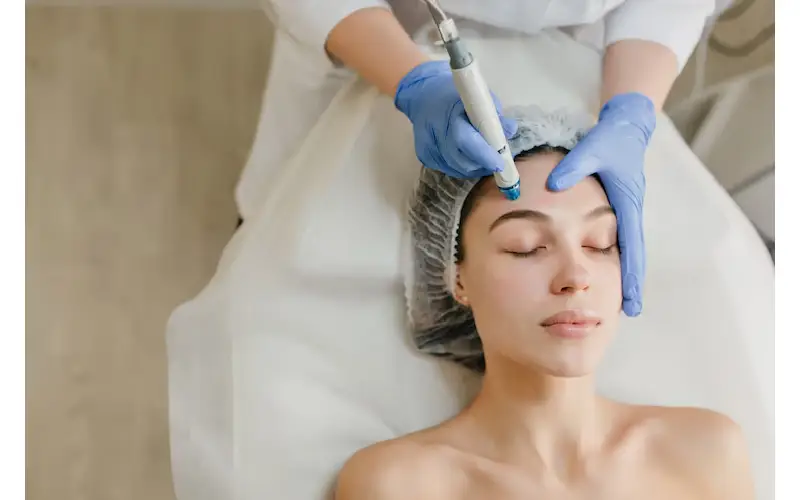
Melasma laser treatment involves using targeted laser technology to break down excess melanin deposits in the skin. The laser emits precise wavelengths of light absorbed by the pigment, fragmenting it into smaller particles. The body’s natural processes then remove these pigment fragments, leading to a clearer and more even complexion.
Several types of lasers can be used for melasma, including:
- Q-switched Nd:YAG laser: Popular for its ability to target pigmentation without damaging surrounding skin.
- Fractional lasers: Stimulate collagen production while improving pigmentation.
- Picosecond lasers: Deliver ultra-short pulses to break pigment effectively with minimal heat damage.
Each laser type has specific advantages, and dermatologists choose based on skin type, severity of melasma, and patient needs.
Why Melasma Laser Treatment Is Preferred?
Precision and Effectiveness
Laser treatment allows for high precision in targeting only the pigmented areas without harming healthy skin. This precision reduces the risk of side effects such as scarring or hypopigmentation, which can occur with more aggressive treatments.
Because lasers directly disrupt melanin, results tend to be faster and more noticeable compared to topical creams that gradually fade pigmentation over weeks or months.
Minimal Downtime
Unlike invasive surgical procedures, melasma laser treatment generally involves minimal downtime. Most patients experience mild redness or swelling that subsides within a few hours to a couple of days, allowing them to return quickly to daily activities. This convenience makes it an attractive option for busy individuals.
Customized Treatment Plans
Laser treatments can be tailored to the patient’s unique skin tone and melasma severity. Dermatologists adjust laser settings such as wavelength, pulse duration, and energy levels to maximize efficacy and safety. Multiple sessions can be scheduled to gradually improve skin tone while minimizing risks.
Improved Skin Texture and Tone
In addition to reducing pigmentation, certain laser treatments promote collagen production, improving overall skin texture and firmness. This dual benefit can enhance facial aesthetics beyond just correcting melasma, providing a rejuvenated, youthful glow.
Suitable for Various Skin Types
Advancements in laser technology have made melasma laser treatment safer and more effective for different skin types, including darker complexions which are more prone to pigmentation issues. Customized laser options minimize complications such as post-inflammatory hyperpigmentation, which is a concern in darker skin tones.
The Melasma Laser Treatment Procedure: What To Expect
Consultation and Assessment
A thorough skin evaluation is crucial to determine if melasma laser treatment is appropriate. The dermatologist assesses the type and depth of pigmentation, skin type, and any contraindications such as active infections or photosensitivity.
Preparation
Patients may be advised to avoid sun exposure and discontinue certain skincare products before treatment to reduce sensitivity and optimize results.
Laser Session
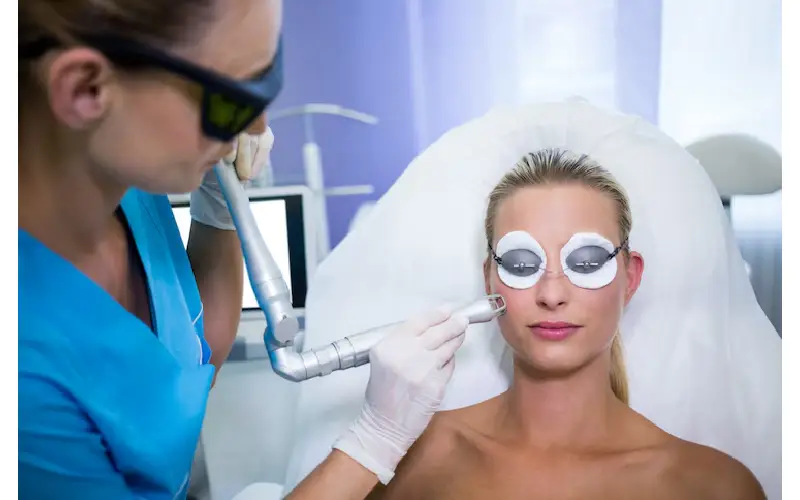
During the procedure, protective eyewear is worn. The laser device is moved across the affected skin areas. Sensations vary but may include mild warmth or tingling. The session duration depends on the treated area size but generally lasts between 20 to 45 minutes.
Post-Treatment Care
After treatment, the skin may appear slightly red or swollen, similar to a mild sunburn. Cooling gels and moisturizers can soothe the skin. Sunscreen application is critical to prevent recurrence or worsening pigmentation.
Risks And Considerations
While melasma laser treatment offers many benefits, there are some potential risks and considerations:
- Temporary redness and swelling: Usually mild and resolves quickly.
- Risk of hyperpigmentation or hypopigmentation: Particularly in darker skin tones if not properly managed.
- Need for multiple sessions: Melasma can be stubborn, requiring several treatments spaced weeks apart.
- Sun protection: Essential to maintain results and prevent relapse.
- Not suitable for all types of melasma: Some deeper or dermal melasma may respond less effectively.
Therefore, choosing an experienced dermatologist and following pre- and post-treatment instructions carefully are vital.
Complementary Treatments And Maintenance
Melasma management often involves a multi-pronged approach. Laser treatment works best when combined with:
- Topical agents: Hydroquinone, tretinoin, or azelaic acid can help maintain results.
- Sun protection: Daily use of broad-spectrum sunscreen with high SPF.
- Lifestyle modifications: Avoiding excessive sun exposure and hormonal triggers where possible.
Regular follow-ups ensure the skin remains even-toned and healthy.
Conclusion
For individuals struggling with uneven facial skin tone due to melasma, melasma laser treatment represents a highly effective and preferred solution. Its precision, safety, minimal downtime, and ability to improve skin texture make it a standout option compared to traditional therapies. While not a permanent cure, when combined with proper skin care and sun protection, laser treatment can significantly reduce pigmentation and boost confidence. Consulting a qualified dermatologist is essential to tailor the best treatment plan and achieve optimal results. If you are seeking a modern, scientifically backed approach to melasma, laser treatment could be your key to radiant, even-toned skin.

