
Modern art exhibitions have become a dynamic blend of creativity, technology, and innovation. As art continues to evolve, the tools used to display it have also undergone a transformation. Among the most impactful advancements in art presentation is the use of LED art lights. These lights not only illuminate but also enhance the experience of the viewer, shaping the way we interact with art. In this article, we will explore the essential role that LED art lights play in modern art exhibitions, from their technical advantages to their influence on the overall ambiance of the gallery.
Understanding LED Art Lights
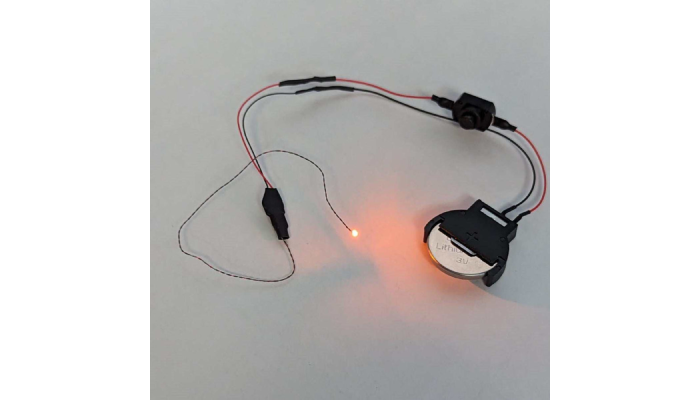
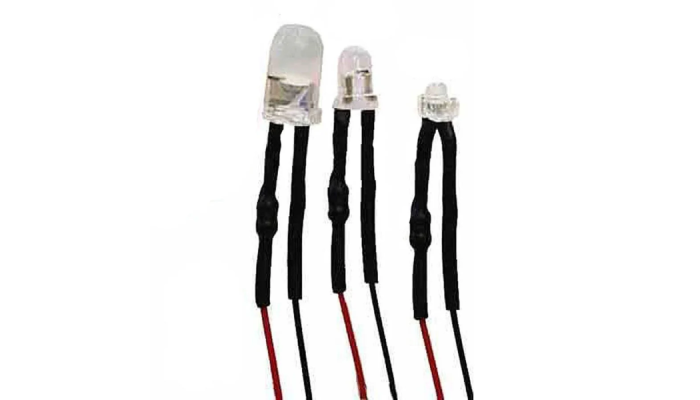
LED art light are a specific type of lighting designed to highlight and illuminate artworks, often tailored to the unique needs of art galleries and museums. These lights differ from traditional lighting solutions in several ways, but their key feature is the use of light-emitting diodes (LEDs), which offer several benefits over older incandescent or fluorescent lighting.
The LED art light is engineered to provide optimal illumination without damaging the artwork, offering precise color rendering and energy efficiency. They come in various forms, including track lighting, wall-mounted fixtures, and adjustable spotlights, each providing a customizable solution for different kinds of exhibitions.
The Advantages of LED Art Lights in Art Exhibitions
LED art lights bring several benefits to modern art exhibitions, making them an essential part of any gallery’s lighting system. Below are the most notable advantages:
Energy Efficiency and Cost-Effectiveness
LED lights are known for their energy efficiency, consuming significantly less power than traditional lighting options. This is especially important in large art galleries or museums, where numerous lights are needed to illuminate various artworks. The reduced energy consumption not only saves money but also makes these lighting systems more sustainable.
Long Lifespan and Durability
Another key advantage of LED art lights is their long lifespan. Unlike incandescent lights, which burn out after a short time, LED lights can last up to 50,000 hours or more. This durability reduces the frequency of bulb replacements, cutting down on maintenance costs and ensuring the longevity of the lighting system. Additionally, LEDs are more resistant to shock and vibrations, making them ideal for galleries where the lighting fixtures may be moved or adjusted frequently.
Customizable Light Temperature and Color Rendering
One of the most significant factors in art exhibitions is the ability to render colors accurately. LED lights excel in this area, as they can provide a high color rendering index (CRI), meaning they closely mimic natural daylight and enhance the true colors of the artwork. This is crucial in exhibitions where precise color accuracy is important for the artist’s vision.
Moreover, LED lights offer the flexibility to adjust the color temperature, ranging from warm to cool light. This enables curators to set the desired mood or ambiance for the exhibition. Whether a warm, soft glow is needed for classical art or a bright, stark white light for contemporary works, LED art lights can cater to all needs.
Preserving the Integrity of Artwork
Art preservation is a fundamental concern for any art gallery or museum. Exposure to light, particularly ultraviolet (UV) and infrared (IR) radiation, can cause irreversible damage to artworks over time. Traditional lighting sources, such as incandescent and halogen bulbs, emit significant UV and IR radiation, which can cause fading, discoloration, and even deterioration of delicate materials such as fabrics, pigments, and paper.
LED lights, on the other hand, emit little to no UV or IR radiation, making them a safer option for illuminating artworks. By using LED art lights, galleries and museums can showcase art without risking damage from harmful light exposure, ensuring the pieces remain in pristine condition for years to come.
Enhancing the Viewer’s Experience
The role of lighting extends beyond simply illuminating the artwork – it also plays a key role in shaping the viewer’s experience. In modern art exhibitions, where the environment is often designed to provoke thought and emotion, lighting can significantly influence the perception of the artwork.
LED art lights can be used to create dramatic contrasts, highlight specific details, or direct the viewer’s attention to particular parts of an artwork. For instance, spotlights can be used to focus attention on a sculpture or painting, while softer, diffused lighting can create an inviting and relaxed atmosphere for a gallery.
In addition to their technical capabilities, LED lights can also contribute to the aesthetic appeal of the exhibition space. With sleek and minimalistic designs, LED fixtures blend seamlessly into the gallery environment, drawing attention to the art itself rather than the lighting equipment.
Flexible and Adaptable Lighting Solutions
Modern art exhibitions are often dynamic and ever-changing, with exhibits rotating frequently or being curated in different ways. LED art lights provide the flexibility and adaptability required for such changing environments.
Whether it’s a temporary exhibition with varying layouts or a gallery with multiple rooms featuring different types of art, LED lights can be easily adjusted, repositioned, and reprogrammed. Many LED fixtures come with smart technology, allowing curators to control brightness levels, color temperatures, and even the light’s direction remotely. This ability to adjust lighting at the touch of a button makes LED art lights a practical solution for curators who need to adapt the lighting for various types of artwork and exhibitions.
Environmental Benefits
In today’s world, sustainability is a growing concern, and art institutions are increasingly looking for ways to reduce their environmental footprint. As mentioned, LED art lights are energy-efficient, but their environmental benefits extend beyond just saving power.
LEDs contain no hazardous materials, such as mercury, which is present in fluorescent lighting. This makes them easier to recycle and safer to dispose of, which contributes to a more sustainable approach to lighting in art exhibitions. Furthermore, because LEDs are durable and long-lasting, fewer lights need to be replaced, resulting in less waste and fewer resources being consumed.
Practical Considerations for Implementing LED Art Lights
While the benefits of LED art lights are clear, there are a few practical considerations that curators and gallery owners should keep in mind when implementing them in their exhibitions.
Choosing the Right Fixtures
The type of LED art light chosen will depend on the specific needs of the exhibition. For example, track lighting may be ideal for general lighting, while adjustable spotlights can highlight key pieces in a display. The flexibility of LED lights allows for different types of fixtures to be used in combination to create the best effect.
Placement and Angle
Proper placement and angle of the lights are essential for achieving the desired lighting effect. LED lights should be positioned in such a way that they enhance the artwork without casting unwanted shadows or glare. It’s important to take into account the size and shape of the artwork when planning the lighting layout.
Budget and Cost
While the initial investment in LED art lights may be higher than traditional lighting options, the long-term savings in energy, maintenance, and replacement costs make them a more cost-effective solution in the long run.
Conclusion
LED art lights have revolutionized the way we experience and appreciate modern art exhibitions. Their energy efficiency, long lifespan, and ability to enhance color accuracy and detail make them the ideal lighting solution for galleries and museums. With the added benefits of preserving the integrity of the artwork, offering flexibility in exhibition design, and contributing to sustainability efforts, it’s no surprise that LED art lights have become a standard in modern art presentations.
For anyone involved in curating or organizing art exhibitions, embracing LED art lights is not only a practical decision but a necessary one in creating a memorable, immersive experience for the audience while ensuring the preservation of the artwork for future generations.

