
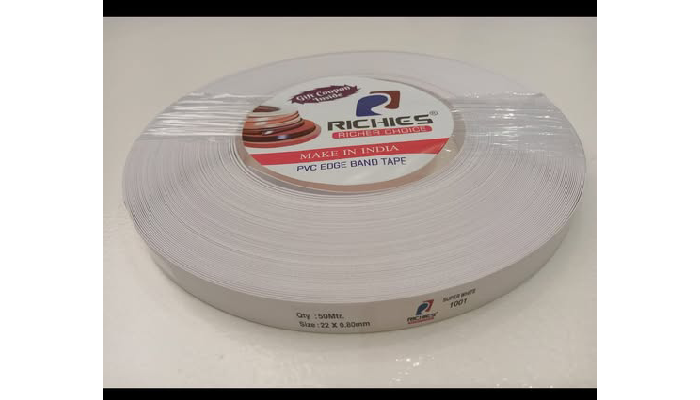
Edge banding tape plays a crucial role in enhancing the aesthetics and functionality of various furniture pieces, from cabinets to shelves. As a material designed to cover the raw edges of wood, MDF, or particleboard, it provides both a polished finish and protection against moisture, dirt, and wear. However, maintaining and cleaning edge banding tape is essential for ensuring that it remains effective and visually appealing over time. In this article, we will explore the importance of properly maintaining edge banding tape and provide useful tips on how to clean it for long-lasting results.
Why Proper Maintenance Of Edge Banding Tape Matters?
Edge banding tape is more than just a decorative element—it’s a protective feature for furniture surfaces. Over time, if not properly maintained, edge banding can wear out or peel, affecting the overall durability and aesthetic of the piece. Regular cleaning and maintenance not only help in preserving the edge banding’s appearance but also prolong its lifespan.
Here are the key reasons why it is crucial to maintain edge banding tape properly:
- Prevent Damage: Without proper maintenance, edge banding can crack, peel, or become discolored. Regular cleaning helps prevent dirt and grime from causing long-term damage.
- Preserve Aesthetic Quality: Edge banding adds a neat and finished look to furniture. If it is not cleaned and maintained, it may lose its smooth appearance and detract from the overall design.
- Extend Durability: By keeping the edge banding clean and well-maintained, you can avoid issues such as adhesive failure, which might lead to the tape detaching from the surface.
- Protect from Environmental Factors: Edge banding protects the edges of furniture from moisture and other environmental factors. Over time, dust and debris can accumulate, which could weaken this protection. Cleaning helps restore the tape’s protective role.
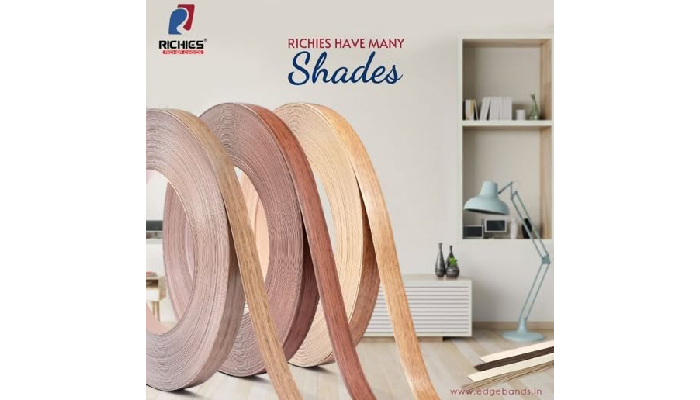
Types Of Edge Banding Tape
Before diving into the maintenance process, it’s important to understand the different types of edge banding tape. The material of the tape affects how you should clean and maintain it. Some common types include:
- PVC Edge Banding Tape: Durable, flexible, and available in a variety of colors and finishes, PVC is a popular choice for edge banding. It is relatively easy to maintain and can withstand moisture.
- Wood Veneer Edge Banding: This type provides a natural, elegant look and is often used on wooden furniture. It requires more care, as it is more susceptible to scratches and damage from moisture.
- ABS Edge Banding Tape: Similar to PVC, ABS is highly durable and resistant to impact, heat, and moisture. It’s typically easier to clean and maintain compared to wood veneer.
- Melamine Edge Banding Tape: Often used for particleboard, melamine offers a smooth finish and requires regular cleaning to keep its surface pristine.
Knowing the type of edge banding you are working with will help you tailor your cleaning approach and avoid damaging the material.
Cleaning Edge Banding Tape: A Step-By-Step Guide
Maintaining clean and well-kept edge banding is relatively simple if you follow the right steps. Below is a guide to help you clean and maintain your edge banding tape for optimal results.
1. Dusting And Removing Debris
The first step in cleaning edge banding tape is to remove any dust, dirt, or loose debris that may have accumulated on the surface. Use a soft, microfiber cloth or a gentle dusting brush to wipe the surface. Avoid using abrasive materials like steel wool, as these can scratch the edge banding.
- For PVC and ABS Edge Banding: Gently wipe with a microfiber cloth to remove surface dust.
- For Wood Veneer Edge Banding: Use a soft brush to avoid damaging the delicate veneer surface.
2. Washing The Surface
After removing the loose debris, you can wash the edge banding tape to remove more stubborn dirt and stains. Use a mild detergent solution or a specialized cleaner designed for the material of the edge banding. Always test any cleaner on an inconspicuous area to ensure it doesn’t cause discoloration or damage.
- For PVC and ABS Edge Banding: Mix a small amount of mild dish soap with warm water. Dampen a cloth with the solution and gently wipe the tape. Be careful not to oversaturate the cloth.
- For Wood Veneer Edge Banding: Avoid soaking the tape in water, as moisture can cause the veneer to warp. Instead, use a dampened cloth with a very mild solution of water and dish soap. Immediately dry the tape with a dry, soft cloth to prevent moisture absorption.
3. Removing Stains And Marks
Sometimes, edge banding tape can accumulate stubborn stains or marks. For tougher stains, you can use a non-abrasive cleaner specifically designed for the material. Be sure to avoid harsh chemicals, as these can damage the finish.
- For PVC and ABS Edge Banding: You can use an all-purpose cleaner designed for plastic surfaces. Simply apply the cleaner with a cloth and wipe away the stain.
- For Wood Veneer Edge Banding: Use a wood-safe cleaner or polish designed for veneer. Apply it sparingly, and buff the surface gently to restore its natural shine.
4. Polishing For A Glossy Finish
After cleaning the edge banding, you may want to restore its original gloss or sheen. This is especially true for PVC, ABS, and melamine edge banding, which can lose their luster over time. Use a non-abrasive furniture polish or a silicone-free polish to maintain a glossy finish.
- For PVC and ABS: Apply a thin layer of polish using a microfiber cloth, and buff it gently to achieve a smooth, shiny finish.
- For Wood Veneer: Wood veneer should be polished with care. Choose a product designed for use on wood surfaces, and apply a thin layer to avoid over-polishing.
5. Regular Maintenance
Routine maintenance is key to prolonging the life of edge banding tape. Regularly dusting the surfaces and cleaning spills or stains immediately can prevent buildup and damage. Ensure that you avoid using any harsh chemicals, as these can break down adhesives or affect the finish.
- For PVC and ABS Edge Banding: Clean every 1-2 months, depending on exposure to dirt and moisture.
- For Wood Veneer: Clean more frequently to maintain the appearance, but be sure to follow the manufacturer’s recommendations for cleaning and polishing.
Tips For Prolonging The Life Of Edge Banding Tape
To ensure your edge banding tape lasts as long as possible, consider the following tips:
- Avoid Excessive Heat or Moisture: Both heat and moisture can weaken the adhesive or cause warping. Keep edge banding away from direct heat sources or overly humid environments.
- Handle with Care: When cleaning or handling furniture with edge banding, avoid excessive force or harsh scrubbing, as this can damage the tape’s surface.
- Store Properly: If you are storing furniture pieces with edge banding, ensure they are kept in a climate-controlled environment to avoid exposure to extreme conditions.
- Use Edge Banding Protectors: Consider using edge banding protectors or caps when moving furniture to prevent physical damage during transport.
Conclusion
Edge banding tape plays a vital role in protecting and enhancing the appearance of furniture. By properly maintaining and cleaning the tape, you can ensure that it remains effective and visually appealing for years to come. Regular cleaning with the appropriate methods and materials is crucial for preserving its appearance and functionality. With these tips and techniques, you’ll be able to enjoy long-lasting results from your edge banding tape and keep your furniture looking its best.

