
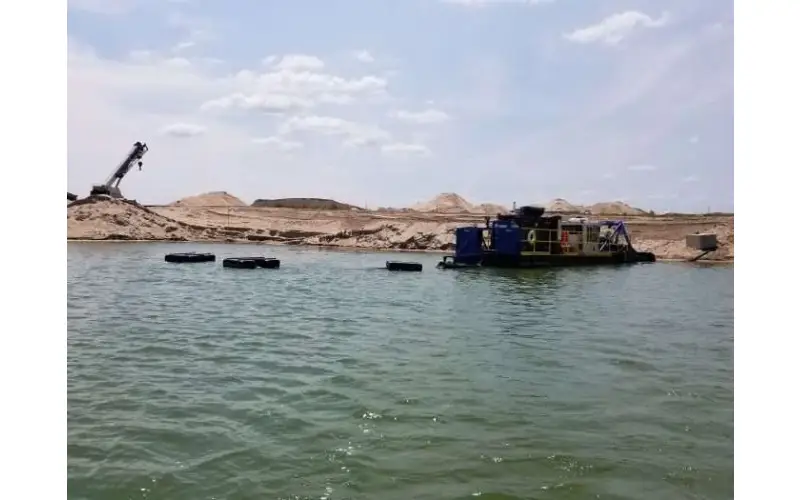
Sand dredging is a vital activity in many developing nations, offering significant economic and developmental benefits. By utilizing advanced sand dredge technologies, countries can harness natural resources to fuel growth, improve infrastructure, and create opportunities for economic prosperity. This article explores the positive economic impact of sand dredging in developing nations, detailing its various applications and benefits while addressing sustainable practices.
Understanding Sand Dredging And Its Importance
Sand dredging involves the extraction of sand and sediment from the bottom of rivers, lakes, oceans, or other water bodies using specialized equipment called sand dredge. This process is essential for maintaining navigable waterways, replenishing beaches, and providing construction materials. Developing nations, often characterized by rapid urbanization and infrastructure development, rely heavily on sand dredging to meet the growing demand for resources.
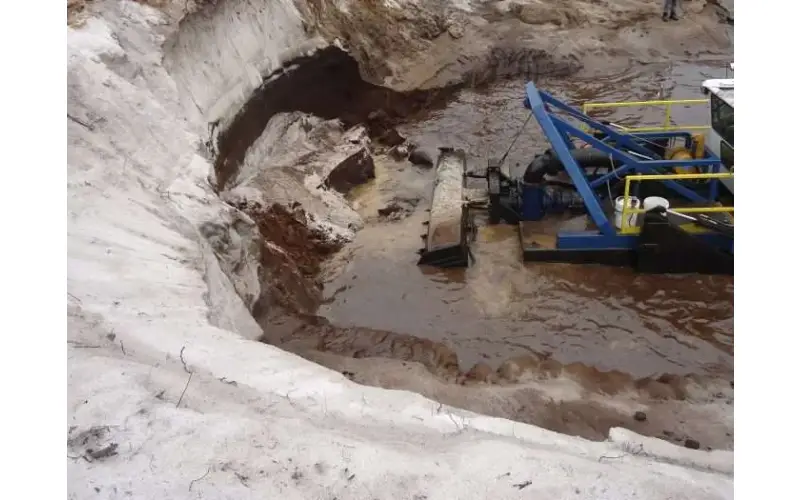
Key Benefits of Sand Dredging:
- Ensures uninterrupted waterway transport for trade.
- Provides essential raw materials for construction.
- Supports land reclamation projects for urban expansion.
- Mitigates flooding by deepening river channels.
Boosting The Construction Industry With Dredged Sand
One of the most significant economic contributions of sand dredging is its role in the construction sector. Sand dredges provide a steady supply of sand, which is a fundamental component in concrete production, road building, and other construction projects. In developing nations, where infrastructure is often inadequate, dredged sand plays a pivotal role in:
- Building affordable housing.
- Developing bridges, highways, and railroads.
- Constructing public facilities like schools and hospitals.
The availability of affordable and locally sourced sand reduces construction costs and accelerates urbanization, fostering economic growth.
Enhancing Trade And Transportation
Many developing nations depend on rivers and coastal waterways for trade and transportation. However, sediment buildup in these waterways can hinder navigation. Sand dredges are used to clear these sediments, ensuring smooth transport routes for goods and people.
Economic Advantages of Navigable Waterways:
- Facilitates export and import activities, boosting trade revenues.
- Reduces transportation costs compared to overland routes.
- Encourages tourism by improving access to coastal areas.
By maintaining navigable waterways, sand dredging supports the integration of developing nations into the global trade network, thereby enhancing their economic competitiveness.
Employment Generation And Skill Development
The sand dredging industry creates numerous employment opportunities, particularly in regions where alternative job options may be limited. Workers are employed across various stages of the dredging process, including:
- Operating dredging equipment.
- Transporting dredged materials.
- Supporting infrastructure projects that use dredged sand.
Additionally, the industry encourages skill development through training in equipment operation, safety protocols, and environmental management. This contributes to a more skilled workforce and higher income levels in local communities.
Supporting Land Reclamation And Urban Expansion
As populations in developing nations continue to grow, the demand for habitable land increases. Sand dredging facilitates land reclamation projects, allowing countries to expand urban areas and create new economic zones. For instance:
- Coastal cities reclaim land to build residential and commercial hubs.
- Industrial zones are established on reclaimed land, attracting investments and creating jobs.
These projects help alleviate overcrowding in urban areas while providing space for economic activities, boosting overall development.
Contribution To Flood Control And Disaster Mitigation
Uncontrolled flooding can have devastating economic consequences for developing nations. Sand dredging plays a crucial role in mitigating flood risks by:
- Deepening river channels to increase water flow capacity.
- Removing sediment that obstructs drainage systems.
- Reinforcing coastal barriers with dredged sand.
By reducing the frequency and severity of floods, sand dredging protects infrastructure, reduces recovery costs, and ensures the continuity of economic activities.
Promoting Sustainable Agriculture
In some regions, sand dredging indirectly benefits agriculture. For example, dredging helps improve water flow in irrigation channels, ensuring that farmers have access to adequate water supplies. Additionally, the removal of excess sediment can enhance soil quality in floodplains, boosting agricultural productivity. This improved agricultural output supports food security, increases rural incomes, and strengthens the overall economy.
Encouraging Foreign Investment
Developing nations that efficiently manage their natural resources, including sand, attract foreign investment. Investors are drawn to countries with robust infrastructure and a steady supply of construction materials. Sand dredges enable developing nations to meet these criteria by:
- Providing materials for large-scale development projects.
- Supporting the construction of modern transportation systems.
- Enhancing the appeal of industrial zones and ports.
This influx of investment further stimulates economic growth and creates opportunities for technological advancements.
Balancing Economic Growth With Environmental Sustainability
While sand dredging has undeniable economic benefits, it is essential to adopt sustainable practices to mitigate environmental impacts. Over-extraction of sand can lead to erosion, habitat destruction, and water quality issues. Developing nations must implement regulations and best practices to ensure that sand dredges operate responsibly.
Strategies for Sustainable Sand Dredging:
- Conducting environmental impact assessments before dredging projects.
- Limiting extraction to designated areas.
- Replenishing dredged areas through natural or artificial means.
- Investing in eco-friendly dredging technologies.
By balancing economic and environmental considerations, countries can maximize the benefits of sand dredging while preserving their ecosystems.
Successful Sand Dredging Projects In Developing Nations
Several developing nations have successfully leveraged sand dredging to drive economic growth. Examples include:
- Nigeria: Sand dredging has supported large-scale construction projects, including residential developments and transportation networks.
- Indonesia: Coastal sand dredging has facilitated land reclamation for urban expansion and tourism.
- Bangladesh: The dredging of rivers has improved navigability, boosting trade and reducing flooding risks.
Conclusion
The economic impact of sand dredging in developing nations is both profound and multifaceted. By supplying essential materials, improving infrastructure, creating jobs, and attracting investment, sand dredges play a pivotal role in driving growth and development. However, it is crucial to adopt sustainable practices to ensure that the benefits of sand dredging are long-lasting. As developing nations continue to urbanize and modernize, the strategic and responsible use of sand dredging will remain a cornerstone of their economic progress.

